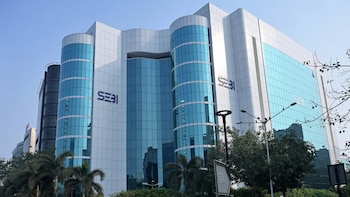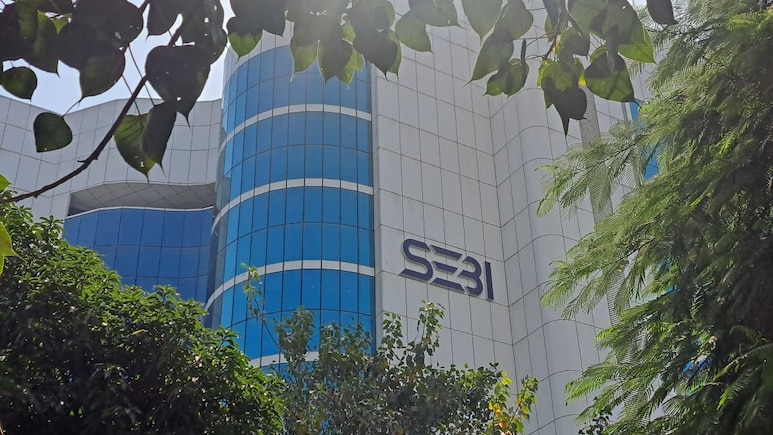
Companies and leading investment banks have written to the Securities and Exchange Board of India seeking changes to the pricing methodology for qualified institutional placements, flagging it as a major bottleneck for fundraising in the current market environment, senior industry sources told NDTV Profit.
Under existing SEBI rules, the floor price for QIPs and preferential issues is calculated based on the higher of the average closing price over the preceding two weeks or 26 weeks. Market participants say this historical averaging method is increasingly disconnected from real-time market prices after the sharp correction in equities over recent months.
ALSO READ: India Pitches Stability, Scale To Global Capital: SEBI Chief Tuhin Kanta Pandey
Also Read | Layoffs Are Rising In Tech, But These Skills Are Helping People Unlock Better Pay
The 26-week average continues to remain elevated despite current market prices trading significantly lower. This has resulted in floor prices well above prevailing levels, making it difficult for issuers to attract institutional investors unwilling to subscribe at a premium in a falling market.
"Valuations are simply not clearing," said a senior industry source, who requested anonymity. "When your floor price is materially higher than market, investors just walk away. QIPs, which were among India's most efficient fundraising routes, are turning unviable and becoming a serious capital-raising bottleneck for companies."
The rigidity is already showing up in deal activity. Several proposed QIPs have been delayed, resized, or shelved altogether over concerns that pricing constraints could lead to poor demand or failed issues, bankers said.
Data from Prime Database highlights the slowdown. In 2026 so far, only four QIPs have been completed, with an average issue size of Rs 1,091 crore. This compares with 20 QIPs in the first half of 2025, averaging Rs 1,475 crore, and 16 QIPs in the July to December 2025 period that averaged a much higher Rs 2,697 crore.
ALSO READ: Rs 15 To Rs 10,887: SEBI Acts Against 39 Entities Over RRP Semiconductor Stock Spike
Among key demands being discussed is a reduction in the look-back period from 26 weeks to around eight to 10 weeks, along with a higher weightage for recent prices. There are also calls to relax the "higher-of" rule during periods of sustained market weakness to allow greater flexibility.
While no formal consultation has been initiated yet, bankers and issuers say the issue is gaining traction within market circles as companies look for viable ways to raise growth capital without excessive dilution.
Essential Business Intelligence, Sharp Market Insights, Practical Personal Finance Advice, Daily Fuel, Gold and Silver Prices and Latest Stories — On NDTV Profit.