- Indian cinema has long featured successful women-led films since the 1950s, challenging male-centric norms
- Mother India (1957) was a pioneering female-led blockbuster, earning Rs 8-9 crore globally
- Recent hits like The Dirty Picture and Kahaani proved women-led films thrive in diverse genres
For decades, Indian cinema largely revolved around male superstars, with the belief that a film needed a male hero to ensure strong box-office success. However, the history of the industry shows a different reality. Since the 1950s, several films led by powerful female characters have connected strongly with audiences while also delivering impressive box-office results.
Across Hindi, Tamil, Telugu and other regional industries, women-led films have repeatedly challenged the industry's commercial assumptions. Though many of these projects were once seen as risky, their success proved that compelling stories centred on women can attract audiences in both urban centres and smaller towns alike.
Over time, these films have generated billions in box-office revenue and significantly expanded the commercial scope of Indian cinema.
Also Read | Layoffs Are Rising In Tech, But These Skills Are Helping People Unlock Better Pay
READ ALSO: Women's Day Special: Biopics Of Real Indian Women That Redefined The Box Office
The First Blockbuster: Mother India (1957)
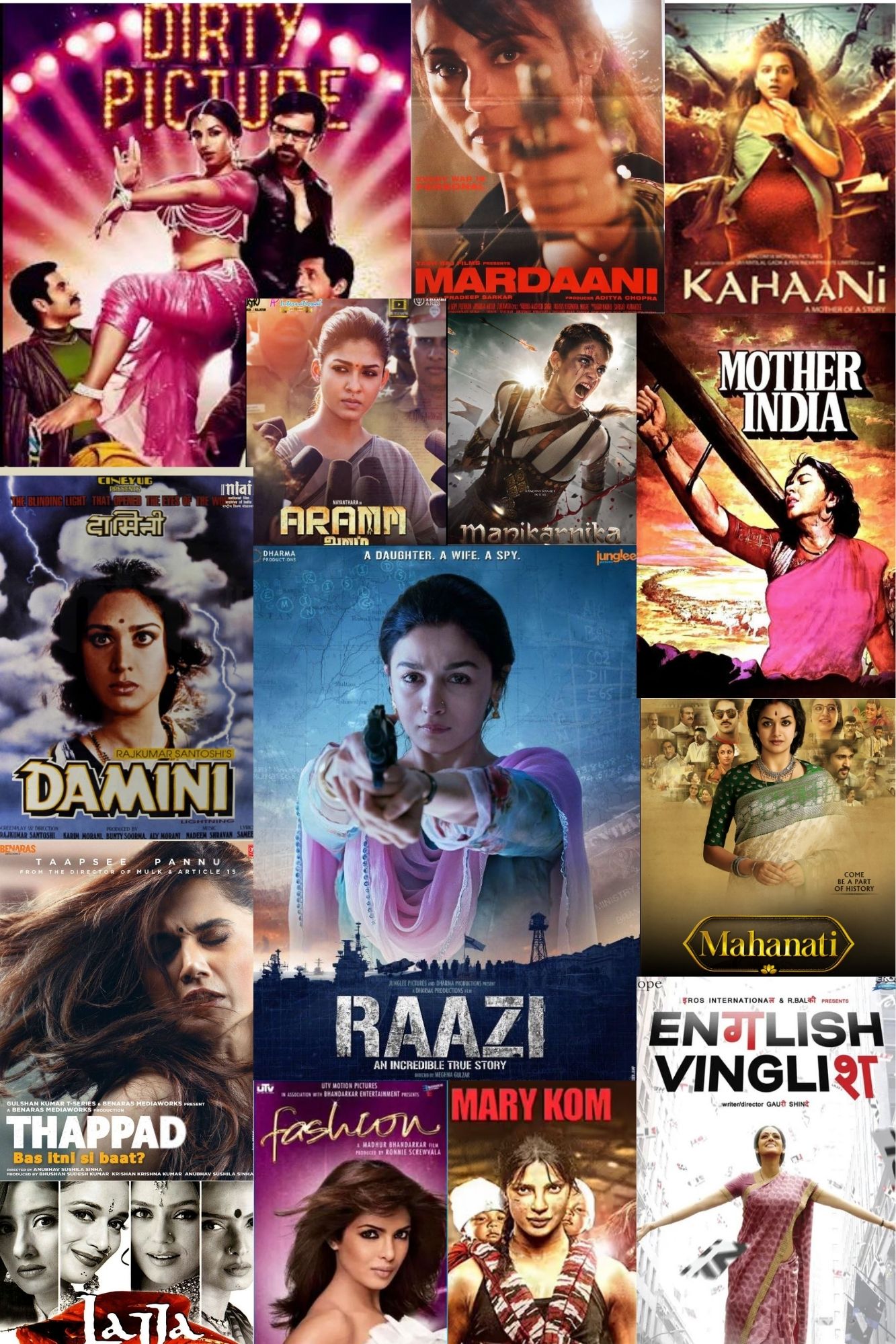
One of the earliest and most influential women-led blockbusters in Indian cinema was Mother India, directed by Mehboob Khan and starring Nargis. It became one of the biggest hits of its era, earning approximately Rs 8–9 crore globally, an enormous figure for the 1950s. The film ran in theatres for months across India and became the first Indian film nominated for the Academy Award for Best Foreign Language Film. Its success demonstrated that a female protagonist could anchor a grand, emotionally powerful blockbuster.
Social Justice And Feminist Voices
In the early 1990s, Damini (1993), directed by Rajkumar Santoshi and starring Meenakshi Seshadri, became a major commercial and cultural milestone. The courtroom drama reportedly earned Rs 6.10 crore, becoming a blockbuster and sparking national conversations about women's rights.
The early 2000s saw the emergence of more contemporary female-led stories.
An important film of the decade was Lajja (2001), directed by Rajkumar Santoshi and featuring a strong ensemble cast including Manisha Koirala, Madhuri Dixit and Rekha. The film grossed approximately Rs 33 crore worldwide, performing particularly well in metropolitan markets.
The Rise Of The Modern Female Protagonist
Another significant success was The Dirty Picture (2011), starring Vidya Balan and inspired by the life of Silk Smitha. The film earned approximately Rs 117 crore worldwide, redefining the commercial potential of women-led cinema.
English Vinglish (2012), directed by Gauri Shinde and starring Sridevi, became a surprise commercial success, earning around Rs 84 crore worldwide, and resonated strongly with family audiences.
Women-led thrillers have also proven commercially viable.
In the same year, Kahaani (2012), directed by Sujoy Ghosh and starring Vidya Balan, became one of the most successful female-led thrillers in Indian cinema. The film grossed around Rs 79 crore globally, proving that women-led narratives could also succeed in the suspense genre.
Mardaani (2014), starring Rani Mukerji as a fearless police officer collected around Rs 59 crore worldwide, while its sequel Mardaani 2 (2019) earned approximately Rs 67 crore globally.
Biographical And Inspirational Stories
Several biographical films further expanded the reach of women-centric storytelling.
Mary Kom (2014), starring Priyanka Chopra, earned approximately Rs 91 crore worldwide. Similarly, Neerja (2016), starring Sonam Kapoor, grossed around Rs 120 crore globally and became one of the most celebrated female-led films of the decade.
Similarly, Manikarnika: The Queen of Jhansi (2019), starring Kangana Ranaut as the legendary freedom fighter Rani Lakshmibai, grossed around Rs 142 crore worldwide, becoming one of the biggest female-led historical dramas.
Alia Bhatt starrer Raazi (2018), directed by Meghna Gulzar, saw tremendous success. The film collected approximately Rs 195 crore worldwide, emerging as one of the highest-grossing female-led Hindi films.
Women-Led Stories In The Multiplex Era
Fashion (2008), directed by Madhur Bhandarkar and starring Priyanka Chopra, was a commercially successful film that earned about Rs 38.74 crore worldwide.
Queen (2014), starring Kangana Ranaut, became a sleeper blockbuster and earned approximately Rs 93 crore worldwide. Margarita with a Straw (2015), starring Kalki Koechlin, received international acclaim and performed strongly in niche urban markets.
Veere Di Wedding (2018), featuring Kareena Kapoor Khan, Sonam Kapoor, Swara Bhasker and Shikha Talsania, collected around Rs 139 crore worldwide, becoming one of the highest-grossing female ensemble films.
Another notable film was Thappad (2020), starring Taapsee Pannu. Though modest in box-office terms with around Rs 43 crore worldwide, the film generated strong critical discussion and sustained streaming viewership.
Regional Powerhouses
Regional industries have also contributed significantly to women-led commercial successes.
In Tamil cinema, films starring Nayanthara, such as Aramm (2017) and Kolamavu Kokila (2018) demonstrated the strong theatrical draw of female stars. Similarly, Telugu cinema saw major success with Mahanati (2018), the biographical drama on legendary actress Savitri starring Keerthy Suresh, which grossed approximately Rs 83 crore worldwide.
A New Box-Office Reality
Together, these box office figures reflect a clear shift in audience preferences.
As women continue to lead across sectors such as business, politics, sports and technology, cinema too is evolving to reflect these changing realities. What was once considered a niche category has now grown into a strong and influential segment of the film industry.
More importantly, these successes show that audiences are ready for powerful stories led by women. In many ways, the rise of women-led films signals a new chapter for Indian cinema — one where compelling stories, not gender, define a blockbuster.
Essential Business Intelligence, Sharp Market Insights, Practical Personal Finance Advice, Daily Fuel, Gold and Silver Prices and Latest Stories — On NDTV Profit.