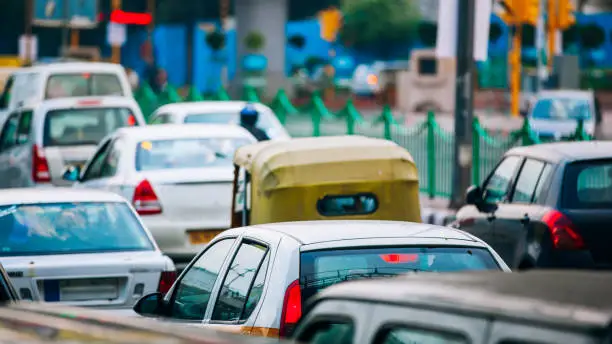
The latest revision in goods and services tax has brought cheer to India's automobile industry and millions of potential buyers. The move has opened the doors for a significant reduction in the prices of two-wheelers and small cars, potentially by more than 10%, creating a wave of optimism among buyers.
The GST on two-wheelers up to 350cc and small cars has been cut from 28% to 18%, while auto components, which form the bulk of inputs for vehicles, have also been reduced to 18% from the earlier 28%. Keeping the benefits and customers in mind, the auto industry has decided to pass on the benefit to the customers by cutting the prices on their cars and two-wheelers.

-
 Indian Markets Turning Corner After Two Tough Years, Says Sandeep Tandon
-
 NDTV Profit Ignite 2026: Experts See Opportunity In Equities, Stay Bullish For Long-Term
-
 Buy Right, Sit Tight Does Not Work for Individual Stocks, Says Dinshaw Irani
-
 'Worst Is Behind': Quant MF Sees Market Bottom, Flags 'Extreme Euphoria' In Midcaps
-
 India's Mutual Fund Industry Could Become A $1 Trillion Opportunity, Say Fund Managers
-
 'Foreign Investors Are Baraatis': Raamdeo Agrawal's Take On LTCG Tax
-
 Stay Invested Through Market Cycles: Raamdeo Agrawal at NDTV Profit Ignite
-
 Ramesh Damani Remains Bullish On India For Next 20-30 Years, Sees Bargains Amid Market Weakness
-
 CAS Came After A Long Consultation Process: SEBI Chairman Tuhin Kanta Pandey AT NDTV PROFIT IGNITE
-
 Aim To Cut FPI Onboarding Time From Mth To Five Days: SEBI Chairman Tuhin Kanta Pandey AT NDTV PROFI
In addition, the dual reduction on both finished vehicles and components has created room for further price cuts, especially in the entry-level and commuter segment.
Also Read | Layoffs Are Rising In Tech, But These Skills Are Helping People Unlock Better Pay
"Making vehicles more affordable, particularly in the entry-level segment, will significantly benefit first-time buyers and middle-income families, enabling broader access to personal mobility," said Society of Indian Automobile Manufacturers President Shailesh Chandra while addressing the annual convention of the auto industry on Thursday.
For two-wheelers, which remain the most common mode of transport across India, particularly in rural and semi-urban regions, this move is expected to be transformative. Lower prices will make bikes more accessible for youth, students, and professionals, while also benefiting farmers, small traders, and daily-wage earners who rely heavily on motorcycles for mobility.
Similarly, the small-car segment, which dominates sales in tier-2 and tier-3 towns, is set to gain momentum as affordability improves. Cars in this category will now be cheaper, encouraging first-time buyers and expanding household mobility. The reduction is likely to stimulate sales in smaller cities, boosting demand across dealerships, service networks, and financing institutions.
Essential Business Intelligence, Sharp Market Insights, Practical Personal Finance Advice, Daily Fuel, Gold and Silver Prices and Latest Stories — On NDTV Profit.