- India and China resumed border trade through Nathu La Pass after a six-year suspension in 2026
- The trade corridor was closed in 2020 due to COVID-19 and border tensions
- Nathu La links Sherathang Trade Mart in India with Rinchengang in Tibet for approved goods
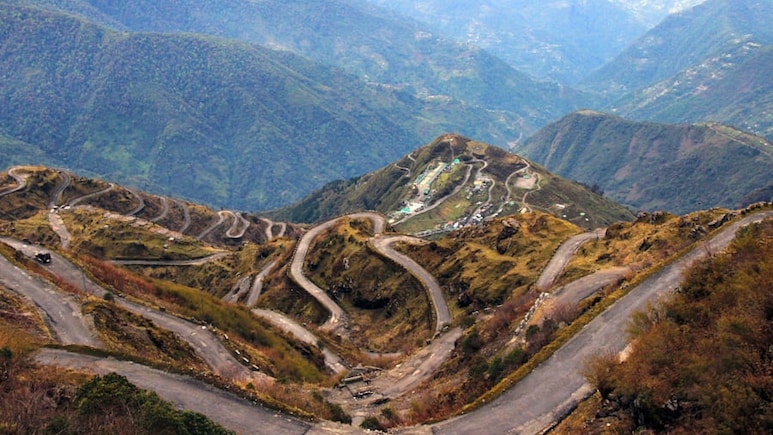
India and China have resumed border trade through the historic Nathu La Pass in East Sikkim, reopening an important branch of the ancient Silk Route after a six-year suspension. The trade corridor became operational again on August 1, 2026, following a halt in 2020 due to the COVID-19 pandemic and rising tensions along the border.
The reopening is being seen as a significant confidence-building measure between the two countries as they work towards stabilising bilateral ties. The move follows a series of diplomatic engagements, including recent high-level discussions aimed at restoring limited economic and cultural exchanges, reported NDTV.
ALSO READ: Q1 Results Live Updates: Divi's Labs, Muthoot Finance, CDSL Earnings In Focus
Also Read | Layoffs Are Rising In Tech, But These Skills Are Helping People Unlock Better Pay
Trade through Nathu La was first reopened on July 6, 2006, after remaining closed for more than four decades following the 1962 India-China war. The corridor connects India's Sherathang Trade Mart in East Sikkim with China's Rinchengang trade mart in Tibet, allowing registered traders to exchange approved locally produced goods under existing bilateral agreements.
The seasonal trade window generally operates for around six months, with activities conducted under strict regulations. Traders are allowed to operate from Monday to Thursday, with daily trade limits and a government-approved list of commodities. India has identified several items for export, including traditional products such as wool and yak tails, while approved consumer goods are imported from the Tibetan side.
Officials have approved only a limited number of trading passes so far, despite a seasonal cap that allows for up to 400 permits, according to NDTV.
The existing agreement allows India to export 36 goods, ranging from agricultural tools, processed foods, and spices to handloom textiles, garments, utensils, and traditional religious items.
After suffering damage from harsh Himalayan winters and a prolonged shutdown, the infrastructure at the Nathu La Integrated Check Post has been restored and put back into service.
ALSO READ: India At Commonwealth Games 2026 Today: Full Schedule, Timings And Medal Events For August 1
The move follows other confidence-building initiatives, including the resumption of the Kailash Mansarovar Yatra through the Nathu La route, reflecting efforts to gradually rebuild cross-border cooperation.
Essential Business Intelligence, Sharp Market Insights, Practical Personal Finance Advice, Daily Fuel, Gold and Silver Prices and Latest Stories — On NDTV Profit.