Sri Lanka Proposes Return to Higher Tax Rates to Win IMF Loan
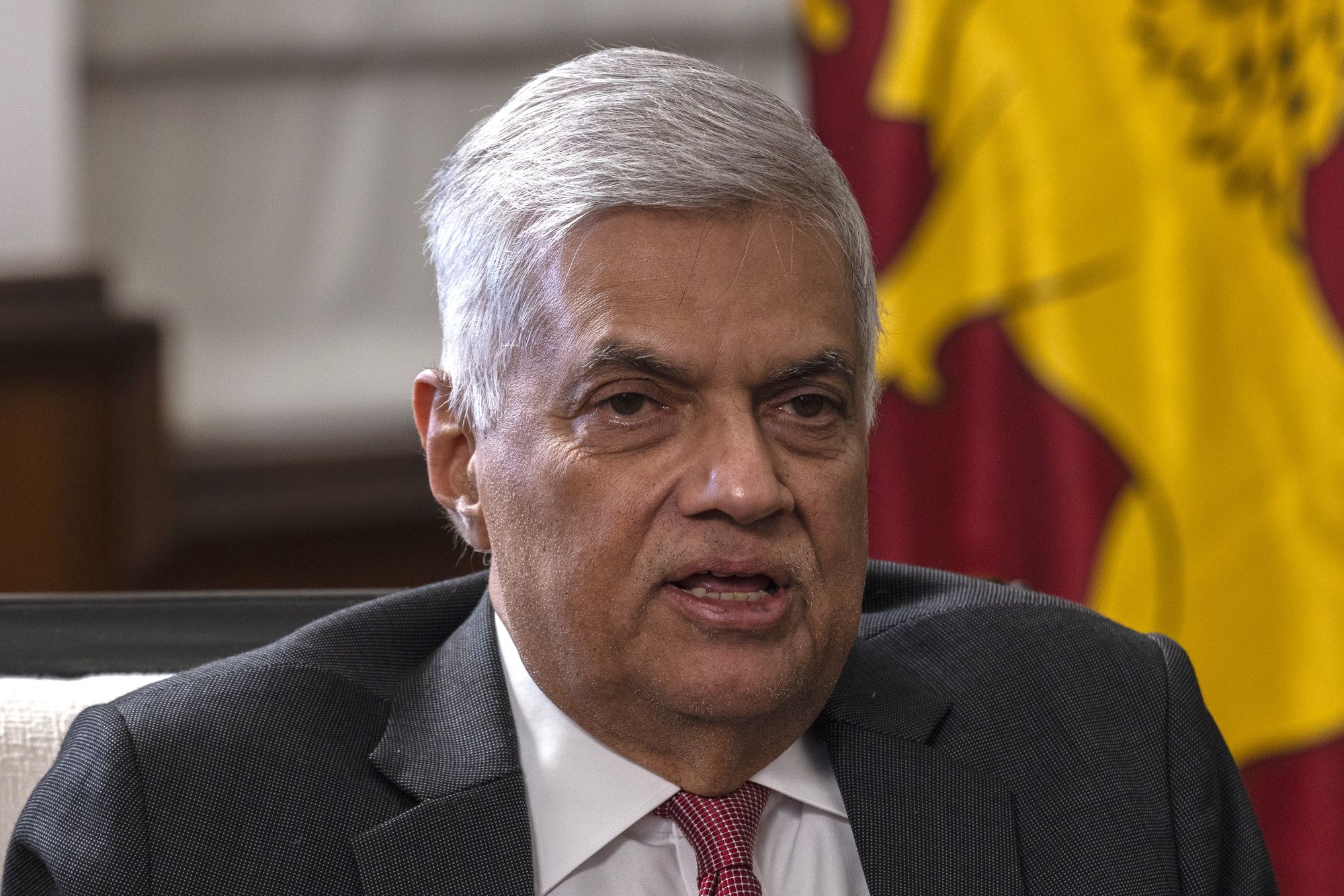
(Bloomberg) -- Sri Lanka's new Prime Minister Ranil Wickremesinghe proposed to raise tax rates to help meet conditions for a bailout from the International Monetary Fund.
The value added tax would rise to 12% from 8%, telecom levy to 15% from 11.25%, and standard corporate tax to 30% from 24%, Wickremesinghe said in a statement Tuesday. The increases will be implemented “over the immediate and near term,” he added.
The government is trying to revert to tax rates that existed before President Gotabaya Rajapaksa slashed them in a failed bid to stimulate the economy, before the pandemic disrupted global travel and sapped the island nation of tourism revenue.
“These reforms are now being looked as policies that led to a significant loss of government revenue,” Wickremesinghe said.

“This fiscal imbalance has significant adverse spillover effects over the economy,” he added. “Sri Lanka's economic outlook remains vulnerable.”
A Powerful Dynasty Bankrupted Sri Lanka in Just 30 Months
The bankrupt country must now raise revenues and slash expenditure to win a loan from the IMF. The multilateral lender wants a primary deficit of 2% of gross domestic product by 2025 but Sri Lanka will probably only break even or post a 1% surplus at best, Wickremesinghe had said previously.
Sri Lanka had introduced a low tax regime shortly after Rajapaksa was elected in 2019, leading to annual revenue losses of as much as 800 billion rupees ($2.2 billion), Wickremesinghe said on Tuesday.
Data earlier Tuesday showed inflation accelerated more than expected toward 40%. Citizens are suffering shortages of food, fuel and medicines as the nation has run out of dollars to pay for imports.
It has frozen repayments on foreign debt and is moving toward talks with global bondholders.
(Updates with more quotes in fourth paragraph.)
More stories like this are available on bloomberg.com
©2022 Bloomberg L.P.

-
Talking Points This Week: Leadership Shock At Nvidia, Earnings Strength, And The Fog Over Hormuz

The Anthropic IPO pricing and first trading day, Nvidia's upcoming earnings, and any fresh signals from Iran will set the tone for the following week.
-
Signature Play: The Classic Cocktail Is Dead. Or Is It?
Classic cocktails are disappearing from India's cocktail menus. But they're still being ordered, taught to bartenders and borrowed from. So, who's really having the last drink?
-
A New Samvat Wishlist: Inclusive Prosperity And Human Development
India has strengthened its economic foundations through infrastructure, digital access and enterprise. Its next growth chapter must deepen productivity, create better livelihoods and widen participation in prosperity.
-
Love, Sex Aur Dhokha: The Audacious Plot To Spy On Jensen Huang
A Taipei dinner, a Singapore chip buyer and a suspected Chinese asset: inside the alleged spy operation that got close to NVIDIA's Jensen Huang.
-
Ten Things I Learnt This Samvat
Patience can be a trap. Cheap stocks can stay cheap. Leverage can wipe you out. What did Samvat 2082 teach us? Niraj Shah writes on 10 lessons from the year gone by.
-
Talking Points This Week: Tech Nerves, FII Buying, And A Faraway Banking Shock
The global markets are not shining this Diwali. The exception in the large markets is, India.
-
Midterm Rally Lasted A Day. The Hard Reality Of A Divided US May Last Two Years | Opinion
Between a contested AI boom, a debt ceiling that arrives in 2027 and a president with every incentive to act alone, the next two years may prove more volatile than the first day's rally suggests.
-
Blue Wave Will Derail the AI Trade but Won't Dismantle the AI Era | Unhedged Position
The Democrats' sweep of the US Congress will see politics collide with economic forces both over the long and short term.
-
It's Time To Take The GST Council's Bet On Trust Global
Payment records can prove India's services exports, and clear, proportionate rules can bring foreign digital sellers into the tax net.
-
Opinion | India at 38: From Innovation Overperformer to Innovation Powerhouse
India now has 453 VC-backed deep science startups, 18 of them late-stage, after 117 percent growth since 2020. Laurus Labs, at USD 9.3 billion, is the most valuable deep science company in any middle-income economy outside China.









