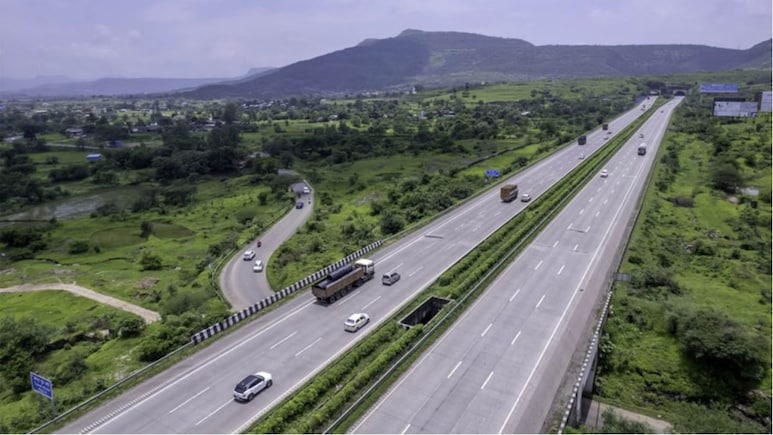
Driving at 144 kmph without receiving a speeding challan may sound surprising, but that is the possible implication of a recent statement by Union Road Transport and Highways Minister Nitin Gadkari.
Speaking at a Confederation of Indian Industry (CII) event on the future of India's highways, Gadkari said he had instructed authorities not to issue speeding notices for vehicles travelling at up to 120 kmph, with an additional 20% margin before penalties are imposed.

-
 Indian Markets Turning Corner After Two Tough Years, Says Sandeep Tandon
-
 NDTV Profit Ignite 2026: Experts See Opportunity In Equities, Stay Bullish For Long-Term
-
 Buy Right, Sit Tight Does Not Work for Individual Stocks, Says Dinshaw Irani
-
 'Worst Is Behind': Quant MF Sees Market Bottom, Flags 'Extreme Euphoria' In Midcaps
-
 India's Mutual Fund Industry Could Become A $1 Trillion Opportunity, Say Fund Managers
-
 'Foreign Investors Are Baraatis': Raamdeo Agrawal's Take On LTCG Tax
-
 Stay Invested Through Market Cycles: Raamdeo Agrawal at NDTV Profit Ignite
-
 Ramesh Damani Remains Bullish On India For Next 20-30 Years, Sees Bargains Amid Market Weakness
-
 CAS Came After A Long Consultation Process: SEBI Chairman Tuhin Kanta Pandey AT NDTV PROFIT IGNITE
-
 Aim To Cut FPI Onboarding Time From Mth To Five Days: SEBI Chairman Tuhin Kanta Pandey AT NDTV PROFI
However, the remarks should not be interpreted as an official increase in speed limits or a blanket exemption from speeding penalties across India.
Also Read | Layoffs Are Rising In Tech, But These Skills Are Helping People Unlock Better Pay
What Did Nitin Gadkari Say About Speeding Challans?
Gadkari's comments came amid concerns over automated speeding notices issued to motorists on expressways. He said authorities had been instructed not to send challans for vehicles travelling at speeds of up to 120 kmph, while allowing a further 20% margin before imposing penalties.
The minister's remarks suggest a more flexible approach to speed enforcement on expressways, where the permitted speed limit can reach 120 kmph. However, it remains unclear how these instructions will be implemented across different highways and enforcement systems.
ALSO READ | Maharashtra MLC Polls: BJP Blames Shiv Sena For Loss In 3 Seats, Alleges Alliance Principles Were Ignored
Does This Mean You Can Drive At 144 Kmph Without A Challan?
A 20% margin above 120 kmph works out to 24 kmph, taking the potential enforcement threshold to 144 kmph.
Under the approach outlined by Gadkari, motorists travelling at speeds up to 144 kmph on an expressway with a prescribed 120 kmph limit could potentially avoid automated speeding notices.
However, this does not mean the legal speed limit has been raised to 144 kmph. The distinction between the maximum permitted speed and the threshold at which penalties may be issued remains important.
Gadkari's statement also does not establish a uniform speed limit of 120 kmph across India's highways. Different roads and stretches may have lower prescribed limits, depending on their design, location and traffic conditions.
For instance, a 20% margin above a 100 kmph speed limit would mathematically translate to 120 kmph. However, there is no confirmation that such a margin will apply uniformly to roads with different speed limits.
Motorists should therefore continue to follow posted speed limits rather than assume that the additional margin is already applicable nationwide.
AI-Based Traffic Monitoring On Highways
Gadkari also sought industry support for implementing an AI-based Advanced Traffic Management System to strengthen highway surveillance and enforcement.
The proposed system is intended to improve traffic monitoring and help authorities detect violations, including those involving lane discipline.
The push for technology-driven enforcement comes as India expands its expressway network and increasingly relies on automated cameras and monitoring systems to identify traffic violations.
ALSO READ | Rs 1,000 An Hour For An Electrician? Top Investor Says India Is Just Two Years Away
However, the use of automated enforcement also raises questions about how any proposed tolerance margin would be incorporated into existing systems.
The minister's remarks indicate an intended approach to speeding penalties, but there has been no confirmation that all camera-based enforcement systems have been updated to reflect the additional margin.
Until the relevant rules and enforcement procedures are formally clarified, motorists should not assume that driving at 144 kmph will automatically be exempt from speeding penalties.
Essential Business Intelligence, Sharp Market Insights, Practical Personal Finance Advice, Daily Fuel, Gold and Silver Prices and Latest Stories — On NDTV Profit.