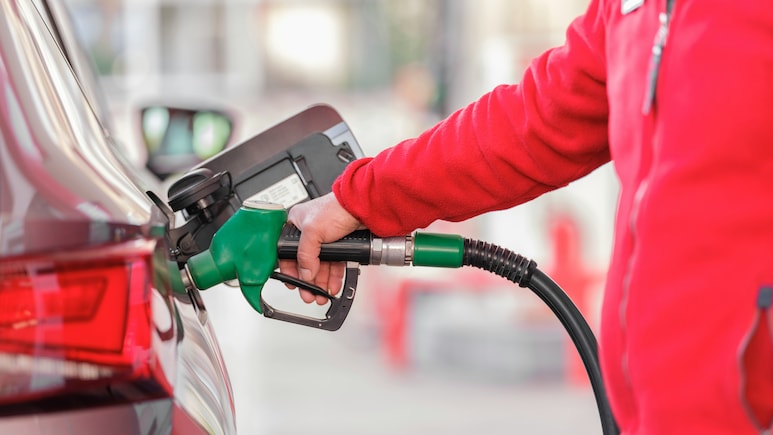
Nayara Energy, India's largest private fuel retailer, has raised petrol prices by Rs 5 per litre and diesel by Rs 3 with immediate effect, seeking to narrow the gap between retail prices and rising international oil and refined-product costs, people familiar with the matter said.
The latest increase comes amid renewed pressure on fuel retailers from higher global energy prices and follows a series of price adjustments by Nayara this year as refiners grapple with the impact of geopolitical disruptions on crude and product markets.
Nayara, which operates 7,108 petrol pumps across the country, raised petrol and diesel prices with effect from early hours of Saturday, sources said. An email sent to Nayara spokesperson for comments remained unanswered.
Also Read | Layoffs Are Rising In Tech, But These Skills Are Helping People Unlock Better Pay
Nayara was the first fuel retailer to pass on the surge in international oil prices to consumers when the Iran conflict disrupted energy supplies earlier this year. On March 26, it raised petrol prices by Rs 5 a litre and diesel by Rs 3, taking the rates at its outlets to Rs 100.71 and Rs 91.31 a litre, respectively, at the time.
State-owned fuel retailers subsequently began raising pump prices in May.
They increased petrol and diesel prices in a series of staggered moves, with the cumulative increase reaching about Rs 7.50 a litre each by late May. The fourth increase on May 25 was Rs 2.61 a litre for petrol and Rs 2.71 for diesel.
Nayara later reversed its March increase. On July 1, the company cut petrol prices by Rs 5 a litre and diesel by Rs 3, after international crude prices eased as tensions in West Asia subsided. The reduction was the first by a fuel retailer in more than two years and brought Nayara's pricing broadly back in line with state-owned retailers.
The latest hike, therefore, marks a renewed attempt by the private retailer to pass through higher costs after a period of relatively subdued retail prices.
State-owned oil marketing companies - Indian Oil Corporation, Bharat Petroleum Corporation and Hindustan Petroleum Corporation - control more than 90 per cent of the country's 1,04,137 fuel petrol pumps and have historically kept pump prices relatively stable even when international crude prices fluctuate.
The pricing gap has become increasingly consequential for fuel retailers.
On October 1, the government said private retailers should not cap petrol and diesel sales at their outlets, after Nayara and Jio-bp restricted volumes at some pumps amid losses on retail sales.
Officials said the gap between retail and bulk diesel prices had encouraged industrial consumers to buy cheaper fuel from retail outlets, putting pressure on supplies.
Jio-bp, the fuel retailing joint venture of Reliance Industries Ltd and bp of the UK, which operates 2,304 petrol pumps, has so far not revised petrol and diesel prices.
Rating agency Icra last month estimated that oil marketing companies were incurring negative marketing margins of around Rs 8 per litre on petrol and Rs 9 per litre on diesel in September, as retail prices remained unchanged despite a sharp rise in crude and petroleum-product prices.
Icra said OMCs were losing about Rs 530 crore a day across petrol, diesel and LPG, with elevated crude prices and unchanged domestic fuel prices putting pressure on their profitability and cash flows.
The agency had said that the combined refining and marketing operations of OMCs break even when crude prices are in the range of USD 85-90 a barrel; beyond that level, and without corresponding retail price increases, marketing losses are likely to emerge.
Nayara operates a 20 million-tonne-a-year refinery at Vadinar in Gujarat and has more than 7,000 fuel stations across the country.
The price increase could widen the pricing differential between private and state-owned fuel outlets in the near term. If sustained, higher retail fuel prices could feed into freight and operating costs, while a broader pass-through by oil companies would have implications for household inflation and fuel demand. At the same time, keeping pump prices below market-linked costs leaves refiners and fuel retailers carrying larger losses, creating pressure for further price adjustments.
(This story has not been edited by NDTV staff and is auto-generated from a syndicated feed.)
Essential Business Intelligence, Sharp Market Insights, Practical Personal Finance Advice, Daily Fuel, Gold and Silver Prices and Latest Stories — On NDTV Profit.