.jpg?downsize=773:435 "Justice JS Khehar Sworn In As The 44th Chief Justice Of India")
Chief Justice of India, Tirath Singh Thakur, retired on January 3, 2017, after a tenure marked by many run-ins with the government over the appointment of judges. In an April 2016 speech highlighting his concerns over court vacancies, Justice Thakur broke into tears in front of an audience that included Prime Minister Narendra Modi.
India's judiciary and the country's executive have been engaged in a very delicate tug of war over appointments ever since the apex court's ruling in October 2015 struck down the National Judicial Appointments Commission Act as unconstitutional. Justice Jagdish Singh Khehar – the man who headed the bench which struck down the NJAC – now steps in as the next Chief Justice of India.
After completing his Master's degree in law in 1979, Justice Khehar began his practice at the Punjab and Haryana High Court. Twenty years later, in 1999, he was elevated to the bench of the same high court. After two stints as acting Chief Justice there, he presided over the Uttarakhand High Court, and then the Karnataka High Court as Chief Justice. In 2011, Justice Khehar was elevated to the Supreme Court.
The NJAC Case
Justice Khehar's weighed in with his view on the appointment of judges in the NJAC judgement.
It is difficult to hold that the wisdom of appointment of judges can be shared with the political executive. In India, the organic development of civil society has not as yet sufficiently evolved. The expectation from the judiciary, to safeguard the rights of the citizens of this country, can only be ensured, by keeping it absolutely insulated and independent, from the other organs of governance.Justice JS Khehar in the NJAC case
The NJAC case also involved another tough question for Justice Khehar. During the hearing there were requests made for him to recuse from the case as some believed there existed some ground for a conflict of interest. At that point Justice Khehar explained his reasons for not doing so.
Recusal at the asking of a litigating party, unless justified, must never to be acceded to. For that would give the impression, of the Judge had been scared out of the case, just by the force of the objection. A Judge before he assumes his office, takes an oath to discharge his duties without fear or favour. He would breach his oath of office, if he accepts a prayer for recusal, unless justified.Justice JS Khehar in the NJAC case
PIL Before CJI Appointment
Justice Khehar's decision on recusing himself from the case became the subject of a PIL filed just days before President Pranab Mukherjee cleared his appointment as the next Chief Justice of India. This was later quashed by the Supreme Court on December 30. Filed by a group of lawyers, the petition sought super-session of Justice Khehar for his 'conflict of interest' in the NJAC case. The petition also called Justice Khehar , “very short tempered, very aggressive, and at times perceived to be tyrannical on the lawyers and litigants as His Lordship takes contempt for the slightest of mistakes that occur at the bar.”
The Sahara Case
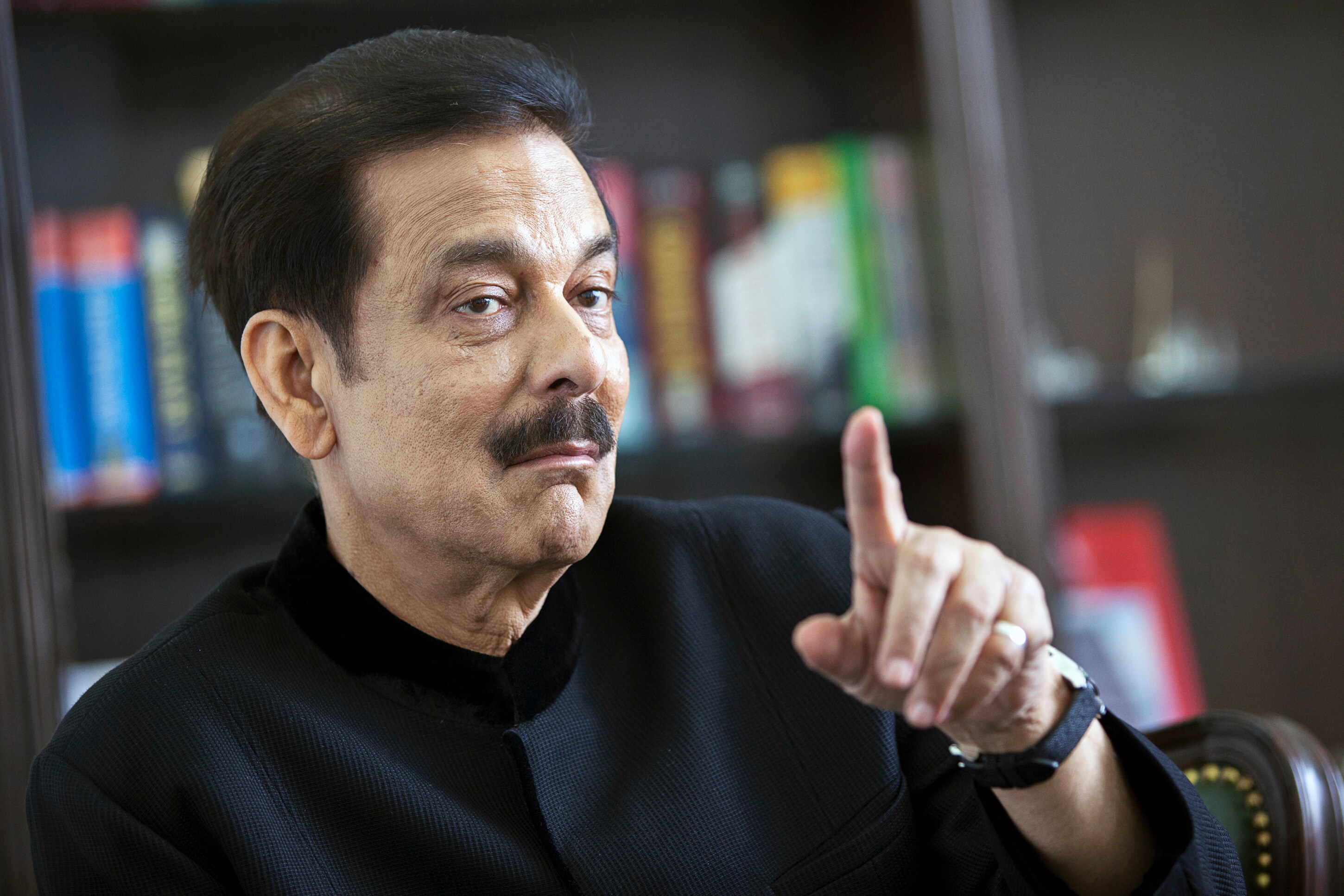
Justice Khehar was part of the bench that sent Sahara Group chief Subrata Roy to jail. The SEBI-Sahara case drew a lot of public attention, as the bench rejected many of Sahara's repayment proposals. Bail conditions were deemed unmet, and the court was open in its displeasure over the tactics applied by Sahara's legal team.
The bench said it was forced to use ''sequentially harsher means to persuade compliance of its order... after all the efforts to cajole the two companies and the petitioner were methodically circumvented.''
On the day of his retirement, Justice KS Radhakrishnan who was heading the Sahara case bench in the Supreme Court, spoke about the 'immense pressure' both judges had to face while hearing the case. Justice Khehar later recused himself from the hearing.
Fireworks Over Turf Limits
On November 26, 2016, Constitution Day ironically, differences of opinion between the judiciary and the executive surfaced again.
At an event organised by the Supreme Court and speaking from the stage where Justice Khehar was seated, Attorney General Mukul Rohatgi alluded to judicial over-reach and said, “Self-control and self-restraint are as important as policing… even the judiciary must remember it has a Laxman Rekha… If other two organs have it, it is not as if judiciary doesn't have one.”
Minutes after the AG spoke, Justice Khehar shot back in his speech reiterating his stand over the issue of judicial over-reach and the NJAC case. Justice Khehar had then said,
Be it the 39th Amendment to the Constitution (placing the office of PM beyond judicial scrutiny) or the latest Amendment that had the element of affecting independence of the judiciary (replacing the collegium with the NJAC), the Supreme Court has struck them down… It has upheld the constitutional ethos and its principles… that, if I may respectfully tell the Attorney General, is our Laxman Rekha.Justice JS Khehar
Supreme Court Bench Vacancies
The government defends its stance on the issue of appointments, and claims that it did not receive a single name for appointment to the Supreme Court at a time when there were seven vacancies.
When Justice Khehar takes charge, another seat at the top court in the country falls vacant. Chief Justice Thakur's retirement will take the number of vacancies to eight.
Also Read: Chief Justice TS Thakur Laments Lack Of Judges, Pendency In His Farewell Speech
Essential Business Intelligence, Sharp Market Insights, Practical Personal Finance Advice, Daily Fuel, Gold and Silver Prices and Latest Stories — On NDTV Profit.