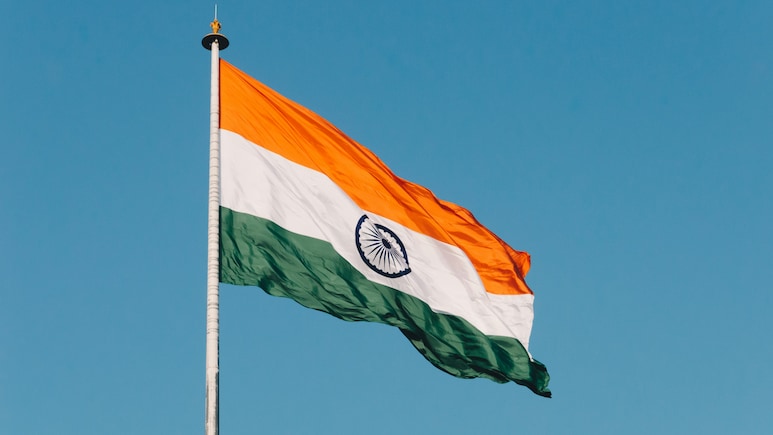
India is all set to celebrate its 80th Independence Day this year. Since August 15, 1947, the country has undergone a massive transformation: from analogue to digital technology, steam engines to modern trains, and petrol-powered cars to electric vehicles.
Among the many changes over the decades, one interesting comparison is how much everyday travel cost at the time of Independence compared with today.
In 1947, a long-distance first-class train ticket from Delhi to Mumbai cost roughly Rs 90 to Rs 140. Historical references put the fare at around Rs 123 to Rs 140, depending on the exact year, month and service. Shorter or lower-class inter-city journeys, meanwhile, could cost just a few rupees or even annas.
Also Read | Layoffs Are Rising In Tech, But These Skills Are Helping People Unlock Better Pay
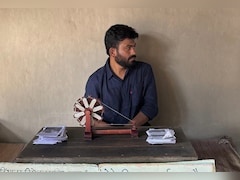
A railway ticket from the early days of Independence also went viral a few years ago. The ticket, issued on September 17, 1947, was for nine passengers travelling from Rawalpindi to Amritsar. The ticket, reportedly for an AC 3-coach service, cost Rs 36 and 9 annas in total.
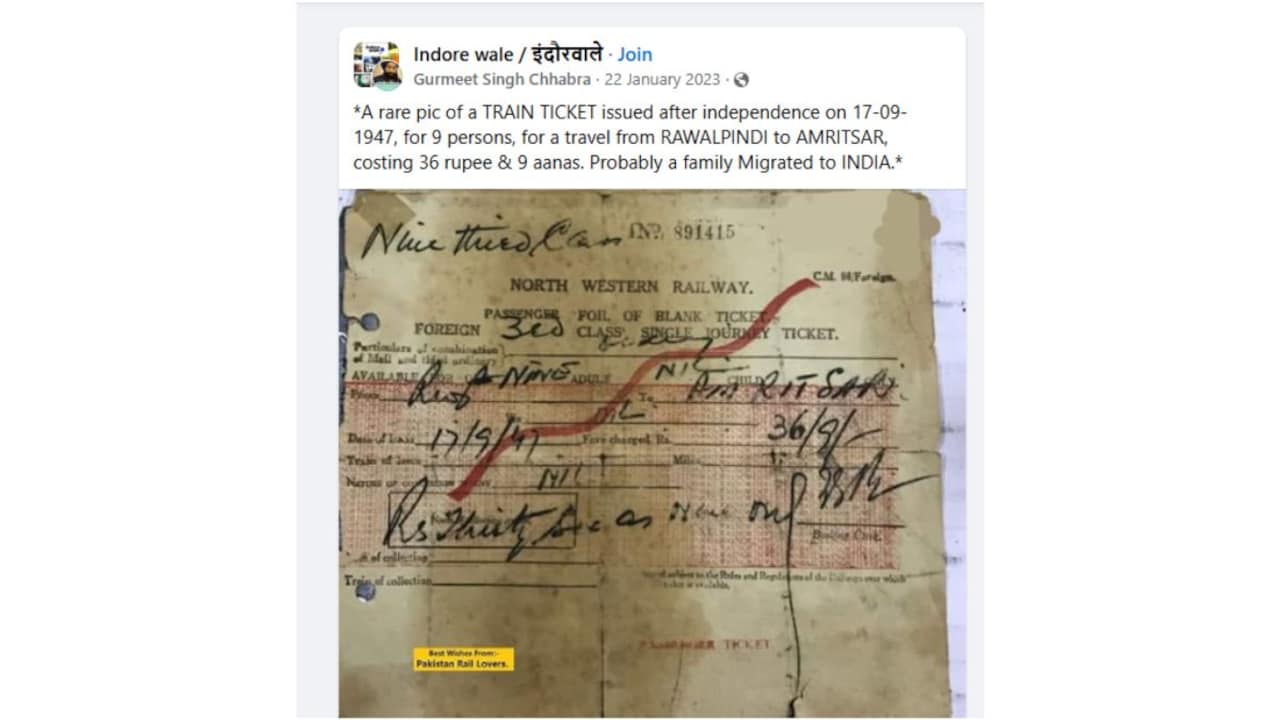
Photo Credit: Facebook
ALSO READ: Important Days in August 2026: Full List of National and International Events, Dates and Significance
What Does The Same Journey Cost In 2026?
Train fares between cities have increased significantly over the decades, although the cost varies depending on the class, train and type of service.
In 2026, a Delhi-Mumbai train ticket starts at around Rs 605 for a basic Sleeper Class ticket. AC 3 Tier fares start at approximately Rs 1,165, while AC 3 Tier Economy fares start at around Rs 1,525 on select trains. AC 2 Tier tickets begin at roughly Rs 2,320, while First AC fares can start at around Rs 3,890.
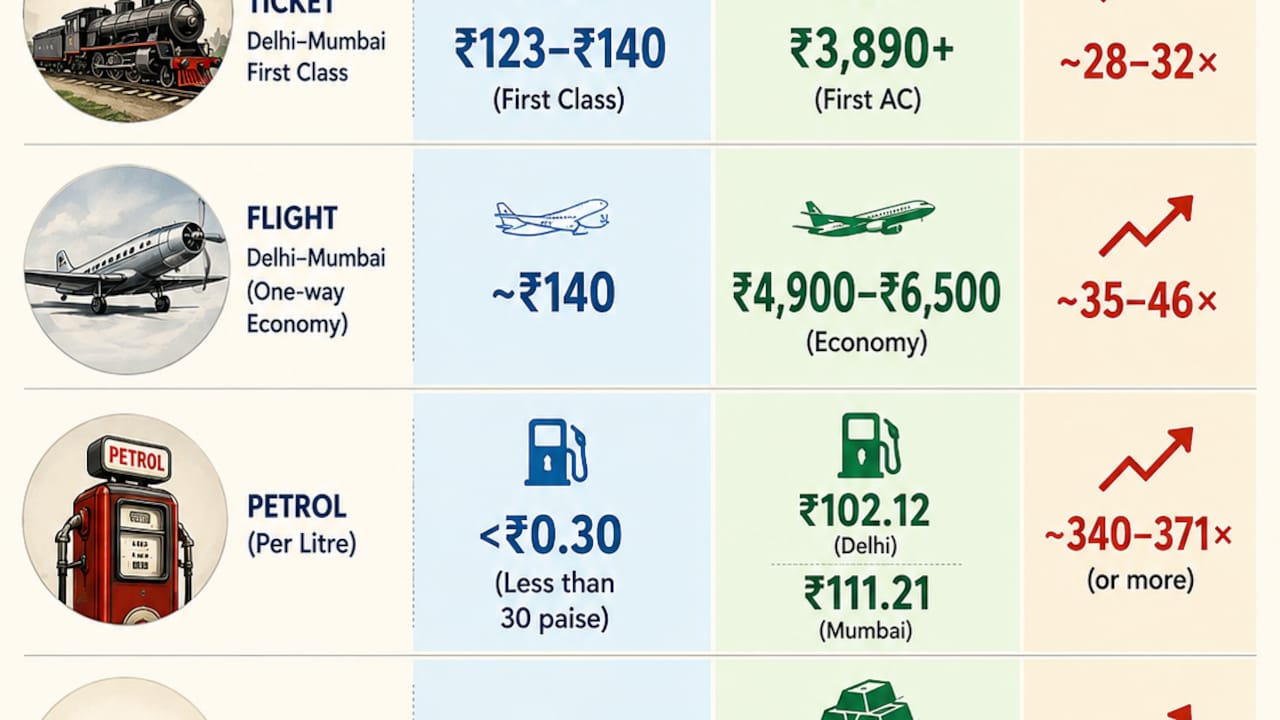
Photo Credit: ChatGPT
This means that a journey that cost roughly Rs 123 in first class around Independence can cost several thousand rupees today, depending on the class and train.
Meanwhile, a one-way economy flight from Delhi to Mumbai can typically cost around Rs 4,900 to Rs 6,500 when booked a few days in advance. Flights usually had less frequency and would cost around Rs 140 in 1947.
How Have Other Prices Changed SInce 1947?
Train fares were not the only prices to rise significantly after Independence. Similarly, petrol, which cost less than 30 paise per litre around Independence, is priced at Rs 102.12 per litre in New Delhi and Rs 111.21 per litre in Mumbai.
Gold has seen an even sharper rise. In 1947, 10 grams of gold cost around Rs 88.62, according to data from Indian Post Gold Coin Services. Meanwhile, 24 karat gold in New Delhi is reported at Rs 151,190/10 gm and Rs 151,450/10 gm in Mumbai, which means the price of 10 grams of gold was lower than the cost of a first-class Delhi-Mumbai train ticket at the time.
From steam locomotives and first-class rail journeys to modern trains with fares running into thousands of rupees, the evolution of India's transport system also reflects the country's broader economic transformation over the past eight decades.
ALSO READ: August 2026 Calendar: Complete List of Festivals, Vrat Dates, Ekadashi & Important Hindu Observances
Essential Business Intelligence, Sharp Market Insights, Practical Personal Finance Advice, Daily Fuel, Gold and Silver Prices and Latest Stories — On NDTV Profit.