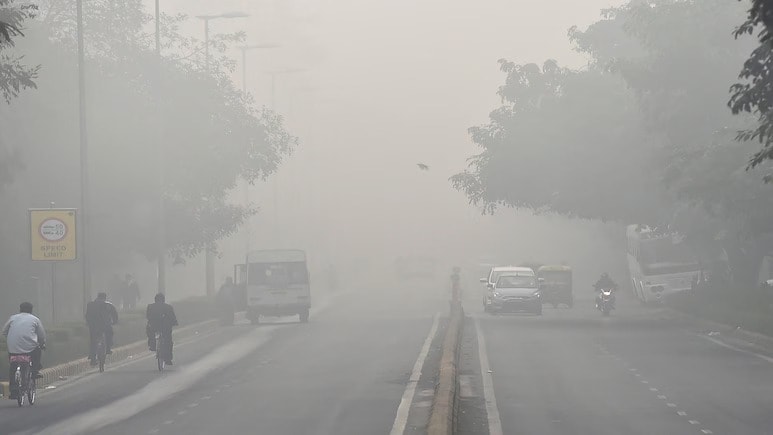
Three Indian metro cities, which include Kolkata, Mumbai and Delhi, featured among the world's 10 most polluted major cities, according to the IQAir World Air Quality Ranking.
Kolkata ranked second globally, with an AQI⁺ US reading of 165. Mumbai stood fifth with a reading of 139, while Delhi ranked seventh with an AQI⁺ US of 129, according to the list provided.
Bishkek in Kyrgyzstan topped the ranking with an AQI⁺ US of 170. Tashkent in Uzbekistan ranked third at 156, followed by Lahore in Pakistan at 152.
Also Read | Layoffs Are Rising In Tech, But These Skills Are Helping People Unlock Better Pay
ALSO READ: Chennai Air Quality Turns Severe, Delhi, Mumbai And Kolkata Also See Elevated AQI
The list also featured Jakarta in Indonesia, Hanoi in Vietnam, Karachi in Pakistan and Dhaka in Bangladesh. IQAir's global ranking tracks air quality in major cities, and the positions can change as readings are updated.
World AQI Ranking: Top 10 Most Polluted Cities
The following table lists the 10 cities and their AQI⁺ US readings in the order provided by IQAir.
| Rank | City | Country | AQI⁺ US |
|---|---|---|---|
| 1 | Bishkek | Kyrgyzstan | 170 |
| 2 | Kolkata | India | 165 |
| 3 | Tashkent | Uzbekistan | 156 |
| 4 | Lahore | Pakistan | 152 |
| 5 | Mumbai | India | 139 |
| 6 | Jakarta | Indonesia | 137 |
| 7 | Delhi | India | 129 |
| 8 | Hanoi | Vietnam | 126 |
| 9 | Karachi | Pakistan | 122 |
| 10 | Dhaka | Bangladesh | 118 |
What Does The AQI⁺ US Reading Mean?
IQAir uses the AQI⁺ US scale to communicate air pollution levels and the potential health risks associated with exposure. Under this scale, readings between 151 and 200 fall into the “Unhealthy” category, while readings between 101 and 150 are classified as “Unhealthy for Sensitive Groups”.
Based on the readings provided, Bishkek, Kolkata, Tashkent and Lahore fall in the “Unhealthy” category. Mumbai, Delhi, Jakarta, Hanoi, Karachi and Dhaka fall in the “Unhealthy for Sensitive Groups” category.
Higher AQI readings generally indicate poorer air quality and greater potential health risks, particularly for children, older people and those with respiratory or cardiovascular conditions.
Why Do Global AQI Rankings Change?
Air quality readings can fluctuate throughout the day due to changes in weather, wind speed, emissions and local pollution sources. The location of monitoring stations and the timing of measurements can also affect the readings.
ALSO READ: Air Pollution To Get Worse In Mumbai This Year Due To El Nino, Experts Warn
IQAir's global city ranking is updated as fresh data becomes available. As a result, cities can move up or down the list, and their AQI readings can change.
The rankings should therefore be treated as a snapshot of air quality at the time the data was recorded, rather than a permanent assessment of pollution levels in each city.
Essential Business Intelligence, Sharp Market Insights, Practical Personal Finance Advice, Daily Fuel, Gold and Silver Prices and Latest Stories — On NDTV Profit.