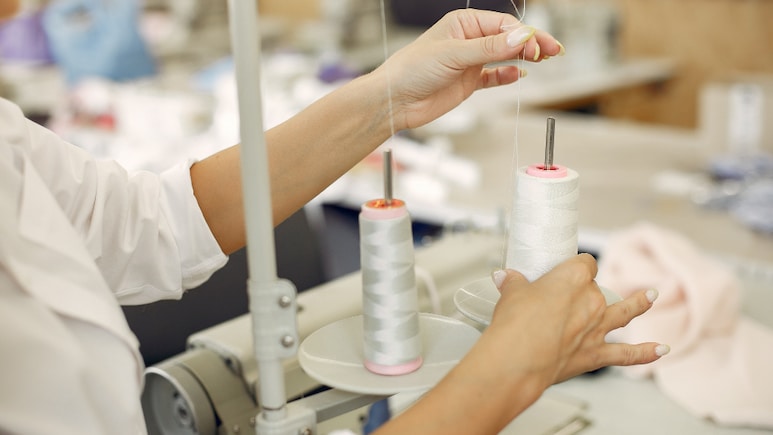
United States' trade agreement with Bangladesh is turning heads in India, specifically because of the textiles and apparels related exemptions that Dhaka has scored from Washington.
Under the agreement with Bangladesh, the US has imposed nil levies on finished textile products, so far as they are manufactured with US sourced cotton.

-
 Indian Markets Turning Corner After Two Tough Years, Says Sandeep Tandon
-
 NDTV Profit Ignite 2026: Experts See Opportunity In Equities, Stay Bullish For Long-Term
-
 Buy Right, Sit Tight Does Not Work for Individual Stocks, Says Dinshaw Irani
-
 'Worst Is Behind': Quant MF Sees Market Bottom, Flags 'Extreme Euphoria' In Midcaps
-
 India's Mutual Fund Industry Could Become A $1 Trillion Opportunity, Say Fund Managers
-
 'Foreign Investors Are Baraatis': Raamdeo Agrawal's Take On LTCG Tax
-
 Stay Invested Through Market Cycles: Raamdeo Agrawal at NDTV Profit Ignite
-
 Ramesh Damani Remains Bullish On India For Next 20-30 Years, Sees Bargains Amid Market Weakness
-
 CAS Came After A Long Consultation Process: SEBI Chairman Tuhin Kanta Pandey AT NDTV PROFIT IGNITE
-
 Aim To Cut FPI Onboarding Time From Mth To Five Days: SEBI Chairman Tuhin Kanta Pandey AT NDTV PROFI
The deal between US and India also brought a much awaited respite for the country's textile sector after tariffs were reduced to 18%. The reduction was expected to provide Indian exporters an edge over their competitors in neighbouring countries like Bangladesh.
Also Read | Layoffs Are Rising In Tech, But These Skills Are Helping People Unlock Better Pay
However, with the fresh relief to Bangladesh, would Indian textile exporters face a negative impact? Ajay Rotti, founder & CEO of Tax Compaas, does not think so.
While explaining why India should not be worried on account of the 0% duties, Rotti highlighted that the nil tariffs "are conditional" and will only come into play if Bangladesh uses US-sourced cotton.
He further underlined how India has had optional exemption or relief from duties ever since the 50% tariffs were in place, with the condition that Indian exporters should use US imports or US-sourced raw materials. For India, a finished product consisting of at least 20% US-sourced cotton will be exempted from duties. However, the rest of the components will still attract the same rate of levies.
Rotti clarified that at this juncture, it is not feasible for either India or Bangladesh to use US cotton, as it is more expensive than what both countries can locally source. Therefore, India might be at par with Bangladesh as far as the Textile sector is concerned, he added.
The expert pointed out that India has struck a way better deal with the US than Bangladesh, since the latter has given up a lot in other sectors. This includes free movement of data across borders and data localisation, relaxed halal certification for food items, and liberalised FDI for US investment in oil and gas, among other things.
ALSO READ: US Trims Tariffs On Bangladesh To 19%, Offers Zero Duties On Select Textile, Apparel Imports
Essential Business Intelligence, Sharp Market Insights, Practical Personal Finance Advice, Daily Fuel, Gold and Silver Prices and Latest Stories — On NDTV Profit.