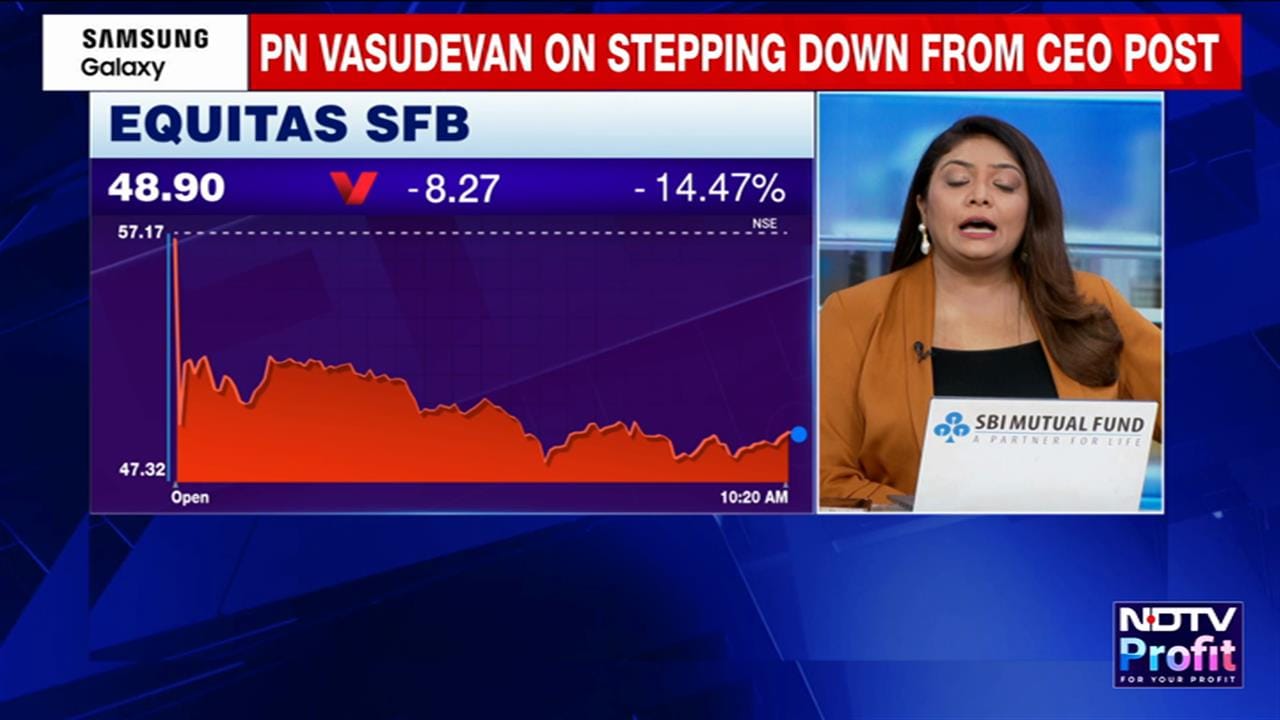
The Reserve Bank of India has revised priority-sector-lending requirements for small finance banks, reducing the overall target from 75% to 60% of adjusted net bank credit or credit equivalent of off-balance sheet exposures, whichever is higher.
These revised guidelines will come into effect from the next financial year, the central bank said in a press release on Friday.

-
 Indian Markets Turning Corner After Two Tough Years, Says Sandeep Tandon
-
 NDTV Profit Ignite 2026: Experts See Opportunity In Equities, Stay Bullish For Long-Term
-
 Buy Right, Sit Tight Does Not Work for Individual Stocks, Says Dinshaw Irani
-
 'Worst Is Behind': Quant MF Sees Market Bottom, Flags 'Extreme Euphoria' In Midcaps
-
 India's Mutual Fund Industry Could Become A $1 Trillion Opportunity, Say Fund Managers
-
 'Foreign Investors Are Baraatis': Raamdeo Agrawal's Take On LTCG Tax
-
 Stay Invested Through Market Cycles: Raamdeo Agrawal at NDTV Profit Ignite
-
 Ramesh Damani Remains Bullish On India For Next 20-30 Years, Sees Bargains Amid Market Weakness
-
 CAS Came After A Long Consultation Process: SEBI Chairman Tuhin Kanta Pandey AT NDTV PROFIT IGNITE
-
 Aim To Cut FPI Onboarding Time From Mth To Five Days: SEBI Chairman Tuhin Kanta Pandey AT NDTV PROFI
Under the new rules, small finance banks must allocate 40% of their credit to core priority sectors as per existing guidelines, while the flexible component — where banks can lend to sectors of their choice — has been cut from 35% to 20%.
Also Read | Layoffs Are Rising In Tech, But These Skills Are Helping People Unlock Better Pay
This move aims to streamline lending practices and ensure a sharper focus on priority sectors.
Priority sector lending is an RBI-mandated practice, where banks must allocate a certain portion of their lending to sectors that are critical for the country's economic and social development, but which often struggle to access credit. These sectors include agriculture, micro, small and medium enterprises, education, affordable housing, renewable energy, export credit and lending to weaker sections of society.
The PSL scheme aims to ensure inclusive growth by channeling credit to areas that support employment, rural development and social welfare. The revised norms are expected to impact lending strategies across small finance banks from the next financial year.
Essential Business Intelligence, Sharp Market Insights, Practical Personal Finance Advice, Daily Fuel, Gold and Silver Prices and Latest Stories — On NDTV Profit.