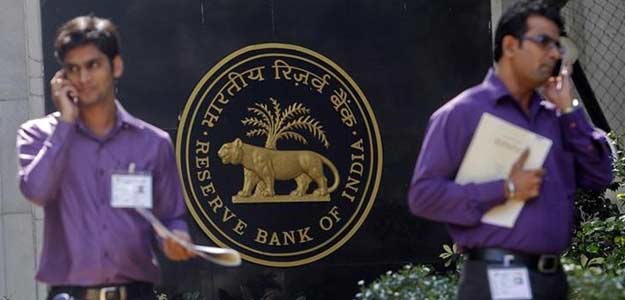
The easing trend in inflation has raised hopes of an earlier-than-expected rate cut from the Reserve Bank of India. Some economists expect the RBI to begin rate cuts as early as February next year. "We are increasingly confident about our call for a RBI repo rate cut in February," said Bank of America-Merrill Lynch economists Indranil Sen Gupta and Abhishek Gupta in a note. The RBI's next policy review is due on December 2.
Indranil Pan, chief economist at Kotak Mahindra Bank, and Aditi Nayar, senior economist at Icra, also expect the RBI to cut rates early next year, but in April. "With consumer inflation coming down to sharply to near 6.5 per cent levels (September), the sense is very clear that there is deflation pressure in the economy," Mr Pan said. "With vegetable prices coming off, consumer inflation is likely to come within the RBI's target of 6 per cent next year."
However, Ms Nayar cautioned that it is premature to say that the RBI's battle against inflation is won. Food articles make up around 50 per cent of consumer inflation index and any price volatility could impact inflation trend, she said.
Reserve Bank of India Deputy Governor H R Khan also cautioned on Friday that the country's inflation has a "long way" to go before it eases because of high input costs, while the reasons for elevated food price inflation remain "structural".
However, with economic growth still remaining sluggish, the RBI could soften its monetary policy stance. Finance Minister Arun Jaitley recently in an interview said he favoured a rate cut from the central bank.
Here is why Bank of America-Merrill Lynch (BofA-ML) is optimistic of a rate cut by the RBI in February:
Oil price fall: With global crude prices falling to nearly four-year lows of below $85 per barrel and gold import curbs intact, inflationary pressures from depreciation of the rupee are ebbing, says the investment bank. It sees rupee holding in the Rs 58-62/dollar range. "A 5 per cent swing in petrol and diesel prices reduces consumer inflation in India by about 0.45 per cent, BofA-ML said. "In our view, of course, the RBI is set to achieve its inflation targets (assuming normal rains) of 8 per cent for January 2015 and 6 per cent for January 2016."
Sluggish economic growth: BofA-ML expects India's September quarterly growth to fall to 5 per cent from 5.7 per cent in the June quarter. "We are now more confident of our call that lending rate cuts are key to a recovery," Bank of America-Merrill Lynch said in a note.
Delayed Fed rate hike: BofA-ML sees the rate hike from the US Federal Reserve getting pushed back to September next year, from its earlier estimates of June. This could provide more leeway for the RBI to cut rates. "This should assuage concerns that the RBI would have to protect the rupee from an emerging market sell-off by higher rates," BofA-ML said.
Fiscal consolidation: The government's commitment to the path of fiscal consolidation will provide more room to the RBI to ease monetary policy stance, BofA-ML said. "We welcome the center's decision to cut non-Plan expenditure by 10 per cent to meet the FY15 fiscal deficit target of 4.1 per cent of GDP," BofA-ML said. Lower fiscal deficit (government's earning - expenditure) helps banks to lend more money as the government borrows less.
Lower bond yields: The interest earned on 10-year government bonds has slipped to over one-year low levels of 8.20 per cent in anticipation monetary easing by the RBI. BofA-ML expects the RBI to get more comfortable with lower yields (A higher yield helps to attract more foreign inflows into bonds). The investment bank sees 10-year bond yield to settle at 8-8.25 levels.
Essential Business Intelligence, Sharp Market Insights, Practical Personal Finance Advice, Daily Fuel, Gold and Silver Prices and Latest Stories — On NDTV Profit.