- Former RBI governor Raghuram Rajan advises against defending a specific rupee level with forex reserves
- Rajan says rupee depreciation could improve export competitiveness amid economic pressures
- Rupee has fallen 6% in 2026, pressured by rising oil prices and foreign fund outflows
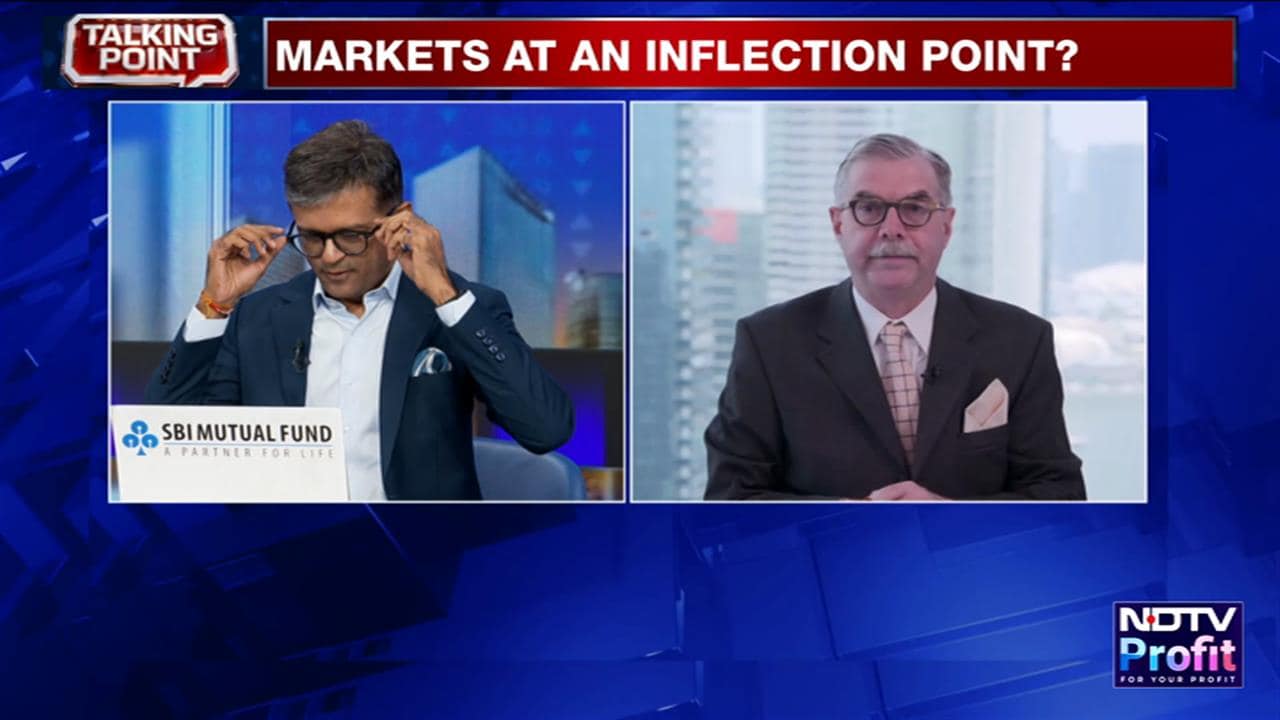
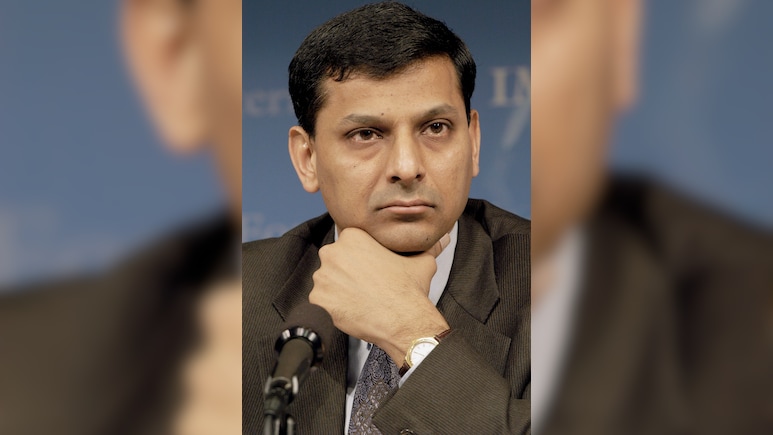
Advocating for a measured response to currency weakness, former RBI governor Raghuram Rajan has cautioned against defending a specific rupee level with forex reserves, arguing that depreciation could bolster export competitiveness even as elevated oil prices and foreign fund outflows intensify pressure on the currency.
Cautioning against using the country's foreign exchange reserves to defend the Rupee, Rajan urged policy makers to avoid fixating on a particular exchange-rate level and instead assess the currency's weakness in the context of broader economic conditions.

-
 India's Market Leaders To Decode The New Samvat At NDTV Profit Ignite In Mumbai On Oct 28
-
 NDTV Profit IGNITE Diwali 2026: Top Market Veterans Decode Wealth Creation
-
 The Week Ahead: Earnings Season, Fed Policy Verdict And Crude Oil In Focus
-
 Silver Is Now Down From Rs 4.2 Lakh To Rs 1.9 Lakh: Where It Goes From Here
-
 NDTV Ignite, The Trillion-Dollar Trajectory: India's Road to 2030
ALSO READ: 'Wars Not Just Fought With Weapons': PM Modi Warns Of Economic Warfare At RBI's Date Centre Launch
Also Read | Layoffs Are Rising In Tech, But These Skills Are Helping People Unlock Better Pay
Speaking to Reuters on October 27, Rajan urged policymakers to resist knee-jerk reactions to the rupee's decline, calling for a longer-term assessment of the currency's movement against the backdrop of previous episodes of depreciation. "I think the first response would be, don't panic," Rajan told the Reuters Global Markets Forum, warning that India's current account deficit could widen further if oil prices remained elevated.
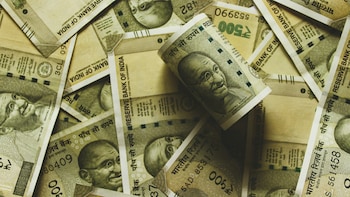
The rupee has depreciated around 6% so far in 2026, making it Asia's second-worst-performing currency, and touched a record low of 96.96 in May. Rising oil prices, higher US Treasury yields and sustained foreign equity outflows have added to the pressure on the currency.
According to Rajan, some depreciation is not necessarily detrimental to the economy, as it can help Indian goods remain competitive in international markets. "Some currency depreciation is not necessarily a bad thing in this kind of environment. It allows you to stabilise your exports (and) makes your goods more competitive," he said.
Why Rajan Is Cautioning Against Using Forex Reserves
Rajan's remarks come as the RBI steps up its intervention in the foreign exchange market to contain the rupee's decline and limit the potential impact on inflation and financial stability.
India has deployed around half of the more than $140 billion mobilised through special measures earlier this year to support the currency and absorb surplus liquidity in the banking system.
Rajan cautioned against spending these resources too quickly to defend a particular exchange-rate level, especially after considerable efforts were made to attract foreign currency deposits.
"We just spent a lot of money trying to get the FCNR(B) money in. It would be a shame if that was quickly spent in defending a level, which historically we haven't done," he said.
ALSO READ : RBI Net Dollar Purchase Hits $43.264 Billion In August
FCNR(B), or Foreign Currency Non-Resident Bank, deposits allow eligible non-resident Indians to hold deposits in foreign currencies. Such deposits can help banks access foreign currency funding and support the country's external financing position.
Rajan's comments suggest that currency intervention should be measured and guided by economic fundamentals rather than an attempt to prevent every fall in the rupee.
Oil Prices Remain A Key Risk
The former RBI governor also flagged the potential consequences of an escalation in the Middle East conflict, particularly if energy infrastructure in the Gulf region were targeted.
As a major oil importer, India remains vulnerable to a sustained increase in global crude prices. More expensive oil can raise the country's import bill, put additional pressure on the current account deficit and increase domestic inflation risks.
"If the Middle East war reignites and Gulf energy infrastructure is hit," oil-importing emerging economies could face significantly greater pressure, Rajan said.
The RBI has also indicated that monetary policy measures could be considered to stabilise the currency.
Earlier this month, RBI Governor Sanjay Malhotra kept the door open to monetary measures to stabilise the rupee. Rajan, who led the central bank during India's 2013 inclusion in the 'fragile five', urged policymakers to assess the currency's decline over the longer term rather than react to short-term market volatility.
Essential Business Intelligence, Sharp Market Insights, Practical Personal Finance Advice, Daily Fuel, Gold and Silver Prices and Latest Stories — On NDTV Profit.