Mumbai: Industry experts have hailed the RBI's draft paper on peer-to-peer (P2P) lending saying adequate regulation of this nascent industry can go a long way in changing the credit flow paradigm by facilitating sustainable fund flow to a large section of the unbanked sectors.
Even globally, P2P lending is at a nascent stage with a total business size estimated at around $5 billion while back home there are tens of thousands of moneylenders and microfinance players, mostly engaged in offline model of financing.
However, the latest entrants operate under online model.
While almost all countries allow this model, Japan and Israel are the notable ones that have banned it.
According to industry watchers online P2P model is already thriving here with their numbers varying from a low five to high 30s. The model offers benefits to various stakeholders like borrowers, lenders, agencies etc.
As per Madan Sabnavis, Chief Economist at Care Ratings, P2P lending is a form of crowd-funding that raises loans that are paid back with interest, which is set by the platform or by mutual agreement between the borrower and the lender.
It makes the use of an online platform that matches lenders with borrowers to provide unsecured loans. The borrower can either be an individual or a legal person requiring a loan. Certain fees are to be paid to the platform by both the lender as well as the borrower.
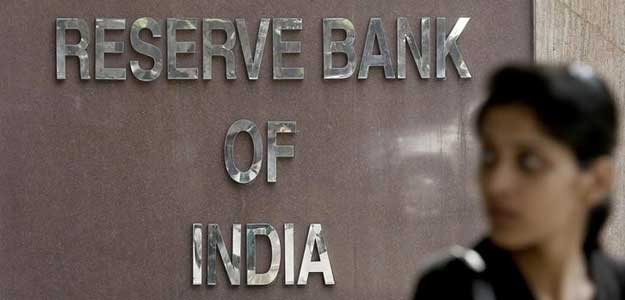
Reserve Bank recently issued draft norms for P2P lending, wherein it made a minimum capital of Rs 2 crore, a physical presence in the country, not taking deposits or directly lending, and good track record of promoters among others key conditions for getting a licence to operate a P2P platform, which could be run by individuals, proprietorships, partnerships or limited liability partnerships.
But the apex bank said it will not regulate them directly but will be governed by the Companies Act.
"P2P lending is a part of the disintermediation process in the banking sector where lenders and borrowers interact with one another directly thus saving on intermediation costs," Sabnavis said, adding if successful, this can massively change in the financial relations in the economy.
"The government and RBI have been looking at ways to move companies with large exposures to the debt market. Smaller ones can be addressed by P2P platforms while banks can be the avenue for those between these two ends. Hence, with P2P platform a three-tiered system can emerge that will also help make bank lending more efficient as it is freed from the very small and big loans," he said.
(This story has not been edited by NDTV staff and is auto-generated from a syndicated feed.)
Even globally, P2P lending is at a nascent stage with a total business size estimated at around $5 billion while back home there are tens of thousands of moneylenders and microfinance players, mostly engaged in offline model of financing.
However, the latest entrants operate under online model.
While almost all countries allow this model, Japan and Israel are the notable ones that have banned it.
According to industry watchers online P2P model is already thriving here with their numbers varying from a low five to high 30s. The model offers benefits to various stakeholders like borrowers, lenders, agencies etc.
As per Madan Sabnavis, Chief Economist at Care Ratings, P2P lending is a form of crowd-funding that raises loans that are paid back with interest, which is set by the platform or by mutual agreement between the borrower and the lender.
It makes the use of an online platform that matches lenders with borrowers to provide unsecured loans. The borrower can either be an individual or a legal person requiring a loan. Certain fees are to be paid to the platform by both the lender as well as the borrower.
Reserve Bank recently issued draft norms for P2P lending, wherein it made a minimum capital of Rs 2 crore, a physical presence in the country, not taking deposits or directly lending, and good track record of promoters among others key conditions for getting a licence to operate a P2P platform, which could be run by individuals, proprietorships, partnerships or limited liability partnerships.
But the apex bank said it will not regulate them directly but will be governed by the Companies Act.
"P2P lending is a part of the disintermediation process in the banking sector where lenders and borrowers interact with one another directly thus saving on intermediation costs," Sabnavis said, adding if successful, this can massively change in the financial relations in the economy.
"The government and RBI have been looking at ways to move companies with large exposures to the debt market. Smaller ones can be addressed by P2P platforms while banks can be the avenue for those between these two ends. Hence, with P2P platform a three-tiered system can emerge that will also help make bank lending more efficient as it is freed from the very small and big loans," he said.
(This story has not been edited by NDTV staff and is auto-generated from a syndicated feed.)
Essential Business Intelligence, Sharp Market Insights, Practical Personal Finance Advice, Daily Fuel, Gold and Silver Prices and Latest Stories — On NDTV Profit.