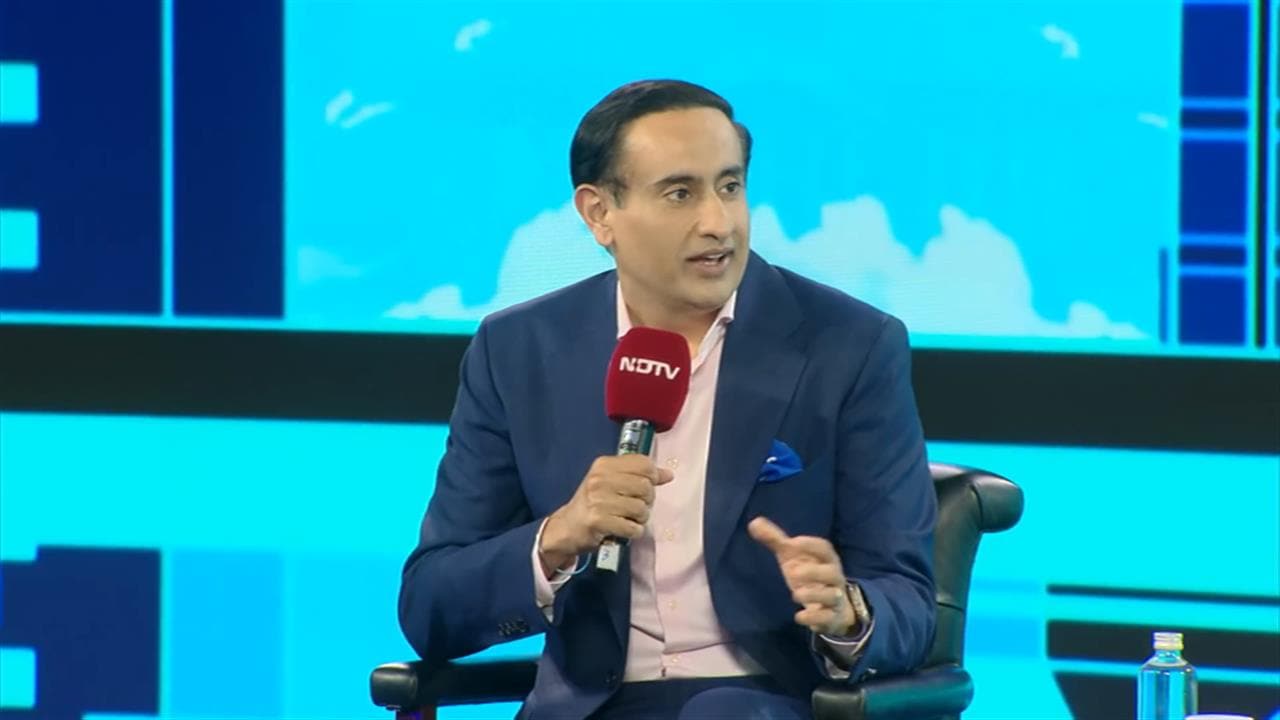
(Ramesh Menon is the founding director of CERTES Realty and is a land & urbanisation expert)
"Ninety per cent of all millionaires become so through owning real estate." - Andrew Carnegie
The above quote is largely the catalyst for the swagger amongst the corporate executives and small and medium enterprises (SME) owners who invested into real estate during the years 2000-2007, in the national capital region (NCR) and some select markets in India.
While most analysts would still label the real estate industry as a "high-risk, reasonable reward" opportunity, those who made it big would swear by it.
The aam aadmi though has been fence-sitting, hoping that the acche din promise of the Narendra Modi government will bring some relief to first-time buyers. Those who didn't take the risky plunge in the preceding years, await the magic wand of Finance Minister Arun Jaitley to create the next wave of real-estate millionaires.
Let's check what people expect, and how pragmatic are their expectations:
i) The new government has promised "housing for all", but with the government authorities and agencies such as DDA, HUDA, etc. evolving into lethargic monoliths, who would create the housing stock? The private sector works on the profit motive and low-cost housing is not a rewarding vocation for them. So, markets would continue to create products for the top 20 per cent of the paying public, who would leverage and stretch themselves to invest into real estate.
ii) It's common knowledge that the aam aadmi's real estate investments grow only when there is substantial investment into infrastructure by the government.
iii) Affordable housing is a word as frequently used as acche din, but does it translate into action? Housing can be brought within the reach of the larger public by a) increasing tax exemption limits on housing loans; b) reducing stamp duty fee; c) lower pricing of raw materials including land, steel, cement etc. and d) reducing hidden costs like service tax, VAT, preferential location charges, parking, etc.
iv) Qualitative increase in living standards through facilitating innovations in construction technology, materials & design. Would the government aid the entry of multinational firms in these areas, including their capital, is another question. While the industry is keen to welcome money in any colour, the government's reluctance to play enabler is understandable, as the realty industry hasn't done too well on credibility issues.
v) Center versus state is an age-old debate in our federal structure, and real estate is a state subject. While the central budget can be guiding policy and an enabler, it is the states, which need to create laws in the interest of their habitants. One clear example being the NCR markets of Delhi, Gurgaon, Noida, and Bhiwadi. The floor area ratio, density, external development charges, internal development charges norms vary from state to state. Can the finance minister incentivise the states and developers to bring about parity through innovative methods?
vi) Mr Jaitley must spare a thought for the sellers too. Many aam aadmi have graduated to being the khaas 20 per cent of the society and own more than one property. A major issue that is confronted by both the buyers and sellers of constructed properties is the capital gains tax. a) The seller has to raise the price to cover the tax; b) the buyer has to raise more capital to buy a home, and c) both have to deal with black money in transaction.
One common observation I have is that expectations are running high amongst stakeholders and the greed from both developers and buyers aren't helping the cause much.
Can budget 2014 change people? I doubt!
The opinions expressed here are the personal opinions of the author. NDTV is not responsible for the accuracy, completeness, suitability or validity of any information given here. All information is provided on an as-is basis. The information, facts or opinions appearing on the blog do not reflect the views of NDTV and NDTV does not assume any responsibility or liability for the same.
Essential Business Intelligence, Sharp Market Insights, Practical Personal Finance Advice, Daily Fuel, Gold and Silver Prices and Latest Stories — On NDTV Profit.