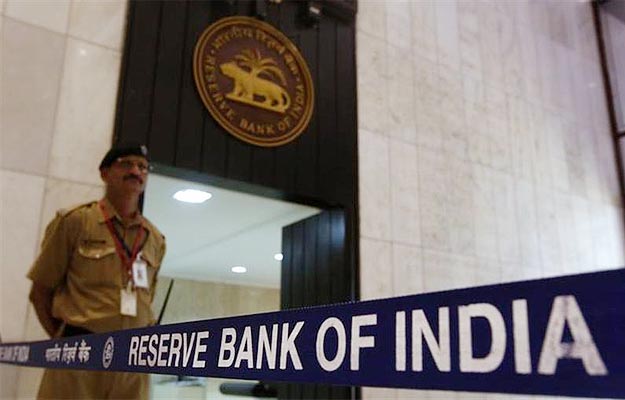
JP Morgan believes that it will still be some time before the Reserve Bank of India or RBI decides to ease rates, despite the markets believing that a rate cut by the central bank is imminent now due to a number of factors like oil price fall, sluggish growth, lower bond yields, fiscal consolidation etc.
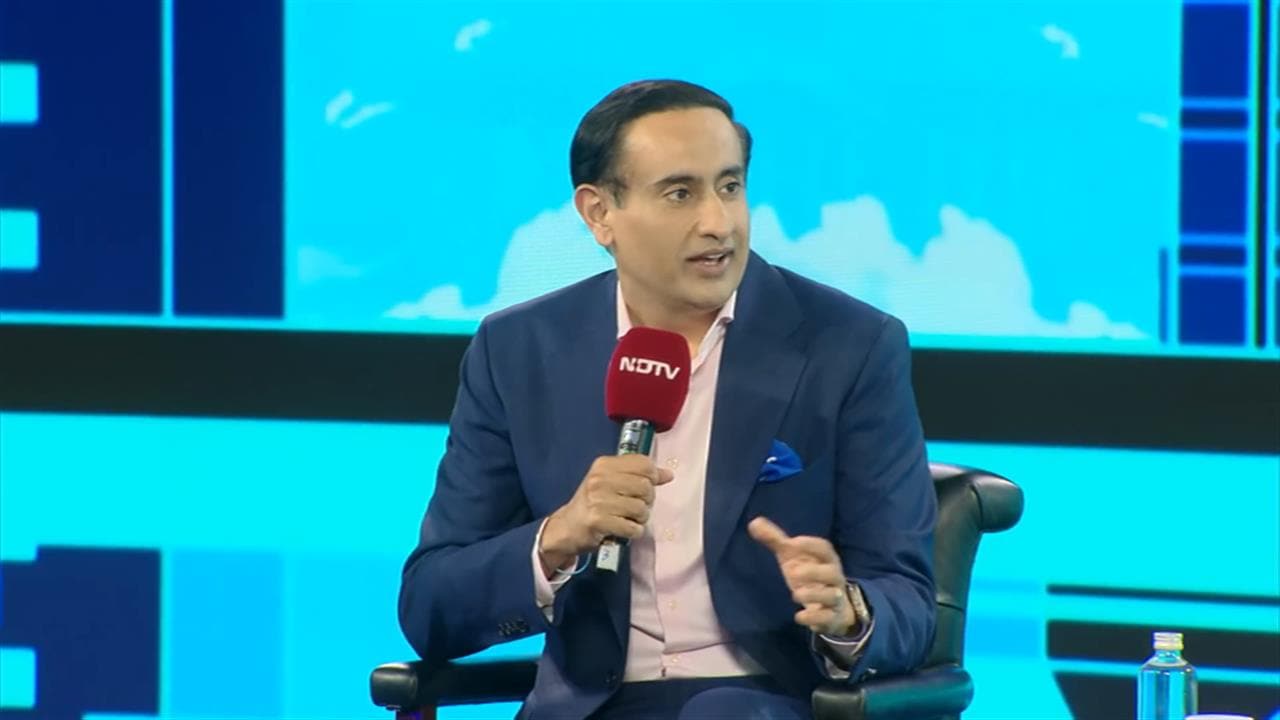
"I think only when the RBI is convinced that inflation will come down to 6 per cent and stay there even if some other risks materialise will they be inclined to cut rates. I think markets, on the rate cut front at least getting a little ahead of themselves, " Sajjid Chinoy, India economist, JP Morgan told NDTV.
The RBI had sent a strong signal in September that it would hold off cutting interest rates until it was confident that consumer inflation could be reduced to a target of 6 per cent by January 2016.
Although retail inflation declined for a second straight month in September to a slower-than-expected 6.46 percent from a year earlier, JP Morgan believes there are still risks that would worry RBI.
"We are now in a new regime and the regime is trying to bring inflation down to 6 per cent and keep it there for the foreseeable future. So when you're in this regime you don't react to any one month's inflation necessarily, you take a medium term view on things and I think over the next 12 or 13 months, there are enough risks on inflation that I think will worry the central bank that they will not act in haste," he said.
The wait for a rate cut could stretch to 2016, JP Morgan believes.
The central bank would not want to cut rates prematurely, only to have them raised later, Mr Chinoy opined adding he would be surprised if there's a rate cut any time soon.
Some economists expect the RBI to begin rate cuts as early as February on the easing inflation trend. The central bank's next policy review is due on December 2.
Essential Business Intelligence, Sharp Market Insights, Practical Personal Finance Advice, Daily Fuel, Gold and Silver Prices and Latest Stories — On NDTV Profit.