- India's monsoon weaker than expected, raising food inflation concerns, especially onions
- Maharashtra faces drought-like conditions, impacting 40% of India's onion production
- Three-fourths of onion-growing states report over 10% rainfall deficiency affecting yields
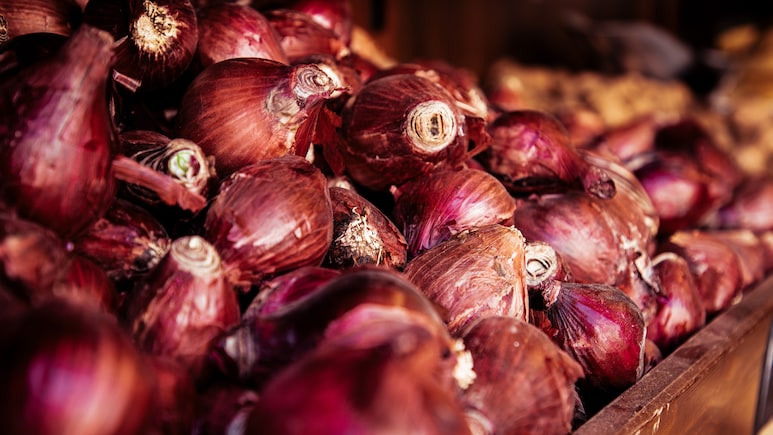
India's weaker-than-expected monsoon this year has raised concerns over food inflation, with onion prices nearly doubling from a year ago period amid drought-like conditions in Maharashtra, which accounts for around 40% of the country's onion output, according to a report by Citi Research.
While total Kharif crop area sown is dropped 1.2% year-on-year, remaining around normal levels, states accounting for three-fourths of onion, two-thirds of pulses, and half of rice production have witnessed more than 10% deficiency in rainfall. This is likely to affect crop yields and is already reflected in recent price pressures, the report added.
The Consumer Price Index (CPI) data for August showed a rise in food inflation broadly in line with the impact of the deficient monsoon, a trend expected to continue into September. Apart from onion, inflation has also picked up in other vulnerable crops, including sugar, rice and pulses.
Also Read | Layoffs Are Rising In Tech, But These Skills Are Helping People Unlock Better Pay
ALSO READ: Govt Lowers Foodgrain Production Target By 2.63 mn Tonnes For 2026-27 Over El Nino Fears
The recent price pressures come as most part of India witness drought-like conditions. Towards the end of September, such conditions were observed in nearly half of the country against 30% in 2023, with around 10% experiencing extreme or exceptionally dry conditions. Among major states, around 84% of Maharashtra and 80% of Punjab are witnessing drought-like conditions. Maharashtra has declared drought in 265 of the state's 358 talukas, covering nearly 74% of the state, according to a government notice issued last week. Nearly 37% of Maharashtra is experiencing extreme or exceptionally dry conditions, the report said citing IIT-Gnadhinagar's data.
India recorded 12% lower rainfall on a long period average basis, primarily due to development of El Nino conditions. This marks the largest deficiency since the 2015 El Nino year, the report said.
El Nino is a phenomenon when ocean surface temperatures in the central and eastern Equatorial Pacific become warmer than normal. The phenomenon usually develops every two to seven years and lasts for nine to twelve months. It typically disrupts weather systems globally, often triggering heatwaves, droughts, floods, and irregular monsoon patterns in many regions.
Even as rainfall improved from September 24 to 28, they caused flood-like situations in some parts that may not benefit standing Kharif crops. Except the late flood-like situation, monsoon rains have been consistently weak, never hitting close to normal levels for first time since 2018. Monsoon will end with rainfall deficiency, with 23 of 36 subdivisions seeing more than 10% rainfall deficiency.
ALSO READ: BMC Retains 10% Water Cut In Mumbai To Secure Supply Until May 2027, Cites El Nino Threat
Essential Business Intelligence, Sharp Market Insights, Practical Personal Finance Advice, Daily Fuel, Gold and Silver Prices and Latest Stories — On NDTV Profit.