- India relies on Venezuela as its third-largest crude oil supplier after diversifying from the Middle East
- Twin earthquakes in Venezuela disrupted logistics, power, and port operations impacting oil exports
- Delays and bottlenecks have raised shipping costs and slowed crude deliveries to Indian refiners
The devastating twin earthquakes in Venezuela significantly threaten India's energy security by disrupting logistics, threatening critical infrastructure and potentially fueling global crude oil price volatility. As a major importer heavily reliant on foreign crude, India's recent shift to increase reliance on Venezuelan crude to diversify its energy basket places its procurement strategy in a precarious position.
India's Energy Dependency
India, the world's third-largest oil consumer, imports roughly 85% of its crude oil requirements to sustain its rapidly growing economy. Traditionally, India relied heavily on the Middle East for the bulk of its energy needs. However, ongoing geopolitical frictions and maritime security concerns (including tensions around the Strait of Hormuz) prompted New Delhi to actively diversify its procurement sources.
Also Read | Layoffs Are Rising In Tech, But These Skills Are Helping People Unlock Better Pay
As part of this strategy, India significantly increased its crude oil purchases from Venezuela, elevating Caracas to one of its top three crude suppliers. This renewed energy partnership was solidified during high-level bilateral talks in New Delhi between Prime Minister Narendra Modi and Venezuelan Acting President Delcy Rodríguez, which opened avenues for expanded Indian investments in Venezuela's upstream oil fields.
Many public and private sector Indian refineries are specifically designed to process heavy crude varieties efficiently, allowing refiners to integrate Venezuelan supplies seamlessly.
Driven by disruptions in West Asia and the easing of international restrictions, Venezuela rapidly emerged as India's third-largest crude oil supplier by May 2026, with Indian imports surging to 427,000 barrels per day. This renewed energy partnership was solidified during high-level bilateral talks in New Delhi between Prime Minister Narendra Modi and Venezuelan Acting President Delcy Rodríguez, which opened avenues for expanded Indian investments in Venezuela's upstream oil fields and deeper collaboration in pharmaceuticals, critical minerals, and digital public infrastructure.
The Operational Shock
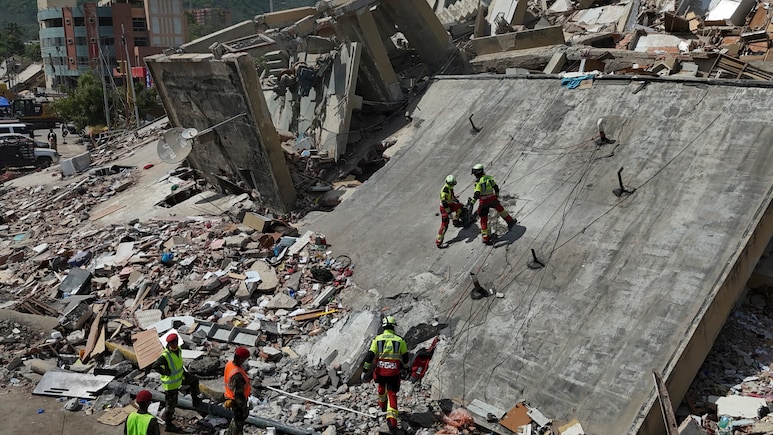
The historic twin earthquakes-striking Venezuela's Caribbean coastline with magnitudes of 7.2 and 7.5 within a matter of seconds-caused widespread destruction and a tragic loss of life. While preliminary assessments indicate that major core oil production and export facilities remained largely intact, the broader logistical and systemic damage presents a stark challenge to energy exports.
The quakes triggered severe power outages across central states, severely hampering the country's electrical grid, which in turn disrupted local refineries and petrochemical operations. Furthermore, structural damage to transport networks, port restrictions, and temporary closures of marine terminals have led to critical bottlenecks. Customs and export documentation delays at terminals in Caracas have also forced tanker loadings to slow, resulting in logistical snarls and higher marine insurance costs for vessels bound for India.
Implications for India's Oil Purchases
The disruptions stemming from the Venezuelan earthquakes have several clear implications for India's oil purchasing strategy:
- Short-Term Logistical Friction: Immediate impacts include shipping delays and increased demurrage charges for Indian refiners waiting on scheduled cargoes. If port closures or power outages prevent vessels from loading, supply chains face temporary tightening.
- Macroeconomic and Price Vulnerability: Because India relies on imports for the vast majority of its energy, any perceived reduction in global supply inevitably feeds into price volatility. If the delays are prolonged and Venezuela's output drops below its pre-earthquake levels of 1.2 million barrels per day, international Brent crude prices could experience upward pressure, exacerbating India's current account deficit.
- Impact on Upstream Investments: Indian public sector entities, such as ONGC Videsh, have long-standing upstream investments in Venezuela's oil sector. Extended operational downtimes, physical damage to joint-venture assets, and financial constraints could impact the valuation and returns on these investments.
India's Diversification Strategy
Despite these risks, the devastating Venezuelan earthquakes are unlikely to cause a crippling oil shortage for India. A primary advantage of India's import strategy is its expansive reach; Indian oil companies procure crude from roughly 35-40 different nations, including Russia, Iraq, Saudi Arabia, the UAE, the United States, and Brazil.
The import basket includes nations across Africa and Latin America, such as Nigeria, Angola, Brazil, and Venezuela. This widespread diversification provides a powerful buffer against sudden, localized supply shocks. Furthermore, Indian oil marketing companies maintain strategic reserves and can adjust their procurement mixes to offset temporary supply deficits from Latin America.
Conclusion
Therefore, while the twin earthquakes in Venezuela undeniably introduce operational headaches and could contribute to mild upward pressure on retail fuel prices in India, they ultimately underscore the necessity of a robust, multi-region energy import portfolio. These earthquakes underscore the fragility of relying on politically volatile, disaster-prone regions to plug gaps in India's energy basket.
To build true resilience, New Delhi must double down on domestic Strategic Petroleum Reserves, optimize supply routes, and diversify its heavy-crude sourcing. Securing these geographic and geopolitical buffers is essential to shield the economy from sudden, unforeseen supply shocks.
Disclaimer: The views expressed in this article are solely those of the author and do not necessarily reflect the opinion of NDTV Profit or its affiliates. Readers are advised to conduct their own research or consult a qualified professional before making any investment or business decisions. NDTV Profit does not guarantee the accuracy, completeness, or reliability of the information presented in this article.
ALSO READ: Venezuela's Most Emotional Earthquake Rescue Yet? Two Poodles Refuse To Leave Rubble
Essential Business Intelligence, Sharp Market Insights, Practical Personal Finance Advice, Daily Fuel, Gold and Silver Prices and Latest Stories — On NDTV Profit.