As Washington weaponises trade to choke Moscow's energy revenue, India's delicate balancing act between the U.S. and Russia faces its most severe test yet.
Prabhu Dayal
Stories By Prabhu Dayal
 Caught In The Crossfire: How Lindsey Graham Act Threatens India's Strategic Autonomy
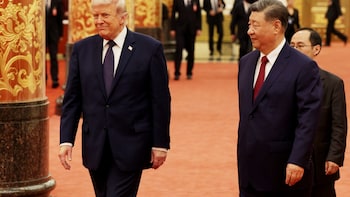 Beyond Tariffs: Trump-Xi Summit Puts Rare Earths, AI Guardrails, And Energy Flows To Test
The Trump-Xi summit on September 24 is less about achieving a grand ideological harmony and more about managing strategic competition. For the global economy, the stakes are binary.
 The Geopolitical, Economic Fallout: Analyzing US Threat Of 100% Tariffs On Indian Goods
New Delhi must proactively manage its trade vulnerabilities to ensure that its economic growth is not crippled by the crossfires of distant geopolitical conflicts.
 BRICS 2026: India's Vision For AI, Trade And Growth
India's BRICS 2026 vision focuses on AI for public good, digital trade, local payment systems, resilient supply chains, MSMEs and sustainable growth across the Global South.
 The Impact Of Trump's Pharmaceutical Import Policies On India
The Indian government must leverage the two-year, zero-tariff grace period to negotiate trade exemptions and accelerate localized manufacturing partnerships in the US.
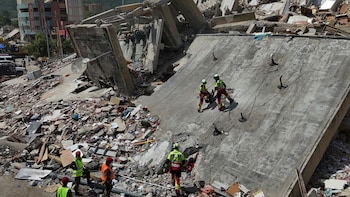 How Venezuelan Earthquakes Impact India's Oil Imports, Energy Security
These earthquakes underscore the fragility of relying on politically volatile, disaster-prone regions to plug gaps in India's energy basket.
 Voice Of The Global South: India's Strategic Outreach At The Evian G7 Summit
Participating as a partner country in the G7 Summit elevates India's status as a critical global stakeholder and a powerful voice for the Global South.
 The Energy Trap: India Faces Inflationary Crisis, High Import Bills Amid Oil Shock-Led Fuel Price Hike
A prolonged Hormuz crisis exposes the limitations of India's long-term energy planning, transforming a distant conflict into an immediate domestic emergency.
 India's Energy Challenges Triggered By Middle East Tensions
Prime Minister Narendra Modi has highlighted India's energy challenges triggered by Middle East tensions. He has urged citizens to conserve fuel and adopt cleaner energy practices.
 Diplomatic Friction, Financial Shock: Decoding UAE's $3.5B Loan Recall From Pakistan
The UAE is reallocating its investments and strategic priorities, with India emerging as a key economic partner, potentially reducing its long-term reliance on, or interest in, Pakistan.
 Price Of War: How The Iran Conflict Has Unsettled US Economy
The surge in energy costs, disruption of key supplies, and the resulting inflationary surge have created a shaky economic environment in the United States.
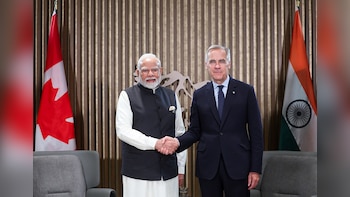 Beyond The Frictions: Modi, Carney Chart A New Course For India-Canada Bilateral Relations
The India-Canada relations are currently undergoing a major diplomatic reset. This follows a period of strained ties under former PM Justin Trudeau.
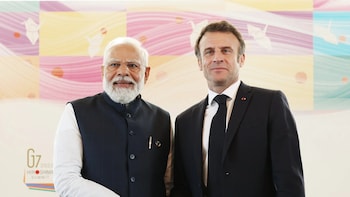 Rafale, AI And Beyond — Macron's Visit Elevates Indo-French Ties To Special Global Strategic Partnership
Macron's visit was focused on advancing the Horizon 2047 roadmap which is a 25-year strategic blueprint between India and France adopted in July 2023.
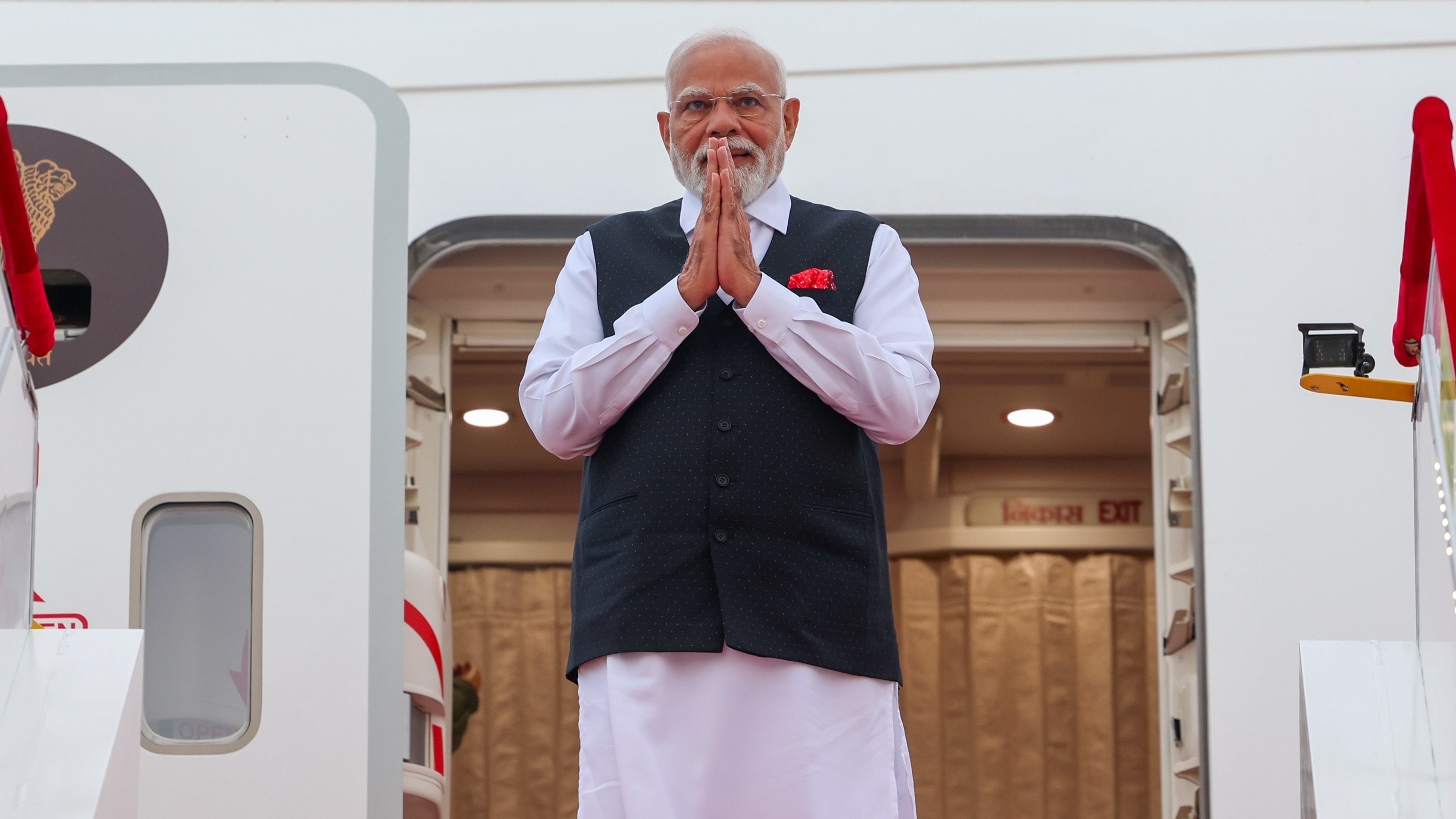 Deepening Trade, Economic Pacts: PM Modi's Three-Nation Visit To Jordan, Ethiopia, Oman
These visits are part of his "Link West Policy" which focuses on deepening engagement with West Asia and the "Africa initiative".
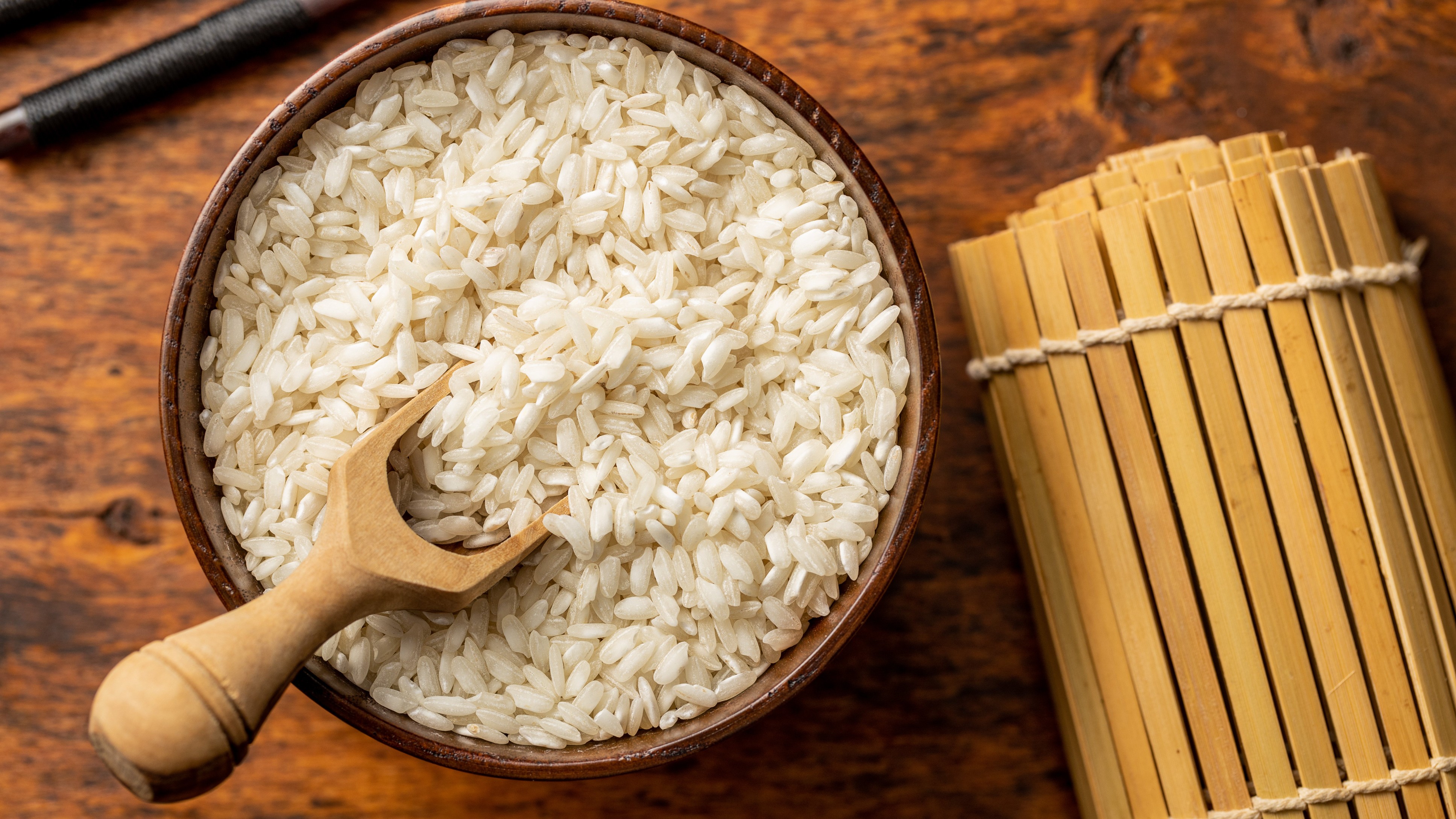 Trade Tensions Mount As Trump Targets Indian Rice With Tariff Threat
Trump's explicit threat to impose new tariffs on Indian rice could become another sticking point that could further complicate and potentially stall the ongoing trade deal negotiations.
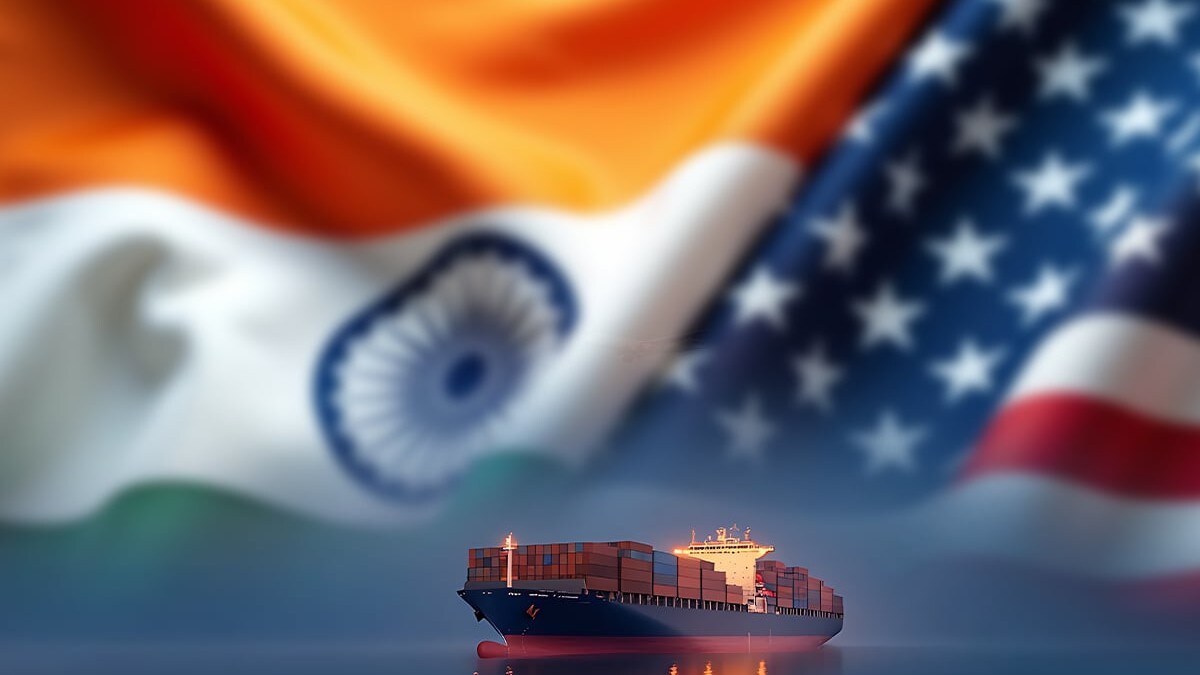 Navigating Trump Tariffs: Outlook For Bilateral India-US Trade Agreement
Economically, the deal is crucial for significantly boosting bilateral trade, reducing tariffs and integrating supply chains.
 New Opportunities For Indian Exporters After US Tariff Rollback
Indian exporters of spices, tea, coffee, cashew nuts and certain processed fruits and vegetables are the primary beneficiaries.
 Trump-Xi Summit: Leaders Agree To Dial Back Trade Tensions
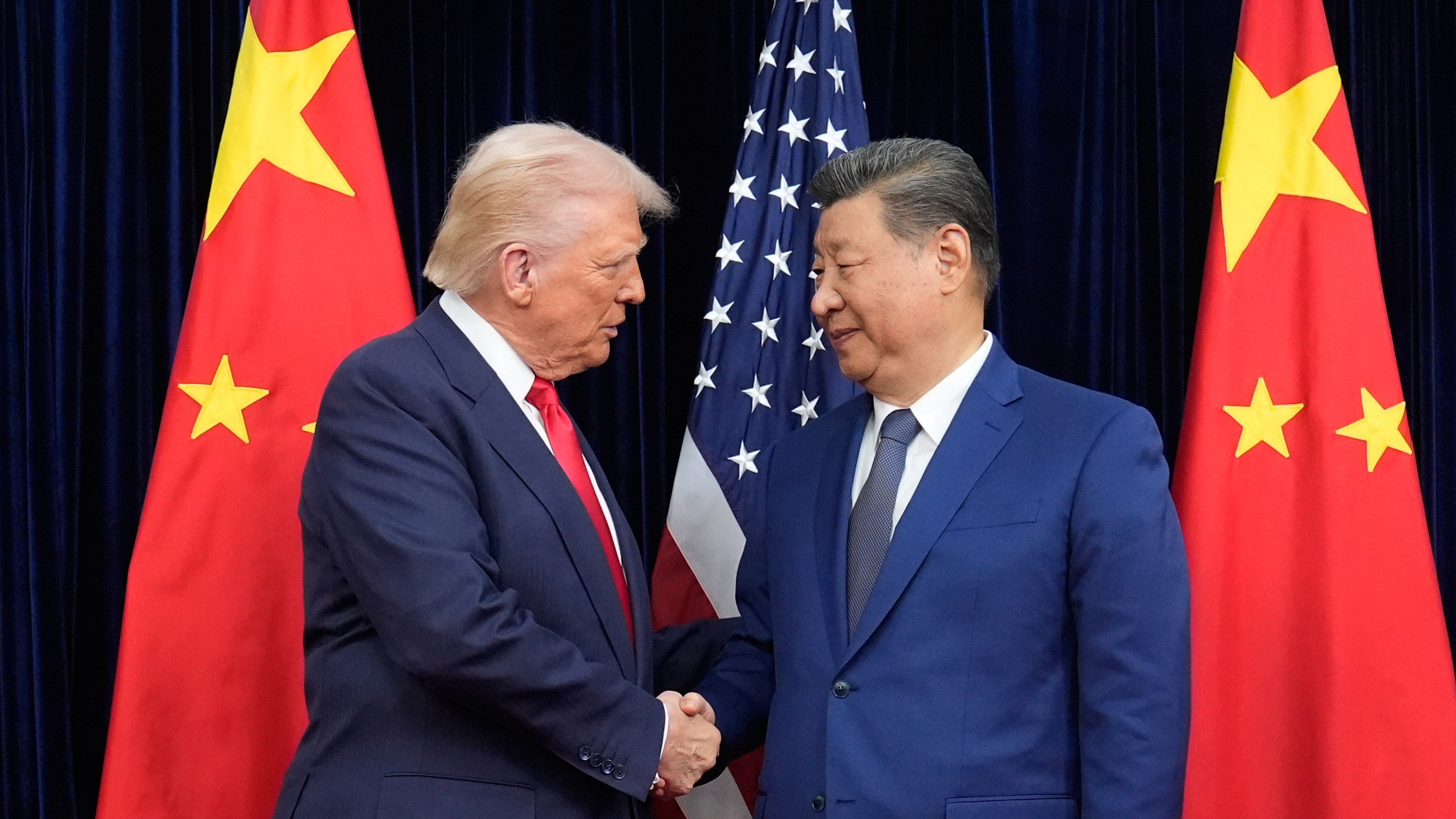
While a temporary agreement was reached through the Trump-Xi talks, the fundamental competitive dynamics remain.
 Trump-Xi Meeting Next Week At APEC Summit — What To Expect
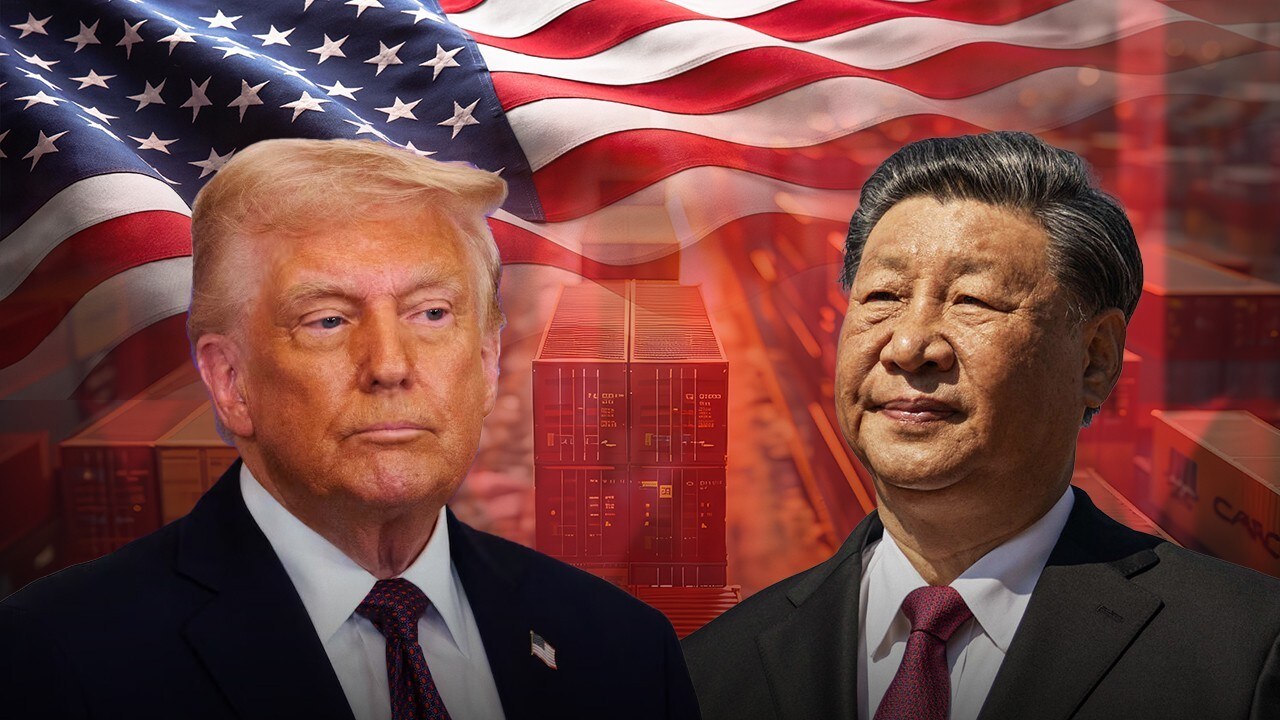
The US economy remains heavily dependent on Chinese inputs for many manufactured goods. An abrupt and full separation would cause massive economic shocks to both supply and demand.
 Protecting Interests: Decoding India's Stance In US Trade Negotiations
Trump's tariffs have significantly impacted India by reducing its exports to the US, damaging labour-intensive sectors, and straining diplomatic relations.