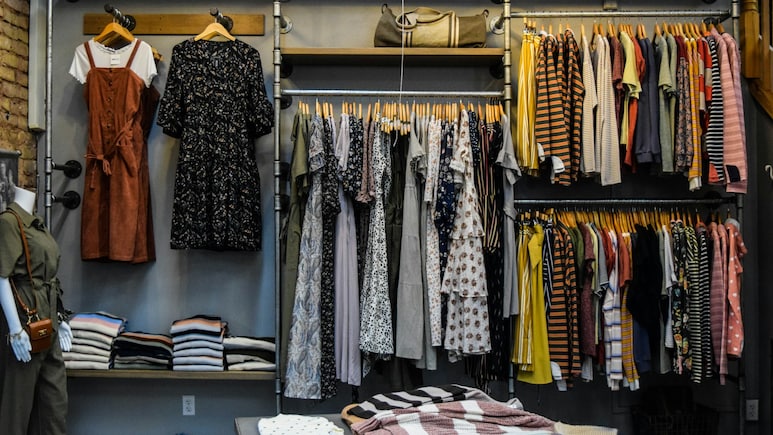
In a world of quick commerce, fast fashion and even fast-paced life, one issue has been festering in the background: counterfeit goods.
The State of Counterfeiting in India 2025 report, released by the Authentication Solution Providers' Association in collaboration with Crisil Intelligence, has revealed that counterfeiting remains deeply rooted in India's consumer markets, with nearly nine out of 10 urban consumers or 89% admitting to purchasing a fake product at least once.
The study further points to the growing scale of this 'crisis' and highlights how 35% of respondents encountered counterfeit goods in the last year alone.
Also Read | Layoffs Are Rising In Tech, But These Skills Are Helping People Unlock Better Pay
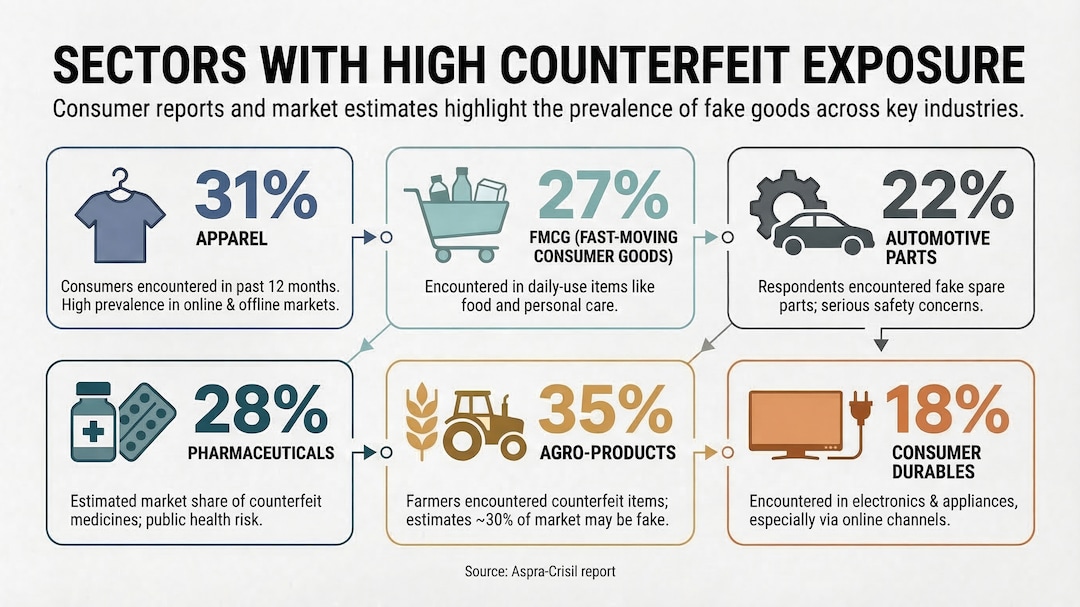
Based on a survey of 1,639 respondents across nine major Indian cities including Delhi, Mumbai, Chennai, Bengaluru, Hyderabad, Kolkata, Ahmedabad, Jaipur and Indore; the study goes on to give a sector-wise breakdown of which industries have higher exposure to fake goods, wherein apparel and FMCG top the list.
"The apparel sector emerges as one of the most affected categories, with 31% of consumers reporting that they encountered or purchased counterfeit apparel in the past 12 months, reflecting the high prevalence of fake fashion products in both online and offline markets," the study states.
Fast moving consumer goods closely follow FMCG with 27% of consumers reporting encounters with counterfeit products within the last year, indicating risks in everyday household products such as packaged food, personal care, and home care items.
Sectors like automotive parts and pharmaceuticals also have high exposure, with counterfeit medicines accounting for 28% of the market and 22% of the respondents encountering fake spare parts in the market. Other vulnerable sectors include consumer durables and Agro products.
The Digital Threat
The Digital Shift and E-commerce risks are prompting a rapid evolution of distribution of illicit, with digital channels emerging as a primary source of counterfeit products.
According to the study, online aggregator platforms now account for 53% of counterfeit purchases, representing the largest single channel for fakes.
Social media advertisements are also becoming a significant concern, particularly for fashion and electronics, where they account for 46% and 35% of counterfeit exposure, respectively.
While traditional local retail outlets still dominate the distribution of fake agro-products (75%) and pharmaceuticals (63%), the anonymity and reach of the internet have made the fight against sophisticated counterfeiters increasingly challenging.
Shifting Consumer Sentiments and the need for action despite the widespread presence of fakes — which consumers estimate make up 29% of local market inventory — attitudes are beginning to shift.
While counterfeit products are perceived to be roughly 22% cheaper than genuine items, only 36% of buyers cite price as their main motivation. On the brighter side, half of the consumers surveyed expressed a willingness to file formal complaints, and many are now prepared to pay a premium — averaging 9% — for guaranteed authentic goods.
ALSO READ: MakeMyTrip Evaluates India IPO As It Completes Restructuring Of Business
Essential Business Intelligence, Sharp Market Insights, Practical Personal Finance Advice, Daily Fuel, Gold and Silver Prices and Latest Stories — On NDTV Profit.