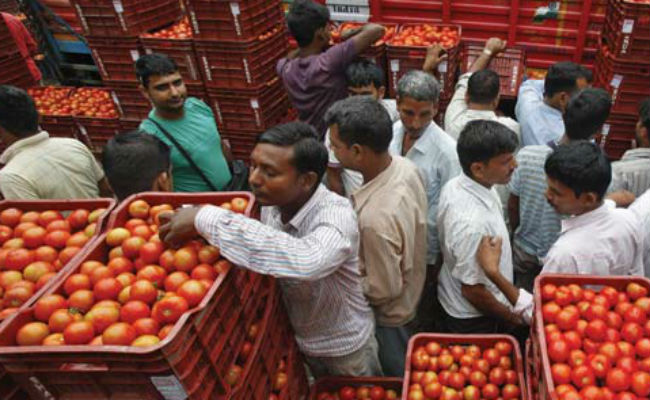
Retail inflation in the country as tracked through the Consumer Price Index eased to 3.17 per cent in January, 2017, which is lowest in the past five years. In December, the growth in inflation was reported at 3.41 per cent which was largely due to fall in the price of perishable items like fruits an vegetables. In January, too, the ease in inflation was due to crash in the vegetable prices that declined by 15.62 per cent. Price of Pulses declined by 6.62 per cent.
A Reuters poll of 26 economists, had predicted the inflation rate for January to be at 3.22 per cent.
Consumer price inflation has been below 4 per cent since PM Modi's November 8 decision to abolish 500- and 1,000- rupee notes that wiped out 86 per cent of the currency in circulation, hurting demand in largely cash-based economy.
Even though the retail inflation is well below Reserve Bank of India's target of 5 per cent, it is unlikely that the central bank will go for a rate cut in the coming months. According to a Reuters poll the consensus view in the survey of 45 economists pointed to the policy repo rate staying unchanged at 6.25 percent until July-September quarter 2018.
Essential Business Intelligence, Sharp Market Insights, Practical Personal Finance Advice, Daily Fuel, Gold and Silver Prices and Latest Stories — On NDTV Profit.