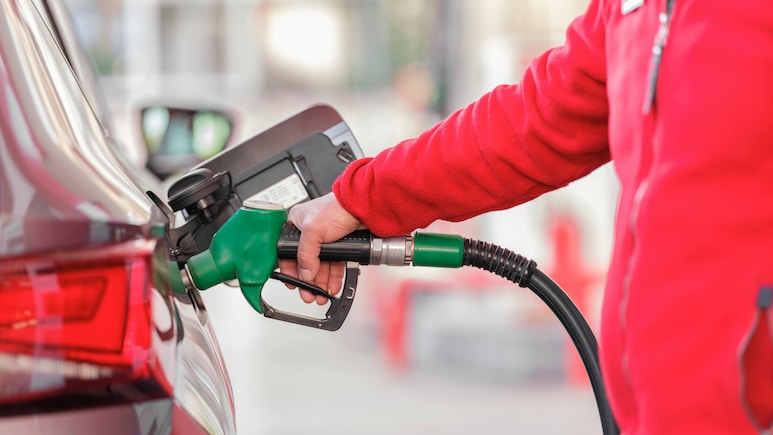
- India's Ethanol Blending Programme is scientifically validated and government-monitored
- Old images and videos mislead consumers about ethanol-blended petrol quality
- E20 petrol launched in 2023 with no widespread engine issues reported
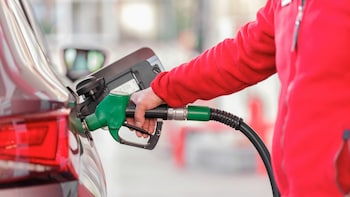
The Centre on Tuesday dismissed what it called misleading and unsubstantiated claims circulating on social media about ethanol-blended petrol, asserting that India's Ethanol Blending Programme (EBP) is scientifically validated and closely monitored by the government.
In a statement, the Ministry of Petroleum and Natural Gas said old images and videos were being recirculated to create unwarranted concerns about ethanol-blended fuel and mislead consumers.
"The Ethanol Blending Programme is scientifically validated and continuously monitored by the Government," the ministry said.
Launched in 2003 to reduce crude oil imports, strengthen energy security and promote cleaner fuels, the programme has been rolled out in phases, culminating in the introduction of 20% ethanol-blended petrol (E20) from 2023 onwards.
ALSO READ: 'Want Defence Ties Stronger': MEA On Reports Of India Selling Brahmos Missiles To UAE
The ministry said the programme is reviewed regularly in consultation with oil marketing companies, automobile manufacturers, fuel-testing agencies and other stakeholders.
"Since the introduction of E20 petrol, no widespread issues of engine failure or vehicle breakdown attributable to ethanol blending have been reported," it said.
Addressing concerns over ethanol's hygroscopic nature, the ministry noted that water contamination is undesirable in any fuel and said modern vehicles are equipped with safeguards to prevent water from entering fuel tanks.
The government also rejected social media claims showing sugarcane juice being mixed directly with petrol, calling such content misleading and baseless.
"Ethanol used for fuel blending is produced through established industrial processes and conforms to stringent quality specifications before blending with petrol," the ministry said.
While ethanol can be produced from feedstocks such as sugarcane juice, molasses, broken rice and maize, the ministry said the final fuel-grade ethanol undergoes fermentation and other processing stages that fundamentally alter its properties.
The clarification follows the circulation of a viral video showing ants near a vehicle's fuel tank. Citing Bharat Petroleum Corporation Ltd. (BPCL), the ministry said fuel-grade ethanol contains no residual sugars and includes denaturants that repel insects.
ALSO READ: India Initiates Anti-Dumping Probe Against Imports Of Electrical Steel From China, 3 Other Nations
"There is no identifiable attractant associated with E20 fuel that would cause ants or other insects to congregate around vehicle fuel caps," BPCL said, according to the ministry. The government also dismissed claims that using E20 fuel could invalidate vehicle insurance, saying such assertions had been clarified by stakeholders and found to be incorrect.
Highlighting the programme's economic impact, the ministry said ethanol blending has helped India save more than Rs 1.4 lakh crore in foreign exchange by reducing crude oil imports. It added that ethanol production has created sustained demand for agricultural feedstocks, supporting farm incomes and rural economic activity.
Essential Business Intelligence, Sharp Market Insights, Practical Personal Finance Advice, Daily Fuel, Gold and Silver Prices and Latest Stories — On NDTV Profit.