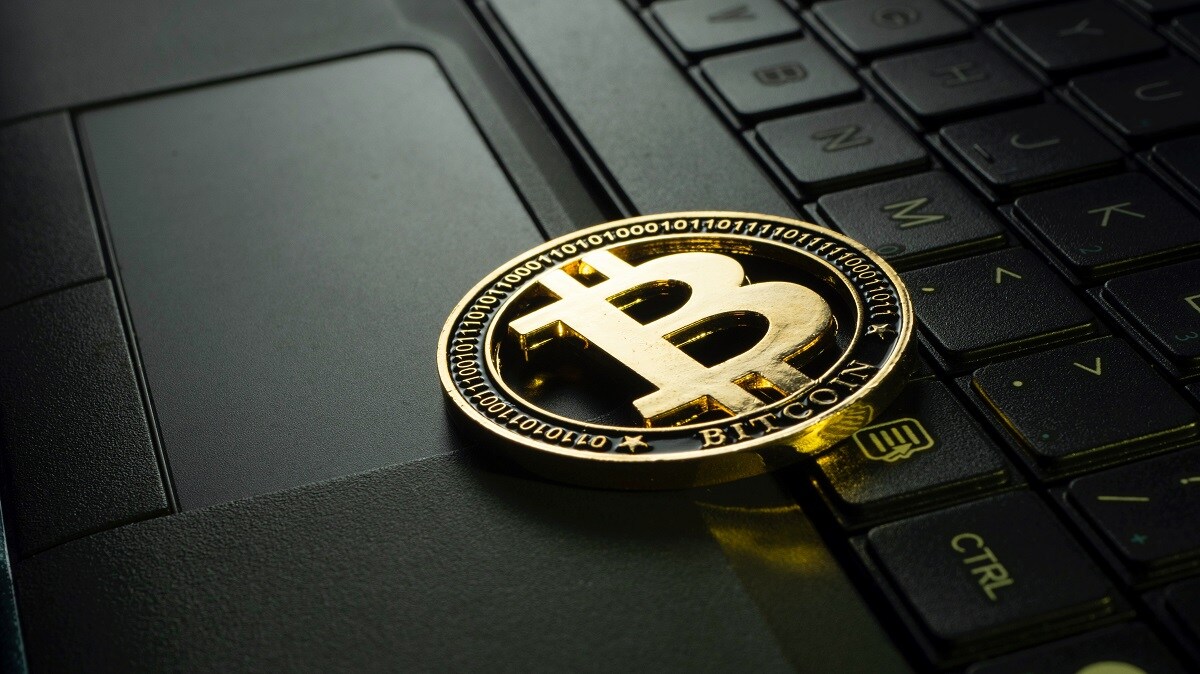
The soon-to-be-introduced central bank digital currencies, or CBDCs, can 'kill' whatever little case that exists for private virtual currencies like bitcoin, Reserve Bank of India's Deputy Governor T Rabi Sankar said on Thursday.
He also targeted stablecoins, which are pegged to a particular currency.
The comment comes ahead of the release of the government's consultation paper on cryptocurrencies.
RBI has been vehemently opposed to cryptocurrencies like bitcoin, saying there is no underlying value for such instruments that are essentially speculative in nature. It has gone public with the same, even as the government has yet to make its stance clear.
Earlier this week, the Department of Economic Affairs in the Union Ministry of Finance had said it will soon be coming out with a paper on such private cryptocurrencies.
"...we believe that CBDCs could actually be able to kill whatever little case that could be for private cryptocurrencies," Sankar said while speaking at a seminar organised by the International Monetary Fund in Mumbai.
The RBI has been working "methodically" to introduce a digital rupee, he said. The central bank sees advantages like better currency management, reducing settlement risk in the system especially the interbank system, and as the best solution to cross-border payments.
The central bank's approach is a measured one as there is hardly any international experience in case of CBDCs and their impact on the banking system in terms of banks' ability to mobilise deposits, as well as impact on monetary policy transmission.
"We will go through the process of proofs of concept, then pilots and then a stage-wise introduction. We intend to learn as we go, as all of us realise the digital journey is precisely that, it's a journey that never has an end," he said.
A government and banking regulator-led process with the right vision and implementation can achieve social objectives more effectively, he said.
At a time when crypto enthusiasts are batting for stablecoins, Sankar said their "unquestioned acceptance" seems "puzzling".
"Yes, I've heard repeated central bankers trying to justify private currencies by arguing that we have changed, we actually have private money largely in the system. Now I'm sure they understand the difference between money and currency," he said.
Meanwhile, Sankar appealed to the IMF to take the lead in structuring the narratives around digital payment systems given the rapid changes in technology.
"I don't think everything that is happening is desirable or happening in the way it should. It is important that many countries understand these technologies while taking their policy decisions," he said. "In this respect, I would expect the IMF will take a leading role in clearing the narrative, whether it's in respect of CBDCs or cryptocurrencies."
Essential Business Intelligence, Sharp Market Insights, Practical Personal Finance Advice, Daily Fuel, Gold and Silver Prices and Latest Stories — On NDTV Profit.