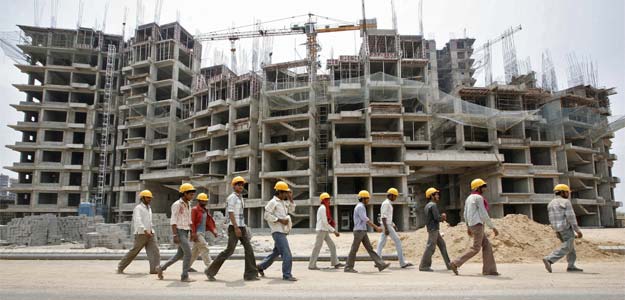
New Delhi: Rating agency Fitch said on Tuesday that easing of foreign direct investment (FDI) rules in the realty sector would improve the liquidity situation of developers and boost supply but could also result in increased price competition among them.
On October 29, the Cabinet had relaxed FDI rules in construction sector by reducing minimum built-up area as well as capital requirement and easing the exit norms.
"Relaxation of rules on foreign direct investments into India's property development sector, will improve developers' liquidity and speed-up project-turnaround times, but may also increase competition," Fitch Ratings said in a statement.
Key amendments in the FDI ruled include allowing foreign developers to invest in smaller property development projects - with a minimum floor area of 20,000 square metres compared to 50,000 square metres earlier.
The minimum foreign investment threshold was also lowered to $5 million per project from $10 million previously.
"These moves may encourage more foreign developers to tie up with their domestic counterparts, which will improve domestic developers' liquidity and speed up project turnaround times," it added.
On the flipside, Fitch said the relaxed rules will also mean a higher supply of property projects and more price-competition among domestic developers, which will pressure profit margins.
"Thinner margins will reduce the cushion available to developers to cut prices and spur demand during economic downturns."
In a more competitive environment, Fitch noted that factors like developers' track record of executing projects and on-time deliveries will become important differentiators for consumers.
In India, the rating agency said the property projects typically have long gestation periods compared to peers in a number of other Asian markets, resulting in higher leverage and weaker liquidity for most developers.
"Indian developers' average working capital cycles can be as long as five to six years, and with leverage (defined by Fitch as net debt/adjusted inventory) as high as 100 per cent," it added.
Comparatively, most Chinese property firms have average working capital cycles of less than two years, with leverage typically well below 50 per cent.
"Indian developers' limited access to capital compared to Chinese peers, and India's slower approval processes for the purchase and development of land parcels are mostly to blame," the agency noted.
Essential Business Intelligence, Sharp Market Insights, Practical Personal Finance Advice, Daily Fuel, Gold and Silver Prices and Latest Stories — On NDTV Profit.