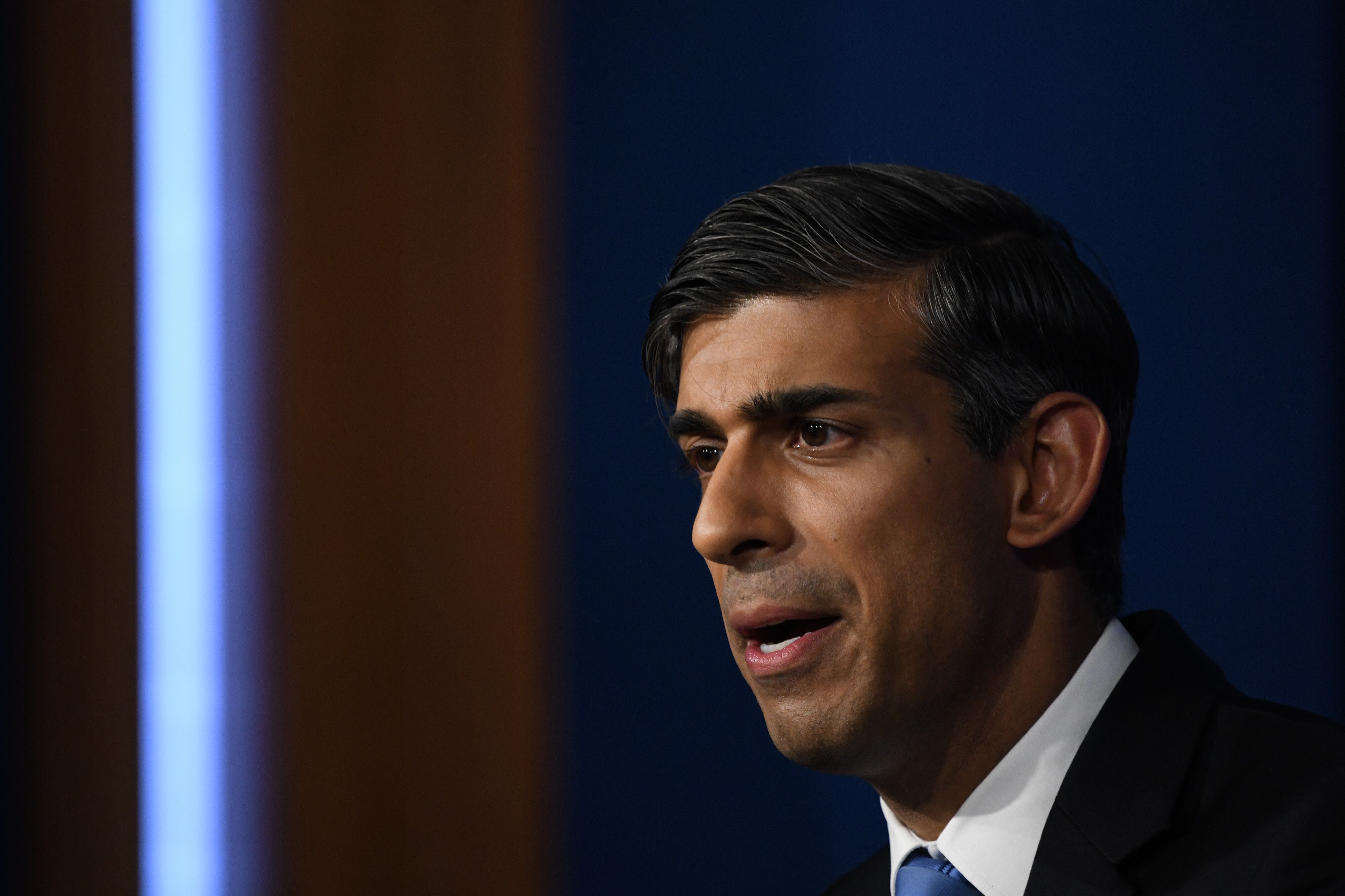
(Bloomberg) -- UK Prime Minister Rishi Sunak said world leaders should hold back from regulating artificial intelligence before they've fully understood the rapidly developing technology, even as he outlined a host of risks it poses.
In a speech on Thursday outlining the threats posed by AI, Sunak said that if developers get the technology “wrong,” it could enable terrorists to “spread fear and destruction,” make it easier to build chemical and biological weapons, facilitate cyber-attacks, fraud and child sexual abuse, and even pose a risk to humanity itself. Nevertheless, he urged restraint when it comes to governing the technology's development.
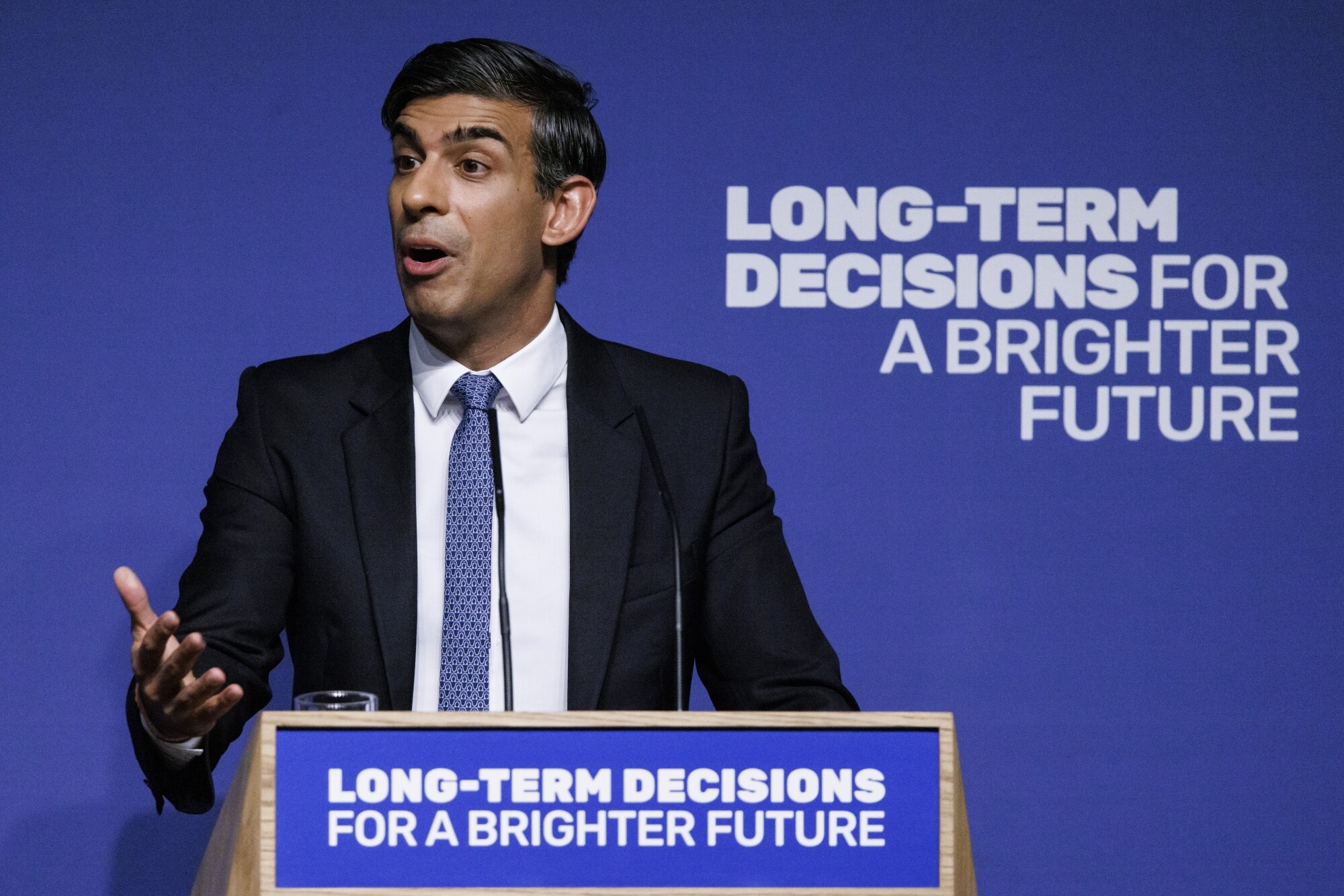
“We shouldn't be in a rush to regulate,” the premier told reporters after delivering his speech in London. “It's hard to regulate something if you don't fully understand it.”
Instead, Sunak announced Britain would set up what he described as the “world's first AI safety institute,” designed to test new forms of the technology to see what it's capable of. But because the UK “cannot do this alone,” he said he would use a global AI summit he's hosting next week near London to propose an international panel to publish a “state of AI science report.”
“Every new wave will become more advanced, better trained, with better chips, and more computing power,” Sunak said of AI. “So we need to make sure that as the risks evolve, so does our shared understanding.”
The prime minister is trying to position Britain at the cutting edge of a technology that has the potential to transform the global economy, and he also outlined potential benefits he said it could bring to areas such as diagnosing medical conditions and increasing productivity in the civil service.
Sunak is preparing to host global leaders and business executives in Bletchley Park, north of London next week, to begin establishing guardrails to protect against AI. Ahead of Thursday's speech, his government published three documents setting out how the risks and benefits of the technology — with far more attention given to the dangers it poses.
While saying he didn't want to be “alarmist,” Sunak warned that “in the most unlikely but extreme cases, there is even the risk that humanity could lose control of AI completely” through what's known as “super intelligence.”
“Mitigating the risk of extinction from AI should be a global priority alongside other societal-scale risks such as pandemics and nuclear war,” he said, before adding: “this is not a risk that people need to be losing sleep over right now.”
One of the UK government reports, which will serve as a discussion paper at the summit, fleshed out the sort of “existential threat” AI could pose by gaining control of weapons or financial systems. The documents published by the Department for Science, Innovation and Technology also set out how AI's impact on labor and financial markets “could cause social and geopolitical instability.”
In the nearer future, generative AI could potentially enhance scams, impersonation and child abuse — trends most likely to manifest and to have the highest impact by 2025, according to the documents.
The technology also poses risks to political systems and democratic engagement in institutions, and could boost terrorist capabilities in propaganda, radicalization, recruitment, funding, weapons development and attack planning, according to the documents, which have been reviewed by a panel of external experts including one of the godfathers of AI, Yoshua Bengio.
The report also cautions that open-source AI models accessible to most or all users increase the risk of the technology being misused by bad actors.
Sunak is expected to be joined at next week's summit by host of executives including former UK Deputy Prime Minister Nick Clegg, now president of global affairs at Meta Platforms Inc. as well as James Manyika and Demis Hassabis, from Alphabet Inc.'s Google and DeepMind Technologies Ltd. Italian premier Giorgia Meloni is the only other Group of Seven leader due to attend so far, with US Vice President Kamala Harris and commerce secretary Gina Raimondo also due to join. Some 100 people from 28 nations are expected to attend.
More stories like this are available on bloomberg.com
©2023 Bloomberg L.P.
Essential Business Intelligence, Sharp Market Insights, Practical Personal Finance Advice, Daily Fuel, Gold and Silver Prices and Latest Stories — On NDTV Profit.