(Bloomberg) --
UK consumers are being urged to brace for inflation getting worse before it gets better as soaring costs force retailers to keep raising prices.
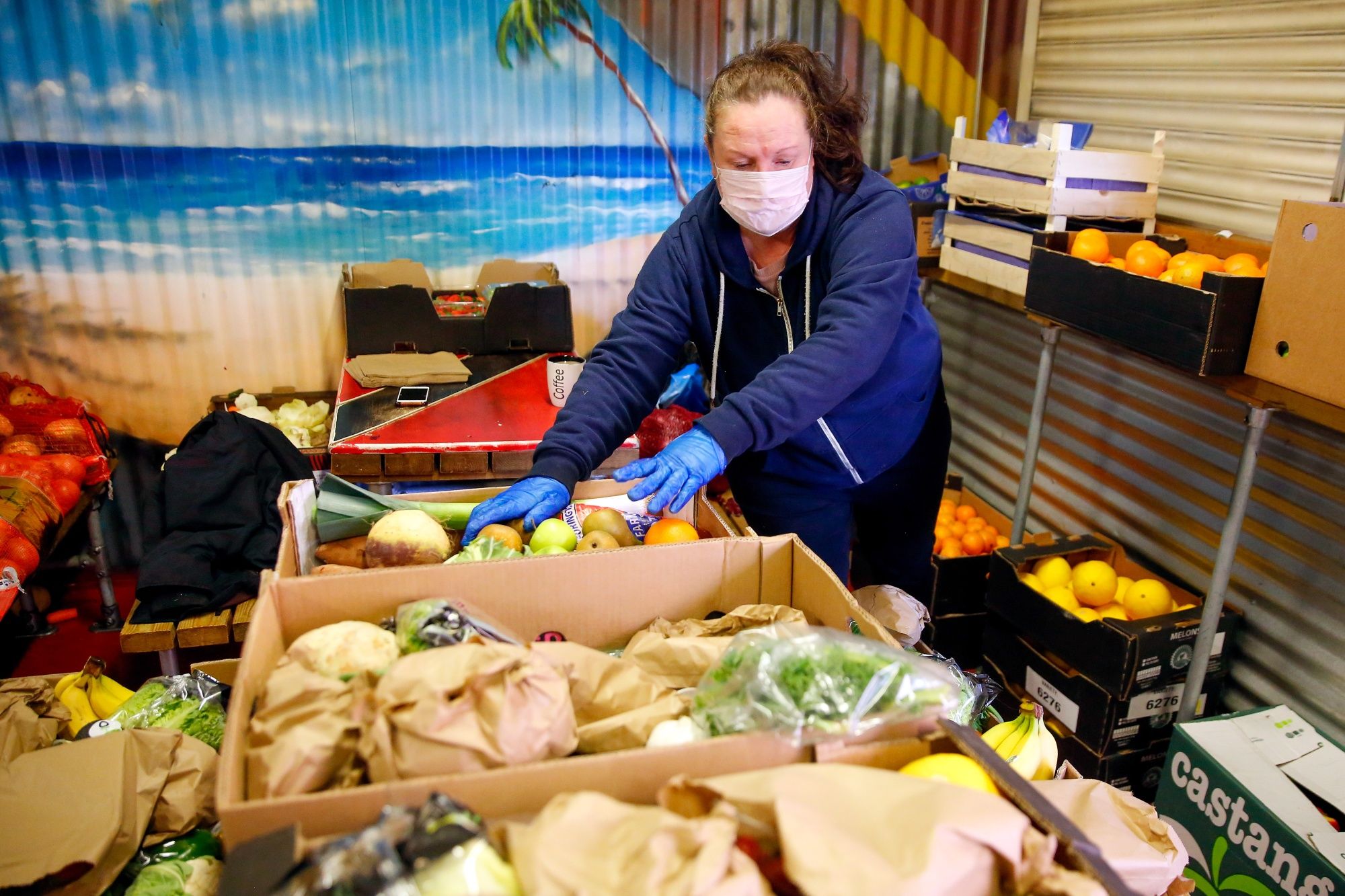
The bleak warning came in a survey by the British Retail Consortium, which said fresh food prices are now rising at their fastest pace in decade.
The findings add to concerns about the impact the cost of living crisis is having on the poorest households, which spend almost all of their income on food, energy and other essentials. Bank of England Governor Andrew Bailey has said that the surge in food prices could have “apocalyptic” consequences.
The crisis has been made worse by the war in Ukraine, which has created shortages of key inputs such as wheat, fertilizer and animal feed. With domestic energy bills set to surge again in October, the government has announced billions of pounds of extra support to help households weather the cost of living storm.
The BRC said fresh food jumped 4.5% in the year through May, driven by items such as poultry. Oerall shop-price inflation reached an 11-year high of 2.8% with no immediate relief in sight for hard-pressed families, according to the BRC's report published Wednesday.
“With little sign that the cost burden on retailers will ease any time soon, they will be left with little room for maneuver, especially those whose supply chains are affected by lockdowns in China and the war in Ukraine,” said Helen Dickinson, chief executive of the BRC. “While many people will welcome the government's latest announcement of support, uncertainty in the future of energy prices means they may only provide temporary respite.”
A separate survey from the Institute of Directors found executives more pessimistic than at any time since October 2020 with more than a fifth of firms now planning to reduce investment in the next year.
Kitty Ussher, chief economist at the business lobby group, blamed growing concerns about inflation and the post-Brexit difficulties many companies are experiencing in trading with the European Union.
The jump in food-price inflation from 3.4% in April shows that retailers “can no longer absorb the full extent of increased supply-chain costs now hitting the industry,” said Mike Watkins, head of retailer and business insight at NielsenIQ, which produces the figures with the BRC.
The BRC survey tracks the price of basic goods sold in shops. The official consumer-price inflation rate, which covers a wider range of products and includes services, is already at a 40-year high of 9% and set to go higher.
More stories like this are available on bloomberg.com
©2022 Bloomberg L.P.
Essential Business Intelligence, Sharp Market Insights, Practical Personal Finance Advice, Daily Fuel, Gold and Silver Prices and Latest Stories — On NDTV Profit.