Acknowledging that the availability of cash in the hinterlands is still far from normal, the Reserve Bank of India on Tuesday issued fresh directions to banks with currency chests, asking them to ensure that at least 40 percent of currency notes get supplied to rural areas.
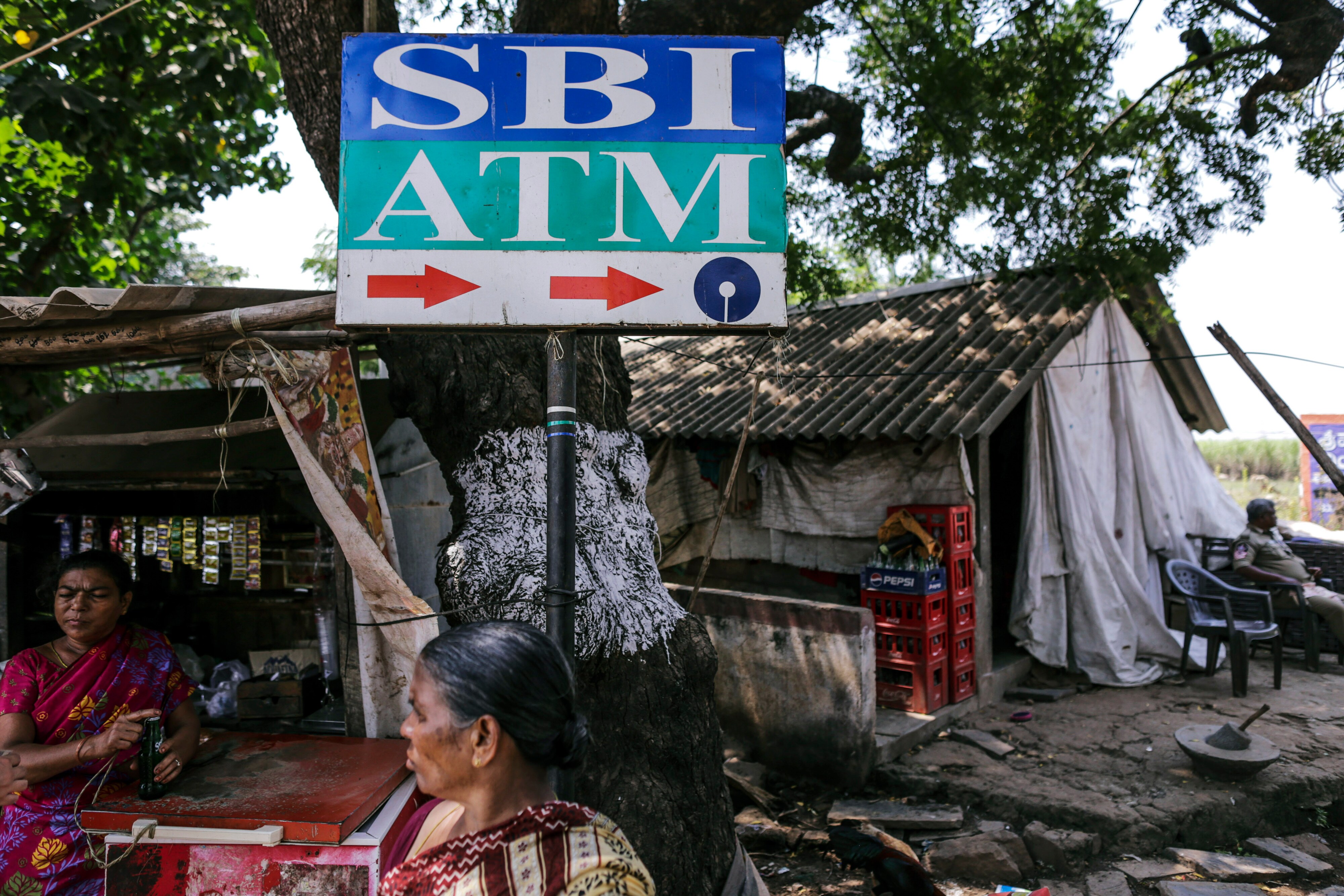
The central bank asked these banks to step up issuance of fresh notes to rural branches of commercial, cooperative and regional rural banks while also supplying currency to post offices and white label ATMs in rural regions on “priority basis”.
The RBI observed that notes being supplied to rural areas are “not commensurate” with the requirements of the rural population.
Further, the RBI asked banks to assess rural requirements for each specific districts according to the relative shares in CASA (current account saving account) deposits and the number of accounts and make allocations accordingly.
Accordingly, all chests operating in a district must issue bank notes to the above mentioned distribution channels in the indicated proportion. The indicated proportion may be maintained on weekly average basis at each chest level as it may be difficult to stick to the proportion on daily basis.RBI's January 3 Notification
The banking regulator also asked currency chests to report daily issuances of fresh notes to rural areas with a weekly summary to be sent every Friday. These summaries are to be forwarded to RBI's regional offices for review and monitoring.
“LOs (link offices) may monitor the daily reports to avoid lumpiness in issuances and to ensure that issuances are evenly [distributed],” the notification added.
The central bank also suggested that currency chests issue notes of lower denominations , preferably less than Rs 500.
In particular ATMs, including WLAOs (white label ATM operators), may be issued Rs 500s and Rs 100s and among ATMs category, off-site ATMs should be allocated higher proportion of cash as against on-site ATMs as they are more important in last mile currency connectivity. Existing stock of other denominations notes below Rs 100 should be issued liberally.RBI's January 3 Notification
The RBI's notification comes against the backdrop of a continuing shortage of currency in the system. Till December 19, the central bank had issued Rs 5.9 lakh crore in new currency across denominations. This is well below the Rs 15.4 lakh crore withdrawn due to the government's November 8 decision to scrap currency notes of Rs 500 and Rs 1,000.
While the government and the RBI have not given an estimate for the time period it will take to replace the entire stock of currency, bankers and economists have estimated that it will take until March to fully replenish the supply of notes.
In the interim, a withdrawal limit of Rs 24,000 per week from bank counters remains in place. Over the weekend, however, the ATM withdrawal limit was raised to Rs 4,500 from Rs 2,500 earlier.
Essential Business Intelligence, Sharp Market Insights, Practical Personal Finance Advice, Daily Fuel, Gold and Silver Prices and Latest Stories — On NDTV Profit.