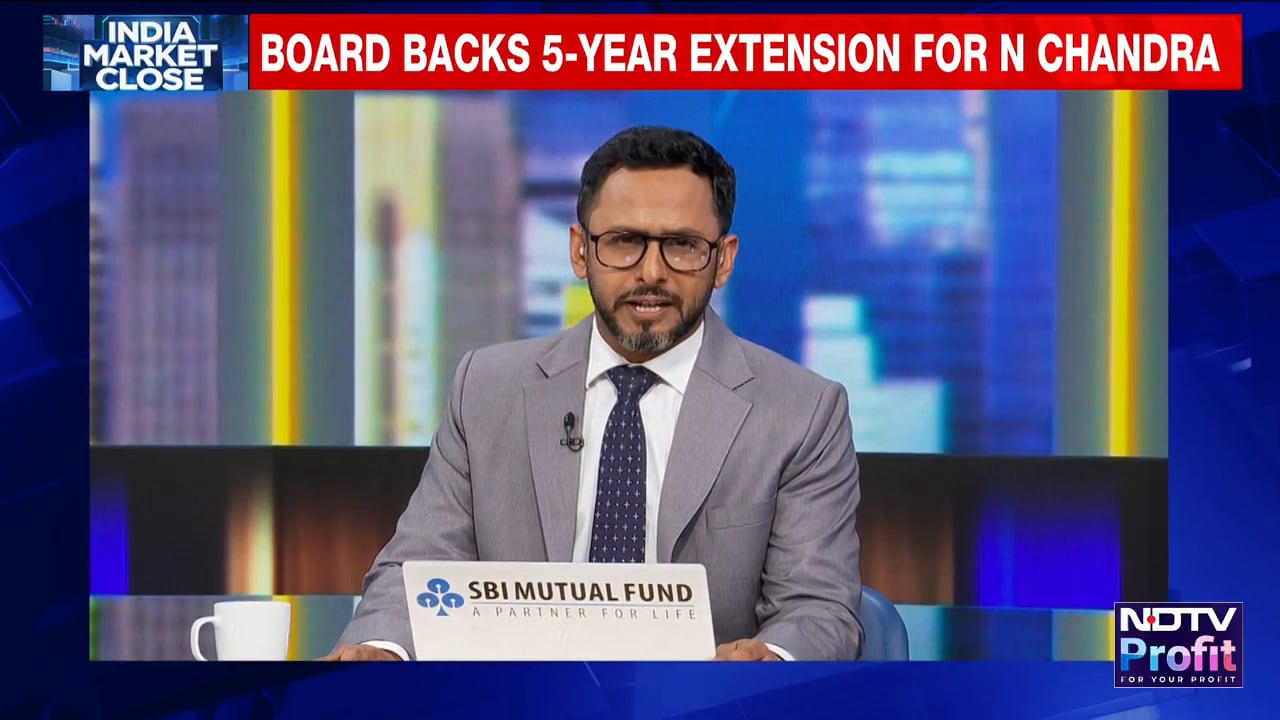
Over the last few months, two of India's top corporates have hogged the headlines for all the wrong reasons. The Tata-Mistry battle has been a no holds barred one. Cyrus Mistry, the erstwhile chairman of Tata Sons accused the company's board of poor governance in a myriad of ways, including the manner in which he was ousted from his post. In February, Infosys founder Narayana Murthy expressed his concerns over transparency and corporate governance at the country's second largest software services provider. Murthy, along with other co-founders, was unhappy with the compensation package of CEO Vishal Sikka and the severance package given to certain employees on their way out.
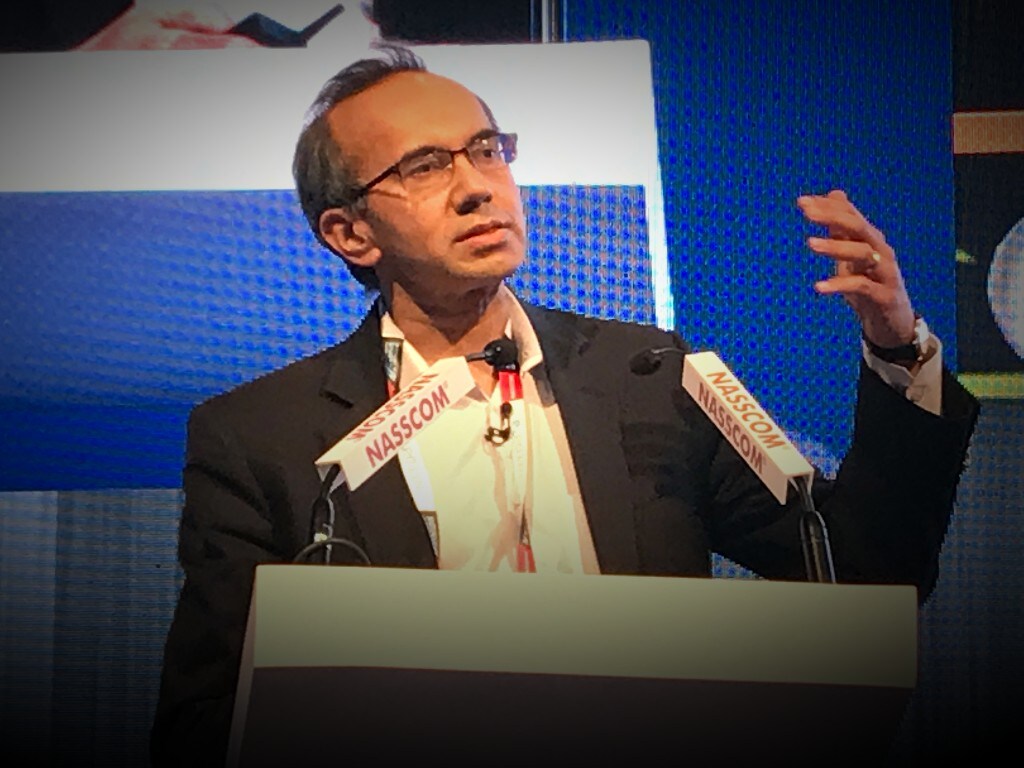
Tarun Khanna, Jorge Paulo Lemann professor at the Harvard Business School and director at Harvard University's South Asia Institute thinks this is a universal problem. In an interview to BloombergQuint, he said: “I would resist the characterisation that this is somehow more of an Indian or developing country trait. Even in my own backyard you see plenty of instances of not letting go of power or of letting go of power too early.”
He believes that such circumstances arise at companies when there is ambiguity on what the right the right course of action is at a particular point in time.
Also Read | Layoffs Are Rising In Tech, But These Skills Are Helping People Unlock Better Pay
You have to, when you are operating in a boardroom setting under high pressure and high stakes , learn to accommodate different points of view. Occasionally, it's a human thing that it spills out into the public and then it's the habit of the press to make a lot of noise about it, partly productively and partly less productively. My view is that I hope it kind of fades away from public attention, so the underlying issues are dealt with.Tarun Khanna, Professor, Harvard Business School
Khanna is confident—since he personally knows the protagonists in both corporate sagas—that although they may have different views, eventually they will do what's best for all stakeholders and society at large.
Khanna also touched upon the uncertainty caused by the Brexit vote and President Trump's policies. He said: “I would confess at being super surprised at Brexit and Mr Trump's unlikely rise. I'd also confess that I am not a fan of either.” However, he does point out that whilst Trump's immigration policy might be a cause for concern among Indians, it will also release pent up resources that can be used by the country in productive ways instead.
Khanna has spent over two decades at HBS teaching courses on international business, strategy and corporate governance to students and senior executives from around the world. And he still strongly believes that the liberal arts should be encouraged, especially in a country like India where vocational training is focused on instead. "I think liberal arts gives you a wide angle aperture on society as opposed to something incredibly focused and excellent. I view myself as very lucky as having stumbled onto that, moving to Princeton, U.S. from Bangalore at the time. It's an ongoing tragedy that it's hard to communicate the value of that especially in developing countries...”
Essential Business Intelligence, Sharp Market Insights, Practical Personal Finance Advice, Daily Fuel, Gold and Silver Prices and Latest Stories — On NDTV Profit.