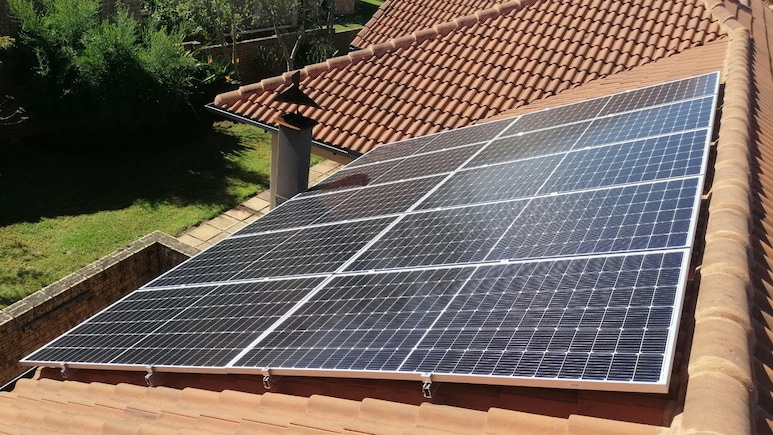
- India aims to install rooftop solar in 10 million homes by 2027 under PMSGY scheme
- Over 4.3 million homes have rooftop solar, supplying 22% of peak electricity demand in May 2026
- Only 5% of registered households have completed installations due to paperwork and financing issues
India's energy sector is undergoing a seismic transformation; rooftop solar, once a distant goal, is finally becoming a reality, thanks to key policies such as the Pradhan Mantri Surya Ghar: Muft Bijli Yojana.
PMSGY is focused on the residential/domestic tariff category of consumers, who largely contribute to the cross-subsidy and/or tariff subsidy provided by the respective state government. But as someone who has spent decades working in India's power sector, I know that unless we turn policy ambitions into real, on-the-ground results, for everyone, not just a few, the rooftop solar revolution will fall short. We must achieve this while making sure distribution companies (discoms) remain financially stable.
India's rooftop solar journey is a story of high hopes and real-world hurdles. The PMSGY, launched in early 2024, aims to install rooftop solar in 10 million homes by 2027. The early numbers are impressive: over 14 million registrations, 2.6 million applications, and a residential solar growth rate that has almost doubled since the scheme began.
Also Read | Layoffs Are Rising In Tech, But These Skills Are Helping People Unlock Better Pay
Today, over 4.3 million Indian homes have rooftop solar with a total capacity of 15 GW+ under PMSGY, putting us close to countries like Australia. In May 2026, rooftop solar supplied 22% of India's record 270.7 GW peak electricity demand.
But look closer, and challenges remain. Despite huge interest, only about 5% of those who signed up have finished installations. To meet our 10 million target, India needs to add about 400,000 new rooftop systems every month for the next year, something we have never done before.
From Policy Momentum to Real-World Roadblocks
The problem is not demand. Industry estimates show 57% of households know about rooftop solar, and more than half of previously unaware families say they would consider installing it if they had the right information. The real issue is turning interest into action.
What holds people back? Mostly, it's complex paperwork, confusing financing, inconsistent vendor quality, and slow net-metering approvals. In cities like Delhi, the situation is tougher: many live in rented homes or apartments with shared rooftops with no clear roof rights, so they miss out. As a result, families with time and resources get most of the benefits, while others are left behind.
ALSO READ: India Solar Exports Hit By Steep US Duties, Combined Tariffs Cross 249%
Discoms Face New Pressures
For discoms, this surge in rooftop solar is both a win and a challenge. On the positive side, rooftop solar helps reduce losses, cuts pressure on the grid during peak times, and supports renewable targets. But the current net metering setup, where consumers (especially high consumption non-domestic & industrial tariff consumers) balance their grid use with their own solar power, reduces the cash inflow for discoms, which is vital for maintaining the grid and supporting low-income families.
Our research in Delhi, and similar findings across India, show that high-usage, high-income households benefit most from net metering by lowering their bills, while the rest of the low consumption & low income (LCLI) grid users end up without the solar benefits, mainly because either they have no solar-ready roofs or no resources for purchasing rooftop solar systems.
The LCLI segment of consumers are the main recipients of cross-subsidy as well as state government's tariff subsidy towards free electricity as applicable. If this imbalance isn't fixed, it could hurt the financial stability of discoms, increase the state's tariff subsidy burden, increase the retail tariff of cross-subsidising consumers and weaken India's entire power network.
A Clear Plan for Fair, Widespread Solar Adoption
India now needs to update its policy approach, one that supports fair access, keeps the grid stable, and ensures discoms can stay afloat. Here's what must happen:
- Update Net Metering and Tariff Rules: The time has come for flexible models, like tariffs that change based on the time of day, encouraging battery use coupled with rooftop solar system in hybrid mode, and paying solar exporters a fair but realistic rate. This helps both consumers and discoms.
- Make Solar Accessible for All, Not Just Owners: Cities have many renters and shared roofs. Solutions like group or virtual net metering and even peer-to-peer solar trading (being tested in Delhi) can let more people join in. Digital platforms should allow anyone to take part in solar projects and earn green credits, even if they don't own a roof.
- Support Consumers With Better Guidance and Lending: At BSES, our "Solarise Dwarka" campaign, Virtual and Group Net metering frameworks, online net metering systems, and mobile apps have shown that clear communication and simple processes get results. Financial education and special lending options, especially for small users and the under-served, are key to closing the affordability gap. Under PMSGY scheme, Delhi is poised to usher in rooftop solar revolution especially focused on LCLI consumer segment. This shall help reduce state government tariff subsidy burden, reduce cross subsidy burden and discom's cost to serve the LCLI consumer segments.
- Create the Right Incentives for Discoms: Rooftop solar should not be a zero-sum game. Discoms should be able to act as active managers of distributed energy, not just suppliers, and should be paid for the grid services they provide. With robust policies and regulations, discoms can help manage battery storage, bundle solar power, and even run virtual power plants, making rooftop solar a true asset for the grid.
Turning Ambition Into Reality
India stands at a turning point. Rooftop solar can be either an exclusive benefit for a few, or the foundation for affordable, clean energy for all. Success depends on closing the gap between bold policies and what actually happens on the ground, and on making discoms true partners in the process.
It's also important to recognise the role of collaborative platforms and industry events that foster dialogue and innovation in the sector. Events like Bharat Electricity, POWERGEN India and Indian Utility Week provide a vital space for sharing best practices, new technologies, and strategies for a cleaner, more resilient power sector.
The next steps are clear: updating policies for fairness and long-term strength, expanding access to rooftop solar for everyone, and supporting the people and organisations that power our cities and towns. If we succeed, rooftop solar will drive India's journey towards a more reliable, sustainable, and affordable energy future for all.
Abhishek Ranjan is the chief executive officer of BSES Rajdhani Power Ltd.
Disclaimer: The views expressed in this article are solely those of the author and do not necessarily reflect the opinion of NDTV Profit or its affiliates. Readers are advised to conduct their own research or consult a qualified professional before making any investment or business decisions. NDTV Profit does not guarantee the accuracy, completeness, or reliability of the information presented in this article.
ALSO READ: Allied Blenders Prices New Whisky 'The Indian Edit' On Par With Blenders Pride
Essential Business Intelligence, Sharp Market Insights, Practical Personal Finance Advice, Daily Fuel, Gold and Silver Prices and Latest Stories — On NDTV Profit.