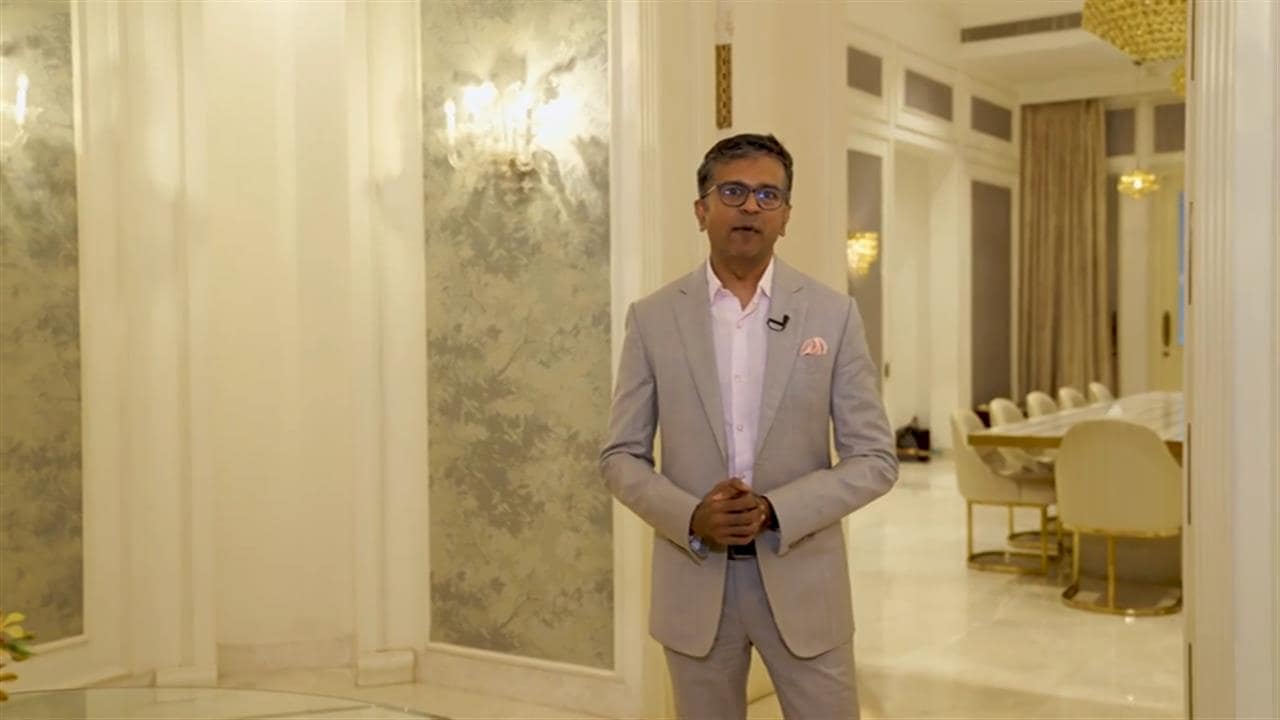
Former Reserve Bank governor D Subbarao on Thursday termed demonetisation of high-value currency notes as "creative destruction and the most disruptive policy innovation since 1991 reforms" that has helped destroy black money.
Demonetisation, in that sense, is creative destruction. But it is a very special type of creative destruction. Because what it has destroyed is a destructive creation -- black money. So, you can understand that demonetisation is creative destruction of a destructive creation.D Subbarao, Former Reserve Bank Governor
Subbarao was addressing an international conference organised by the Institute for Development and Research in Banking Technologies in Hyderabad.
He said the Prime Minister's decision to demonetise 86 percent of the currency in circulation overnight on November 8 is leading to a flurry of innovations in the Indian financial sector by way of digitisation of payments.
“There are two perspectives. Extension of a global trend of financial technology which is upending the finance industry and discontinuous change in a low-income country from a cash-incentive economy to a less-cash economy. Either way, we will have disruptive innovations in India's financial sector,” he said.
Subbarao said that though the cost and benefit of the demonetisation exercise is a very contentious debate, the subject of policy innovation is not contentious. According to him, the country witnesses a lot of disruptive innovations in finance in the payment system.
The model of traditional banking has access to low-cost deposits, giving it an advantage over other financial institutions, including fintech companies, according to the former governor. "That advantage is going to be neutralised by the business model of these fintech companies, which will beat (it) on efficiency, service and trust," Subbarao said.
The former RBI governor suggested the traditional banks should look at other avenues to compete by tying up with these companies or payments banks that are coming up. He urged regulators to promote innovation, protect consumers and preserve financial stability.
On the one hand, they (regulators) have to make sure the stability is preserved and on the other hand, they should regulate tightly that innovation is not scorched. This balance is a very difficult judgment callD Subbarao, Former RBI Governor
On microfinance, Subbarao said the model has benefited millions of low-income families in India, particularly in Andhra Pradesh (before the state was bifurcated).
He recalled that RBI was in a dilemma during the 2010 crisis on whether to regulate the interest rates of MFIs and, if so, what figure would be justified.
Essential Business Intelligence, Sharp Market Insights, Practical Personal Finance Advice, Daily Fuel, Gold and Silver Prices and Latest Stories — On NDTV Profit.