- Flipkart Minutes aims to grow quick commerce beyond metros with value-focused strategy
- The 1,000th fulfilment centre opens in Gorakhpur, expanding to over 130 cities
- Orders have grown fivefold, driven by store expansion and repeat customer focus
Flipkart is positioning its quick commerce vertical, Minutes, around value and ecosystem leverage as it scales beyond metros, with executives pointing to strong adoption among its existing customer base.
The company will open its 1,000th fulfilment centre this week in Gorakhpur, capping a rapid rollout that now spans more than 130 cities. The expansion is being driven as much by depth in large cities as by a push into smaller markets.
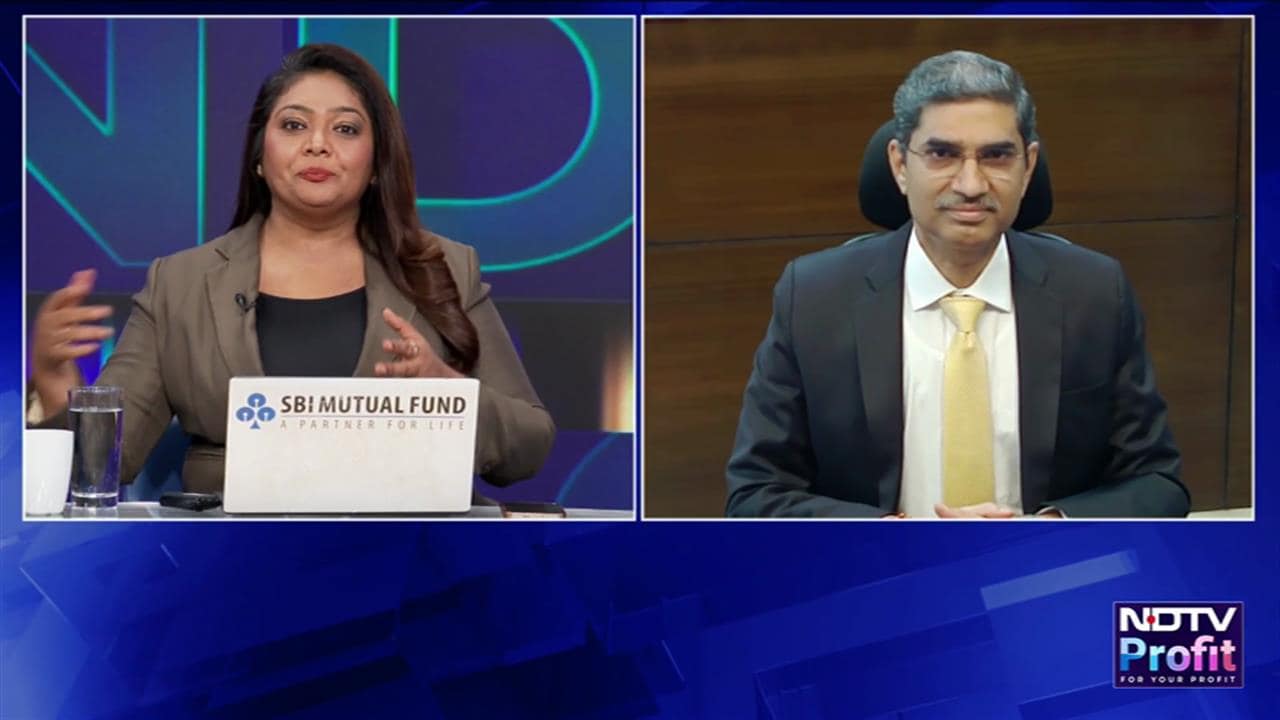
In an interview, Hemant Badri, SVP and Head, Supply Chain, AI Transformation, New Business, Customer Experience and ReCommerce, Flipkart Group and Kunal Gupta, SVP and Head of Minutes, said the strategy is anchored in Flipkart's 250 million annual active users.
Also Read | Layoffs Are Rising In Tech, But These Skills Are Helping People Unlock Better Pay
ALSO READ: India's Beauty Products Market Projected To Reach $39 Bn By 2030: Report
"We want to solve for our large existing customer base," the executives said, adding that customer familiarity with Flipkart's core platform is translating into faster adoption of Minutes.
That integration is beginning to show in usage patterns. As customers adopt the service, transactions are rising across both Minutes and Flipkart's main marketplace. Orders on the platform have grown fivefold, supported by a mix of higher throughput at existing stores and expansion into new cities.
The company is adding 70 to 100 stores a month, with a stated focus on building scale without losing sight of repeat usage. "Core focus is driving retention and repeats," the executives said.
Flipkart's positioning in quick commerce is also being framed around value rather than pure convenience. Executives said the larger objective is to "solve for value grocery for India," with pricing, assortment and formats designed to appeal to a broader base of households.
This becomes more pronounced outside metros. While large cities continue to drive high-frequency, convenience-led usage, smaller markets are showing a different pattern.
In metros, users tend to place multiple orders a day, often for immediate needs. In Tier 2 and Tier 3 markets, purchases are more planned, with higher average order values and greater emphasis on savings.
ALSO READ: Flipkart Group CFO Sriram Venkataraman Steps Down As IPO Plans Gain Pace
That is reflected in product behaviour as well. Basket-based saver plans, which incentivise larger purchases, are seeing stronger uptake in these markets, reinforcing the distinction between convenience-led and value-led consumption.
Executives said the next phase of growth will come from "solving for larger India," with strong early response from smaller cities shaping expansion priorities. The playbook, they indicated, is calibrated to these differences in behaviour rather than a one-size-fits-all model.
Sustainability, they added, is being treated as a core growth parameter, alongside scale and customer retention, as the company builds out the network.
For Flipkart Minutes, the bet is that a combination of reach, repeat usage and value positioning will help it sustain momentum as quick commerce evolves into a wider retail channel.
"The larger problem statement we want to solve is providing value for customers."
Essential Business Intelligence, Sharp Market Insights, Practical Personal Finance Advice, Daily Fuel, Gold and Silver Prices and Latest Stories — On NDTV Profit.