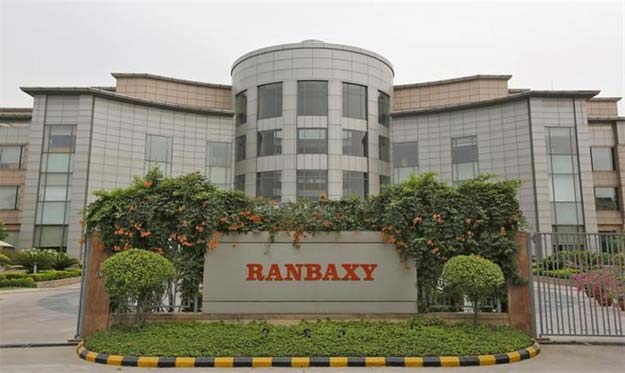
During a visit to a facility of leading drugmaker Ranbaxy Laboratories Ltd last year, U.S. inspectors found that a black fibre embedded in a tablet may have been a hair from an employee's arm, according to documents seen by Reuters.
That and other quality concerns led the U.S. Food and Drug Administration to impose an "import alert" on its Mohali plant last week, saying the factory owned by India's biggest drugmaker by sales had not ensured manufacturing quality.
Ranbaxy, which is 63.5 per cent-owned by Japan's Daiichi Sankyo Co and gets more than 40 per cent of its sales from the US, did not immediately respond to a request on Wednesday for comment on the FDA observations.
Also Read | Layoffs Are Rising In Tech, But These Skills Are Helping People Unlock Better Pay
The FDA's action has dealt another blow to an Indian generic drug industry battered by a rash of American regulatory rebukes and as U.S. demand for generics grows, especially under President Barack Obama's new healthcare programme.
The import alert issued to Ranbaxy prohibits it from making FDA-regulated drugs at the Mohali facility and selling them in the United States until its methods, facilities and controls are in compliance with good manufacturing standards.
The unexpected import ban on the Mohali facility sent shares in Ranbaxy plunging by one-third on Monday, and comes just a few months after it pleaded guilty to U.S. felony charges related to drug safety and agreed to $500 million in fines.
It brings under sanction all three of Ranbaxy's plants in India dedicated to supplying the United States, and followed FDA inspections in September and December last year.
During one of the inspections, the FDA concluded that a black fibre embedded in a tablet was likely either "tape remnants on the nozzle head of the machine or a hair from an employee's arm that could be exposed on loading the machine", the documents showed.
Ranbaxy had said on Tuesday it would review the details of the FDA import alert and take "all necessary steps to resolve the concerns" at the earliest.
"The USFDA had conducted inspections at Ranbaxy's Mohali facility in 2012, resulting in certain observations," Ranbaxy said in the statement. "The company believes that it has made further improvements at its Mohali facility ... and remains committed to addressing all concerns of the USFDA."
LATEST BLOW
The Mohali plant, in Punjab, had not been making U.S. exports since last November, when it voluntarily recalled its generic version of cholesterol-lowering drug Lipitor in the United States due to the potential presence of glass particles in certain batches.
The FDA's ban of U.S. shipments from the Mohali plant was unexpected as the facility is relatively new and accounted for 50 per cent of new generic drug filings by Ranbaxy, said Sarabjit Kour Nangra, a sector analyst at Angel Broking.
The latest action against Ranbaxy came months after the FDA imposed an import ban on one of the plants of Wockhardt Ltd after inspectors found torn data records in a waste heap and urinals that emptied into an open drain in a bathroom six metres from the entrance to a sterile manufacturing area.
Wockhardt chairman Habil Khorakiwala said this month the problem at its Waluj plant was "an inexcusable lapse, but we have taken swift and definitive action, both corrective and pre-emptive".
India produces nearly 40 per cent of generic drugs and over-the-counter products and 10 per cent of finished dosages used in the United States. In March, India allowed the FDA to add seven inspectors, which will bring its staff in India to 19.
In Ranbaxy's case, the FDA inspections in Mohali also found that a tablet was not within the specified weight limit, the FDA inspectors wrote.
Other findings by the FDA included use of dirty glassware, spots and abrasions on the surface of tablets and potential packaging line failure that resulted in unlabeled bottles sent to pharmacies.
The latest Ranbaxy import ban and a weak rupee may force Daiichi Sankyo to revise down full-year guidance when it announces first half earnings on October 31, Atsushi Seki, an analyst with Barclays Japan wrote in a report.
"It appears Ranbaxy still has problems that need to be resolved," Seki wrote.
Ranbaxy has lost half its value from its highest level in 2008, when it was first hit by an import ban.
Copyright: Thomson Reuters 2013
Essential Business Intelligence, Sharp Market Insights, Practical Personal Finance Advice, Daily Fuel, Gold and Silver Prices, Watch Business News Live and Latest Stories — On NDTV Profit.