Containing Coronavirus: NPCI Pushes Digital Payment Options To Discourage Social Contact
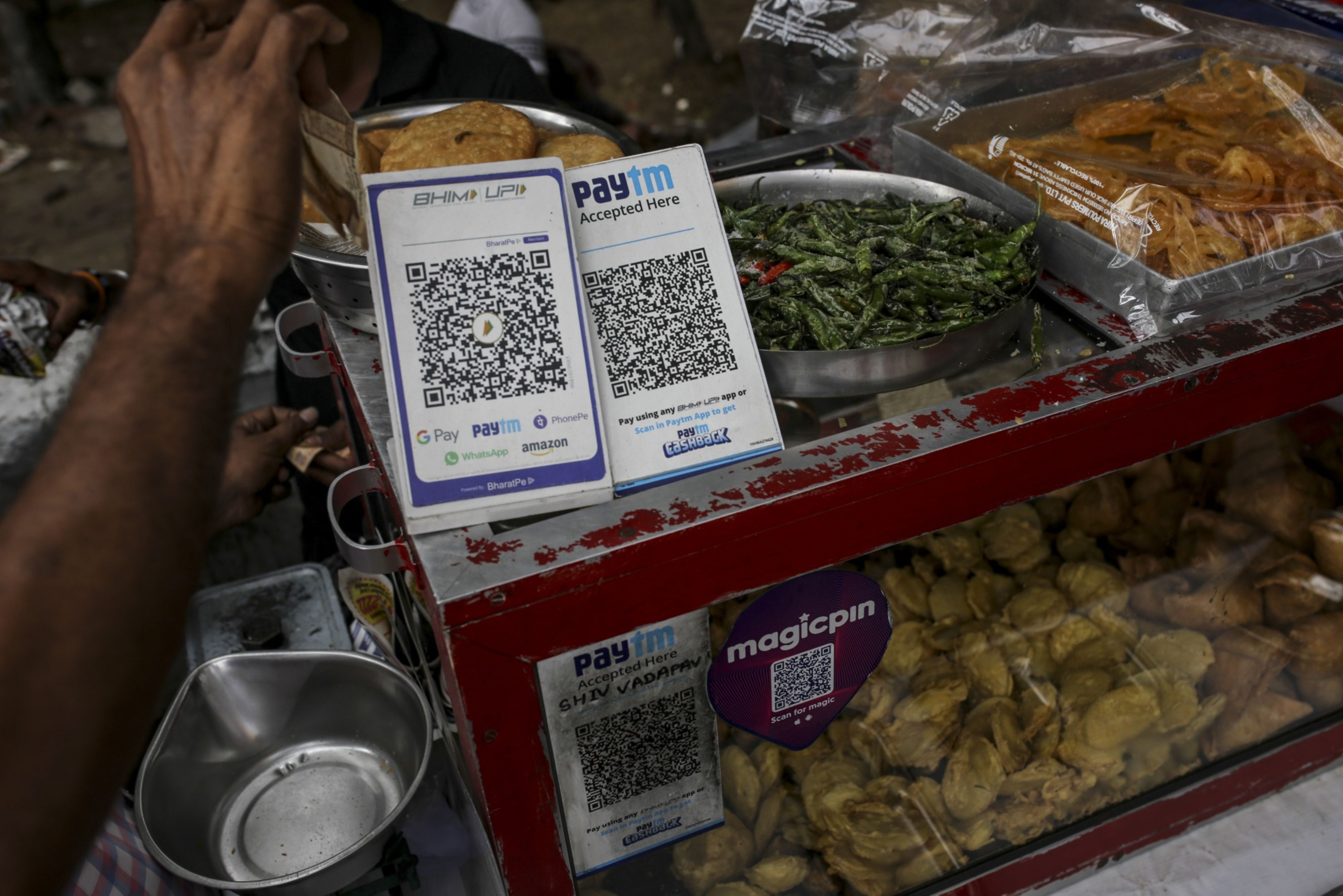
The National Payments Corporation of India is pushing digital payments as a way to reduce social contact and counter any concern of the novel coronavirus spreading via currency notes.
The local spread of the Covid-19 virus has widened with 324 cases detected as of March 22. In response, social distancing measures have been put in place by the central and state governments, including shutting of non-essential shops, malls and theatres.
To further reduce contact during day-to-day transactions, both the Reserve Bank of India and the NPCI are advocating the use of digital payments.
In a statement on March 16, the RBI said that digital payment options can be used to facilitate fund transfers, purchase of goods/services, payment of bills etc.
In the context of the efforts to limit the fallout of the coronavirus pandemic by avoiding social contact and visit to public places, public can use these modes of digital payment from the convenience of their homes through online channels like mobile banking, internet banking, cards, etc. and avoid using cash which may require going to crowded places for sending money or paying bills.Reserve Bank of India
The NPCI has since been promoting digital payment options to avoid social contact on social media.
From Prime Minister Narendra Modi to NPCI Chief Executive Dilip Asbe to business personalities like Mohandas Pai have been posting messages with hashtags like #IndiaPaySafe and #PaySafeIndia
This is the time to ensure Social Distancing.
March 22, 2020
Digital Payments help you do that. Let's listen to these stalwarts and adopt digital payments. #PaySafeIndia @NPCI_NPCIhttps://t.co/qsNcs0EhKIhttps://t.co/imtK8x98XThttps://t.co/yzKPHiXEvDhttps://t.co/TMuZdPqR2OA safe way to pay. A safer way to stay healthy. Use digital payment options and avoid social contact#IndiaPaySafe #UPIChalega #IndiaStaySafe #PaySafeIndia #IndiaFightsCorona @narendramodi @PMOIndia @NPCI_NPCI @amitabhk87 @rsprasad@nsitharaman @PiyushGoyal@DasShaktikanta pic.twitter.com/E4tU4E3ct8
March 18, 2020Research suggests that the virus can stay active on a number of surfaces ranging from metals to cardboard and paper. As such, currency notes, too, can carry a risk of transmitting it.
Flagging of the risk in a research note last week, Soumya Kanti Ghosh, chief economist at State Bank of India, cited studies which pointed to the risk of currency notes carrying disease carrying organisms. Most of the studies have limited sample sizes but many note high degree of contamination of currency notes.
Countries like the U.K., Australia and Canada have switched to polymer notes to reduce the risk of spreading infections through currency, Ghosh said. Therefore, the possibilities of usage of polymer notes in India should also be examined, he said.
For the time being, alternative mode of payments, including digital payments, coupled with incentives and benefits to encourage more and more people for adoption and acceptance of alternate mode of payments in the larger interest of health of the country needs to be encouraged further, Ghosh added.
In February, the Chinese government ordered for cash to be disinfected using ultraviolet or heat treatment. According to a Bloomberg report, China cut off the transfer and allocation of old bank notes across provinces, and between cities most affected by the deadly outbreak. The central bank also ramped up measures to sanitise old money to reduce contagion risks.

-
Indians Are Travelling, But Not Every Journey Is A Holiday | The Week In Whys

Pilgrims, patients and working women are the real travellers, and the system hasn't quite caught up with them.
-
Getting To Work Costs Women More | The Reason Why
It is not just about women paying more than men. It is about women paying much more in cities than in villages.
-
AI Bias In Investing Cannot Be Eliminated, But It Can Be Governed
Framing is a particularly important example as identical financial information presented in terms of gains rather than losses can lead an LLM to reach a different assessment.
-
Joining The Dots | Dark Skies, Steady Diya: Why Hope Holds This Diwali
With war, a weak rupee and foreign outflows weighing on sentiment, policymakers at the NDTV World Summit and market veterans at NDTV Profit Ignite: Diwali Edition offered the same advice: stay invested and filter out the noise.
-
The Curious Case of Equitas Small Finance Bank And A CEO Who Quit For Stock
PN Vasudevan believes persistent investor concerns over a perceived conflict of interest had become a governance overhang on Equitas Small Finance Bank's stock, even as the lender improved profitability and asset quality.
-
Talking Points This Week: AI Cash Burn, A Tiger Comeback And An India That Still Finds Its Own Path
India is not immune to higher oil or tighter global liquidity, yet its earnings base is broader, its domestic policy levers are still available.
-
Foreign Investors Own Half Of HDFC Bank and ICICI Bank. An LTCG Cut Could Matter Most Here
Foreign portfolio investors have US$115 billion parked in HDFC Bank, ICICI Bank. If the government cuts long-term capital gains tax, Jefferies says returning foreign money could land here first.
-
'Never Seen This Level Of Negativity': Sandeep Tandon Says The Next Rally May Be Closer Than You Think
Veteran investor Sandeep Tandon says foreign selling is easing, large-caps are due a comeback and mid-caps are crowded, while he turns positive on gold, power and pharma this Diwali.
-
Indians Stay With Family, Not In Hotels | The Reason Why
India still lacks enough clean, reliable and affordable hotels for budget-conscious travellers.
-
The Economic Imperative: Analysing The Material Driving Force Behind India-Canada Strategic Reset
This economic complementarity is further reinforced by deep institutional investment ties and talent mobility, which form the bedrock of the bilateral framework.










