- India may face a 30 GW non-solar power deficit through FY29 after sunset
- Electricity prices rose 82% above FY26 average, likely to stay high till FY29
- Coal India rated two stars; indirect benefit from increased thermal power demand
India could face a prolonged shortage of electricity after sunset, creating fresh opportunities for thermal power producers and coal suppliers. Bank of America expects the gap between electricity demand and available dispatchable supply to persist through FY29, even as new generation and storage capacity comes online.
In its November 13 report, Missing Megawatts: Case for Thermal & Storage, BofA estimated an average non-solar power deficit of nearly 30 GW. The shortfall spans around 70% of the day, when solar generation is unavailable or limited. Its assessment draws on electricity exchange bidding data from October 7 to November 6, 2026.
The pressure is already visible in market prices. Day-ahead market electricity prices averaged Rs 7 per unit over the past two months, 82% above the FY26 average. BofA expects prices to remain elevated at Rs 5-7 per unit through FY29.
Also Read | Layoffs Are Rising In Tech, But These Skills Are Helping People Unlock Better Pay
Why Coal India And NTPC Could Benefit?
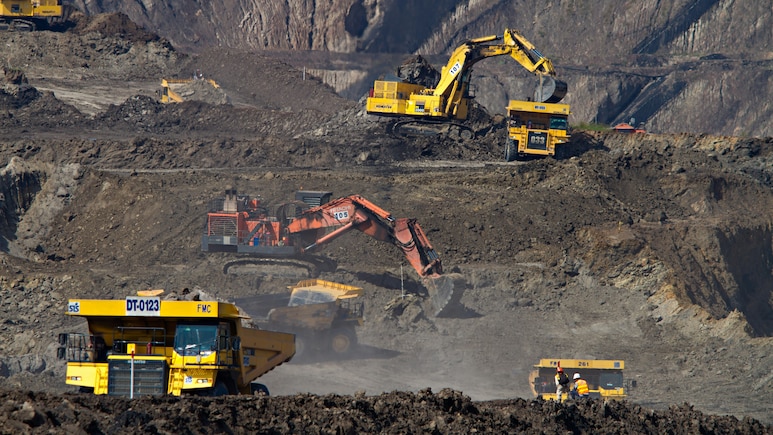
BofA expects higher thermal generation to support coal demand, potentially lifting dispatch volumes and e-auction demand for Coal India. The brokerage assigns the miner a two-star benefit rating, reflecting indirect exposure to the power shortage rather than the strongest earnings opportunity.
NTPC receives a three-star rating. The power producer could benefit from greater peak-hour generation, improved scheduling and incentives for operational flexibility. However, BofA sees merchant coal generators and battery or pumped-storage owners as the most direct beneficiaries, giving both categories five stars.
The report also highlights the scale of the supply challenge. Assuming annual electricity demand growth of 6%, BofA estimates the average non-solar deficit at 31.1 GW in FY27, 25.4 GW in FY28 and 23.6 GW in FY29. Peak shortages could remain around 40 GW.
READ | Mahanadi Coalfields IPO: Coal India Arm Files RHP For Public Issue
Storage Expansion May Not Close The Gap Quickly
Weak hydro generation has added to the pressure. Hydro output declined 15% year-on-year in Q2FY27, while thermal and nuclear generation increased 13% and 26%, respectively.
The government is encouraging storage and firm power procurement. Storage, firm dispatchable renewable energy and hybrid projects accounted for 63% of renewable auctions in the first half of FY27, compared with 11% for standalone solar.
A new viability gap funding scheme supports 30 GWh of battery storage and 60 GWh of pumped storage, with government funding rising to Rs 145 billion.
For Coal India and NTPC, the opportunity, therefore, lies in a grid that increasingly values reliable power after sunset. However, BofA's ratings suggest the earnings upside is more direct for merchant thermal and storage operators.
READ | How High Can Nifty Go? Here's What Three Global Brokerages See Ahead
Essential Business Intelligence, Sharp Market Insights, Practical Personal Finance Advice, Daily Fuel, Gold and Silver Prices and Latest Stories — On NDTV Profit.