- BBC to cut up to 2,000 jobs over two years to save £500 million
- Job cuts announced amid inflation and pressure on licence fee income
- Most reductions expected in fiscal year starting April 2027
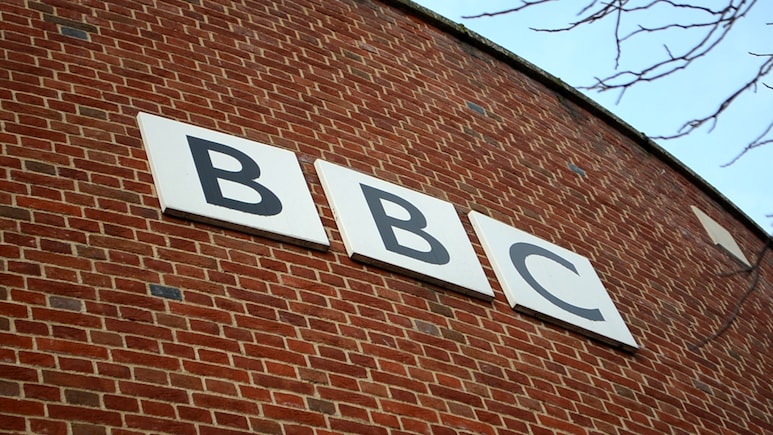
The BBC plans to cut up to 2,000 jobs over the next two years as part of efforts to save 500 million pounds ($677 million), or around 10% of its annual budget.
The job cuts, announced during a staff call on Wednesday, mark the broadcaster's biggest round of layoffs in more than a decade. In an email to staff, interim Director-General Rhodri Talfan Davies acknowledged the impact of the move.
“I know this creates real uncertainty, but we wanted to be open about the challenge,” Davies said.
Also Read | Layoffs Are Rising In Tech, But These Skills Are Helping People Unlock Better Pay
Also Read | Snap Layoffs: Snapchat Parent To Reduce Workforce Up To 20% — What We Know
He said the cuts were being driven by inflation, pressure on licence fee income, weaker commercial revenues and broader global economic turbulence.
The BBC had earlier warned that it faced “substantial financial pressures” and was looking to reduce about a tenth of its budget by 2029. Most of the job reductions are expected to take place in the fiscal year beginning April 1, 2027.
The cost-cutting push comes ahead of former Google executive Matt Brittin taking over as director-general next month.
Brittin is set to replace Tim Davie, while former news chief Deborah Turness also stepped down following controversy over a misleading edit in a documentary about a speech by US President Donald Trump on Jan. 6, 2021, before his supporters stormed the US Capitol.
Trump is suing the BBC for $10 billion in a defamation case.
The BBC remains one of Britain's most prominent and debated institutions. It is funded through an annual television licence fee, which recently rose to 180 pounds ($244) for households watching live television or BBC programming.
Also Read | Oracle California Layoffs: IT Giant Cuts 700 Jobs. Here's What We Know
Critics of the fee, including rival commercial broadcasters, have become more vocal as streaming services reshape viewing habits and more consumers move away from traditional television.
The centre-left Labour Party government has said it wants to ensure the BBC has “sustainable and fair” funding, though it has not ruled out replacing the licence fee with another model.
Founded in 1922 as a radio service designed to “inform, educate and entertain”, the BBC now runs 15 television channels in the UK, multiple international channels, 10 national radio stations, local radio networks, the global World Service and digital platforms including BBC iPlayer.
The BBC currently has about 21,500 full time equivalent employees.
Essential Business Intelligence, Sharp Market Insights, Practical Personal Finance Advice, Daily Fuel, Gold and Silver Prices and Latest Stories — On NDTV Profit.