(Bloomberg Opinion) -- Share sales pop up at Aston Martin Lagonda Global Holdings Plc almost as often as luxury sports cars roll off its UK production lines. A lot. Yet this week's latest £216 million pound cash call has a decidedly more upbeat flavor than those following its disastrous 2018 initial public offering.
Raising equity now (to repay expensive debt) is much less dilutive than it would have been a year ago. Aston Martin's shares have quadrupled since November amid excitement about its new lineup of high-priced sports cars and impressive performance on the Formula 1 race track.
With a cornucopia of deep-pocketed investors behind it — a consortium led by Canadian billionaire Lawrence Stroll, Chinese automaker Zhejiang Geely Holding Group Co., Saudi Arabia's Public Investment Fund and Mercedes-Benz Group AG together owns around two-thirds of the company — Aston Martin has its best opportunity in years to become reliably profitable and challenge Ferrari NV. But it's not there yet.
On a recent earnings call, Stroll declared the company's turnaround complete. But it will take more than words to convince fellow Aston Martin owners it has decisively turned a corner: The company has declared bankruptcy seven times in its 110-year history.
The stock languishes more than 90% below where it sold shares to the public in 2018; the share count increased on a split-adjusted basis to accommodate a succession of dilutive equity raises. This week's share placing brings the total equity raised since 2020 to around £1.8 billion ($2.3 billion).
But, whisper it quietly, things do seem better now. With former Ferrari boss Amedeo Felisa at the helm since last year, the company has dealt with a surfeit of cars at dealerships and focused on boosting exclusivity by selling cars at higher prices. The average price per vehicle sold (include special editions) increased to £212,000 in the first half of 2023, compared with less than £160,000 in 2020.
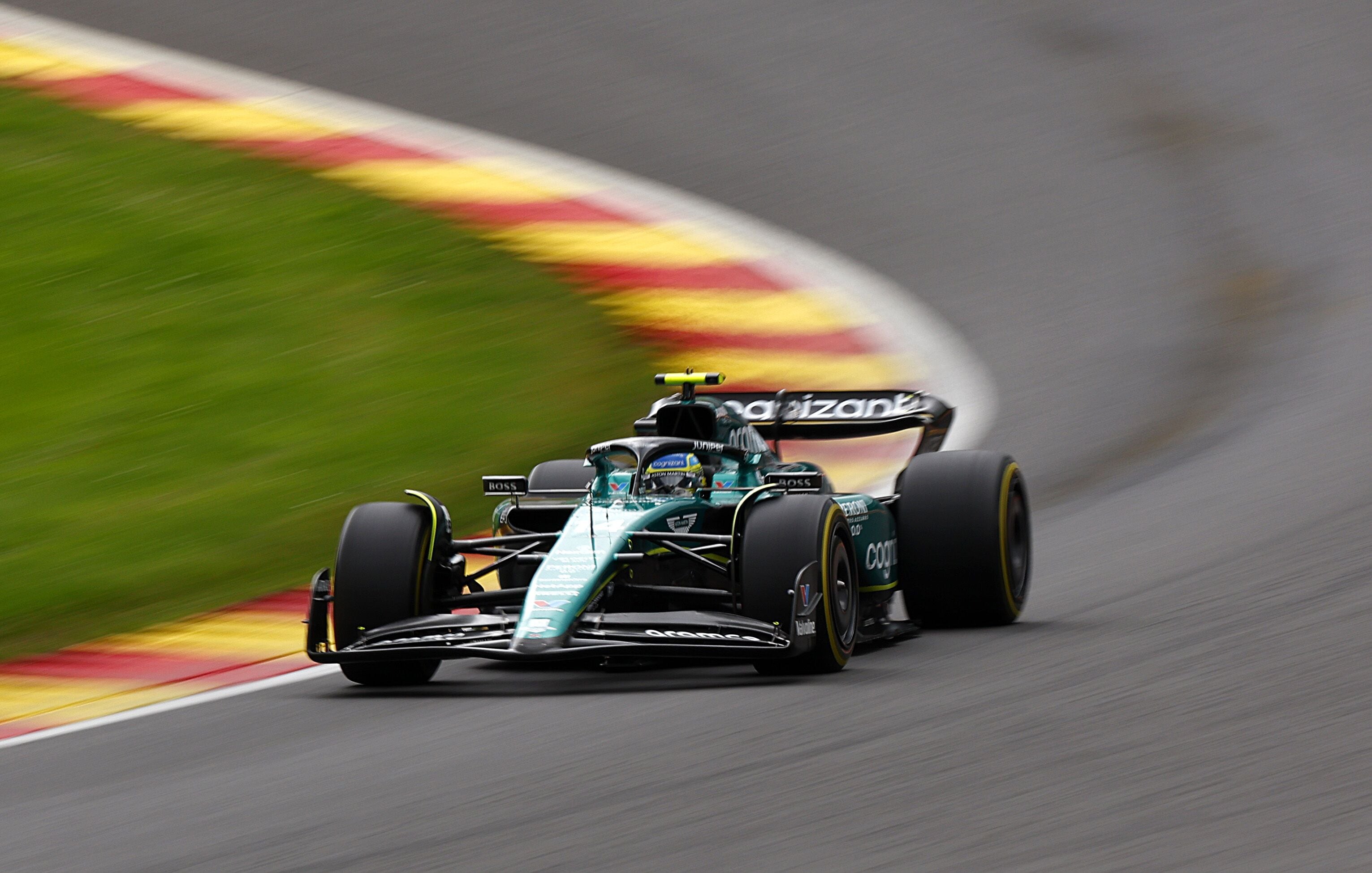
New higher-margin models like the DB12 have won rave reviews and racked up strong orders, while the DBX SUV has been a hit with US customers — some of whom are discovering the brand for the first time thanks to its successful association with F1 (Aston Martin is currently ranked third in the constructors' championship).
Aston Martin's business and capital markets performance remain well short of Ferrari, though, whose successful 2015 stock market listing encouraged premium automakers to aspire to the lofty valuations that fashion houses like Hermes International enjoy.
Unlike Ferrari or Tesla Inc., Aston Martin is very reliant on outside help — Mercedes-Benz supplies it with combustion engines and electronics, while Lucid Group Inc. recently agreed to provide electric-vehicle components. Even so, Aston Martin will still need to invest around £2 billion over the next five years so it needs to start making money. (Pretax losses were £142 million in the first six months of 2023; it held around £400 million of cash at the end of June, but much of that relates to deposits its customers pay in advance of receiving their vehicles.)
Using the cash raised this week to pay debts due in 2026 is a sensible move — those borrowings have an ugly 15% coupon. However, Aston Martin still has a ways to go to breakeven on an annual basis — analysts expect the business to consume around £220 million this year as it launches several new models.
Last month, the company explained at a capital markets event why its future should look a lot brighter, including a goal of generating positive free cash flow next year. Only once Aston Martin is reliably throwing off cash will shareholders dare to believe that dilutive share sales are a relic of the past.
More From Bloomberg Opinion:
- Rebel SBB Bondholders Have Picked a Tricky Fight: Chris Hughes
- A 69,000% EV Dilution Machine Runs Out of Road: Chris Bryant
- Tesla's Market Cap Rises the More Its Margins Fall: Liam Denning
This column does not necessarily reflect the opinion of the editorial board or Bloomberg LP and its owners.
Chris Bryant is a Bloomberg Opinion columnist covering industrial companies in Europe. Previously, he was a reporter for the Financial Times.
More stories like this are available on bloomberg.com/opinion
©2023 Bloomberg L.P.
Essential Business Intelligence, Sharp Market Insights, Practical Personal Finance Advice, Daily Fuel, Gold and Silver Prices and Latest Stories — On NDTV Profit.