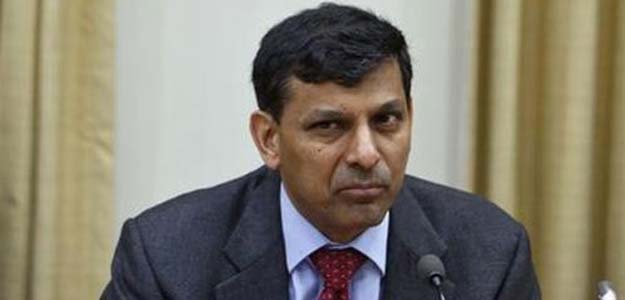
RBI chief Raghuram Rajan isn't likely to lower rates aggressively in 2016, economists say
Reserve Bank Governor Raghuram Rajan is expected to leave the repo rate steady at 6.75 per cent in Tuesday's monetary policy review, according to a Reuters poll.
Economists say Dr Rajan will keep an eye on the forthcoming Budget - particularly the government's fiscal deficit target - before taking any rate action. Dr Rajan warned on Friday against straying from the path of fiscal consolidation or relaxing the fight against inflation. The timing of Rajan's safety first message wasn't lost on analysts.
The government is due to deliver its Budget on February 29 along with plans on how it intends to stagger a 24 per cent increase in salaries and pensions for some 1 crore current and former government employees.
If the fiscal deficit stays within reason, then inflation trends over coming months could also favour hopes for lower interest rates.
RBI's last 50-basis-point cut in September took markets by surprise, but the central bank isn't likely to act as aggressively in 2016 because of a renewed uptick in food inflation, economists say.
The RBI wants annual inflation at 5 per cent by March 2017 but December was the fifth straight month when inflation ticked up.
"Inflation is likely to accelerate further," said Shilan Shah, economist at Capital Economics.
"Continued delays to the sowing of the rabi (winter) crop this season amid unusually warm temperatures are likely to push up food inflation over the coming months."
But India's economic growth has not been as robust as expected and could pressure the RBI to ease policy.
The government revised down its growth target for the current fiscal year to 7-7.5 per cent and said it was unlikely to be significantly greater the following year.
A status-quo on interest rates however will disappoint markets as private sector investment remains weak.
Economists say Dr Rajan will keep an eye on the forthcoming Budget - particularly the government's fiscal deficit target - before taking any rate action. Dr Rajan warned on Friday against straying from the path of fiscal consolidation or relaxing the fight against inflation. The timing of Rajan's safety first message wasn't lost on analysts.
The government is due to deliver its Budget on February 29 along with plans on how it intends to stagger a 24 per cent increase in salaries and pensions for some 1 crore current and former government employees.
If the fiscal deficit stays within reason, then inflation trends over coming months could also favour hopes for lower interest rates.
RBI's last 50-basis-point cut in September took markets by surprise, but the central bank isn't likely to act as aggressively in 2016 because of a renewed uptick in food inflation, economists say.
The RBI wants annual inflation at 5 per cent by March 2017 but December was the fifth straight month when inflation ticked up.
"Inflation is likely to accelerate further," said Shilan Shah, economist at Capital Economics.
"Continued delays to the sowing of the rabi (winter) crop this season amid unusually warm temperatures are likely to push up food inflation over the coming months."
But India's economic growth has not been as robust as expected and could pressure the RBI to ease policy.
The government revised down its growth target for the current fiscal year to 7-7.5 per cent and said it was unlikely to be significantly greater the following year.
A status-quo on interest rates however will disappoint markets as private sector investment remains weak.
Essential Business Intelligence, Sharp Market Insights, Practical Personal Finance Advice, Daily Fuel, Gold and Silver Prices and Latest Stories — On NDTV Profit.