- The Strait may become irrelevant as alternative export routes emerge within a year, says the economist
- About 20% of global crude passes through the Strait, linking the Persian Gulf to markets
- Oil prices remain high, with Brent crude above $110 and WTI near $107 per barrel
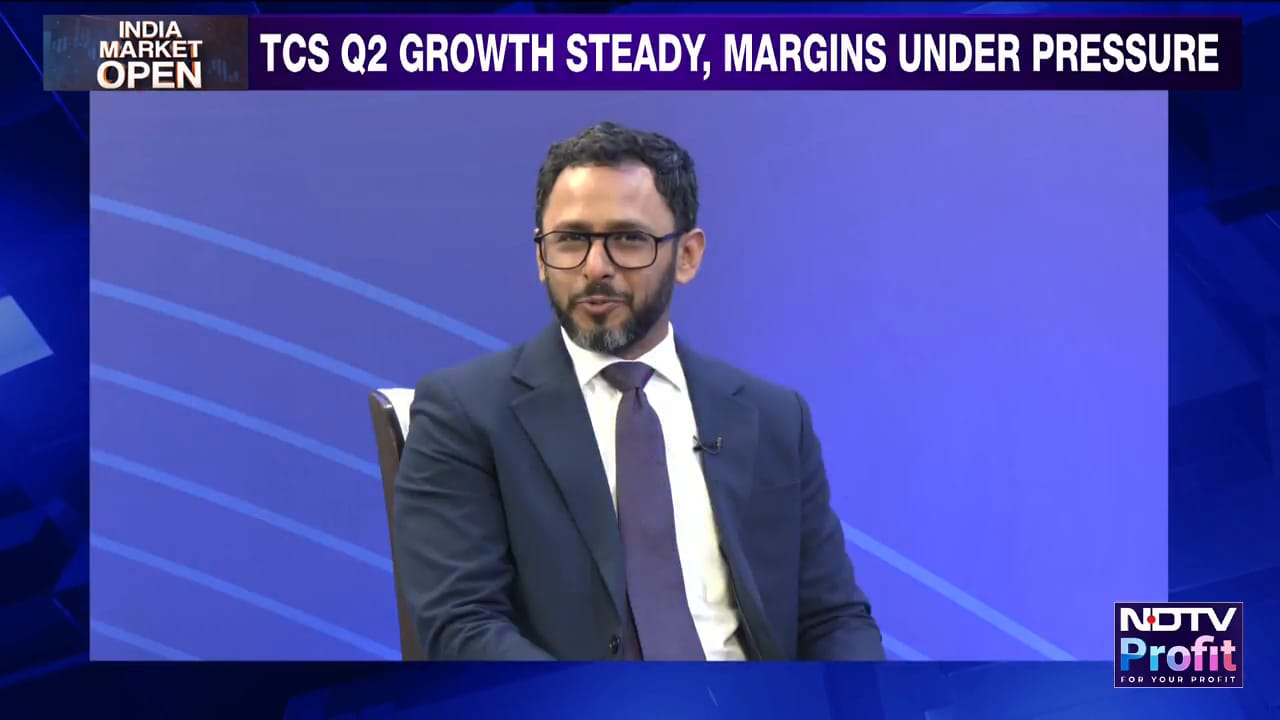
The Strait of Hormuz has long been the world's most closely watched energy chokepoint, especially amid the ongoing US-Iran crisis. Roughly a fifth of global crude supplies pass through the narrow waterway, which links the Persian Gulf to international markets. But Andrew Freris, the CEO at Ecognosis Advisory, believes its strategic importance may be nearing an end.
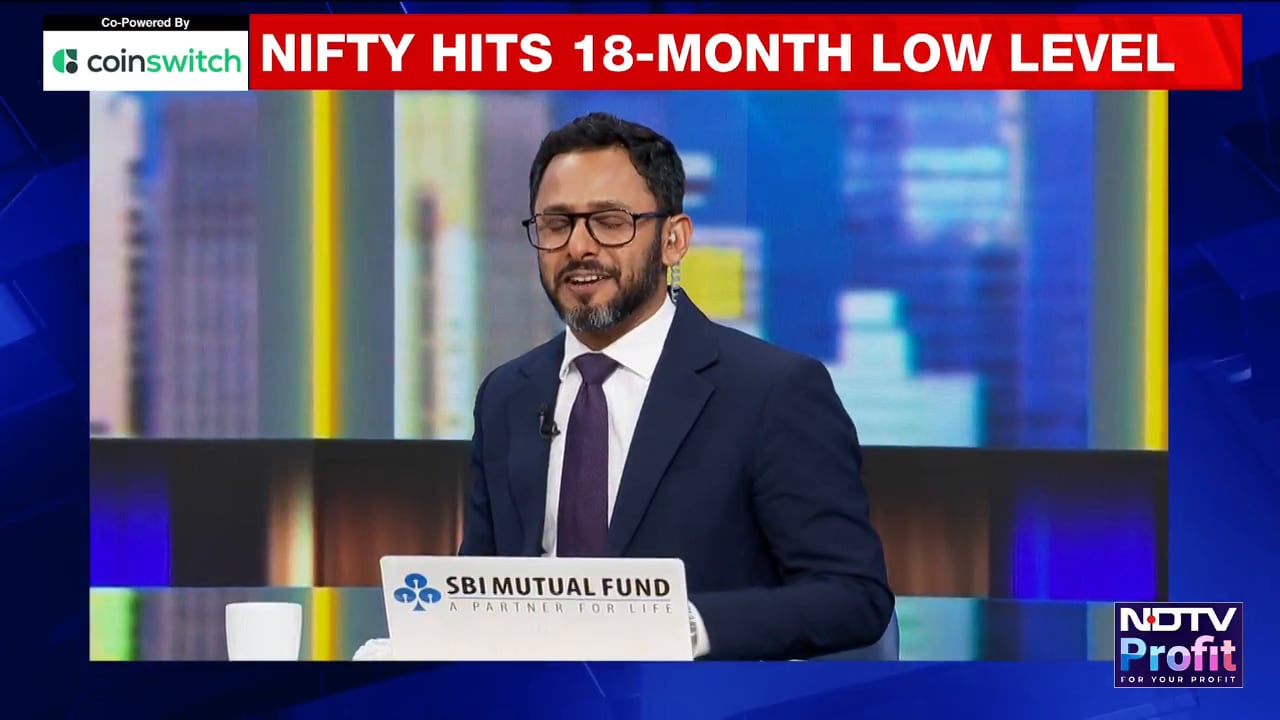
Speaking to NDTV Profit, Freris said the current crisis could accelerate the creation of alternative export routes, making Hormuz “irrelevant in about a year.”
“We will see a substitute to Hormuz in nine months to one year,” he said, arguing that the global energy system is likely to adapt far faster than many investors expect.
Also Read | Layoffs Are Rising In Tech, But These Skills Are Helping People Unlock Better Pay
The remarks come at a time when oil markets remain on edge. Brent crude traded above $110 a barrel on Monday, while West Texas Intermediate approached $107, as uncertainty surrounding the Iran conflict pushed investors toward safe-haven assets and sent US equity futures lower.
US President Donald Trump intensified pressure on Tehran over the weekend. In a Truth Social post, Trump warned: “For Iran, the Clock is Ticking, and they better get moving, FAST, or there won't be anything left of them. TIME IS OF THE ESSENCE!”
He later told Axios that if Iran failed to present a better proposal, “they're going to get hit much harder.” Trump is expected to convene his top national security advisers in the White House Situation Room on Tuesday to discuss military options.
Freris does not expect crude prices to ease meaningfully in the near term, warning that elevated energy costs could complicate the outlook for the Federal Reserve System.
“The Fed can't cut rates if oil prices remain elevated,” he said.
That concern is already showing up in bond markets. The yield on the US 10-year Treasury climbed to 4.62%, while the 30-year yield rose above 5.14%.
Essential Business Intelligence, Sharp Market Insights, Practical Personal Finance Advice, Daily Fuel, Gold and Silver Prices and Latest Stories — On NDTV Profit.