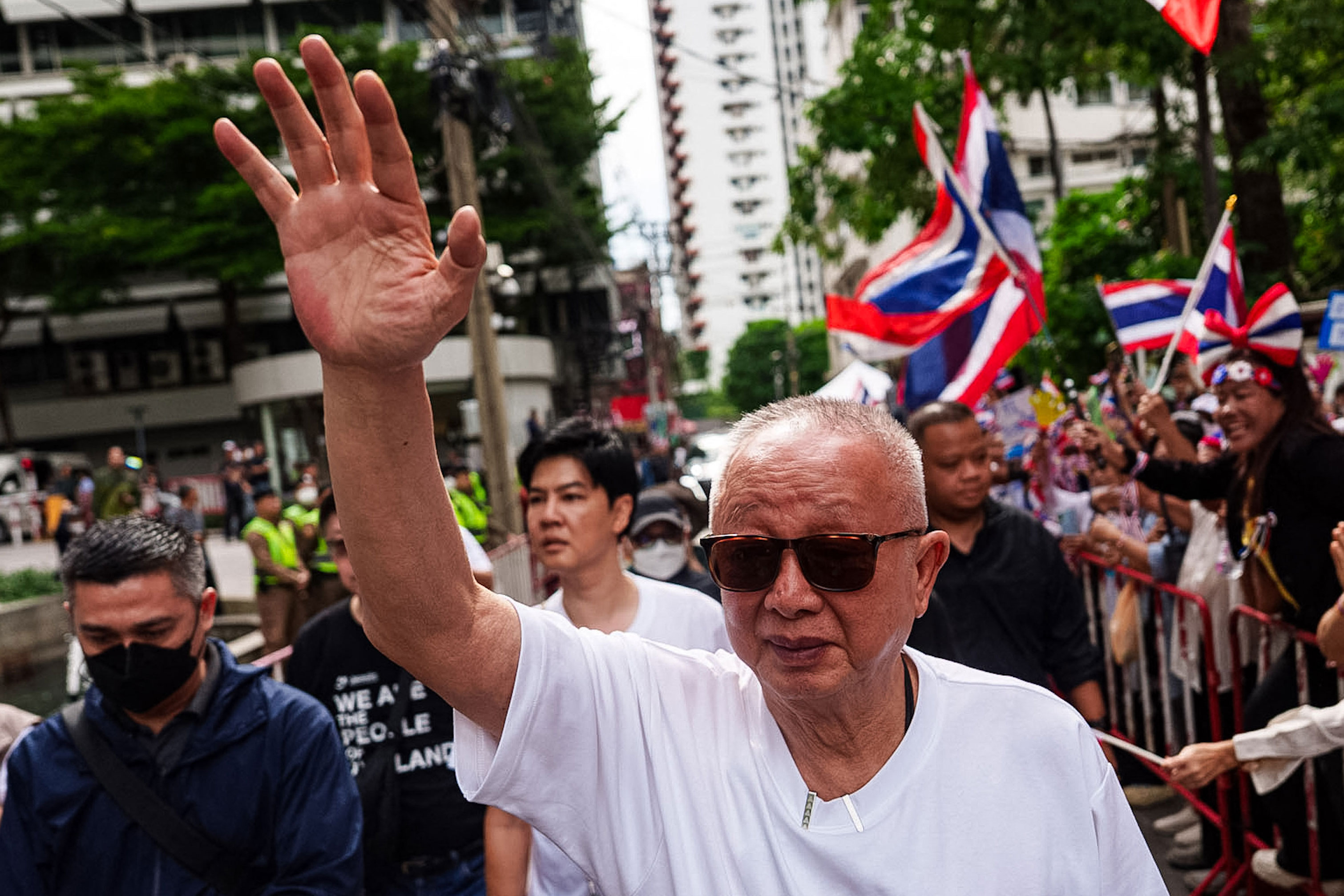
| A Thai protest leader whose mass demonstrations nearly 20 years ago closed the capital's airports and helped oust governments is now focused on Prime Minister Anutin Charnvirakul, and aims to build a political force capable of outlasting him. Sondhi Limthongkul, 78, is launching a campaign called "Take Back Thailand," seeking to harness anger over living costs, corruption, alleged political interference and foreign criminal networks to put sustained pressure on Anutin's government. His immediate goal, he says, isn't to bring it down, but to ensure the administration "can't live in peace" unless it responds to public demands. "I want to mobilize Thais across the country, bring together people who are dissatisfied with the government and pressure it to act," Sondhi told Bloomberg News in his first interview with international media since launching the movement. "I want to give people the tools to demonstrate and question the government." Also Read | Layoffs Are Rising In Tech, But These Skills Are Helping People Unlock Better Pay Sondhi's efforts may not pose an immediate threat to Anutin or herald a return of the mass rallies that paralyzed Bangkok in the 2000s and led to the downfall of then-Prime Minister Thaksin Shinawatra. But they mark the re-emergence of street politics after several years of relative calm and point to discontent building beneath the surface. ALSO READ: Global Chip Giants Commit To R&D, Talent Expansion At PM Modi's Semiconductor Roundtable: Sources Speaking at his Bangkok office, which has become the headquarters of his latest political campaign, Sondhi sat in front of a large painting of himself as he described what he calls his "last mission": create a permanent counterweight to whoever governs Thailand. The usual remedies, Sondhi says, don't work. Forcing out a prime minister just leads to a similar replacement from within the same factions of power. Even amending the constitution, which has happened often, just results in the elites protecting their power structures. That has been the preferred route of the country's top opposition group, the People's Party, which advocates for sweeping political, economic and constitutional reforms. Despite its popularity, the progressive group has never been able to truly gain power. (Sondhi described the party as, in principle, "quite OK.") 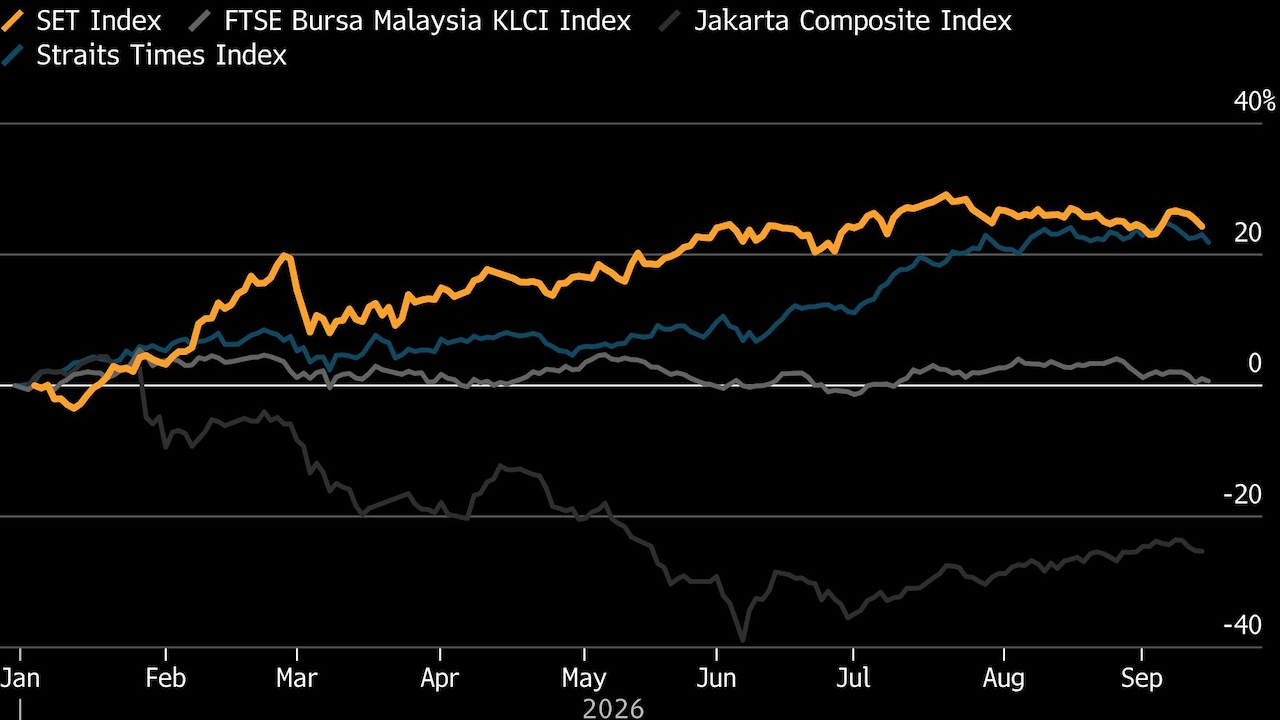 His idea echoes a broader strain of anti-establishment politics elsewhere in Asia, where activists have sought to turn public frustration into movements that endure beyond individual elections or leaders. In India, for instance, the so-called "Cockroach" movement has similarly sought to build a nationwide grassroots network designed to survive political cycles rather than focus on winning a single election. "I want to create bargaining power for the people," he said. "No matter who comes after Anutin, they will have to face us. It's people's power." Taking on disparate issues is part of his strategy: each controversy gives him another opportunity to mobilize supporters and potentially expand the movement beyond his traditional political base. That might not be as effective as his earlier focus on just Thaksin, according to Yuttaporn Issarachai, lecturer at Sukhothai Thammathirat Open University. ALSO READ: Fed Delivers First Rate Hike In Three Years As Kevin Warsh Starts Battling Inflation "The risk of an all-issue movement is that it lacks focus. Sondhi's previous movement had one clear target, Thaksin, and one goal that supporters could rally around," he said. "Many of the issues he is raising now don't directly affect people's livelihoods, making it harder to mobilize them. But if the economy deteriorates and people feel worse off a year from now, that could provide the catalyst for a much broader movement." 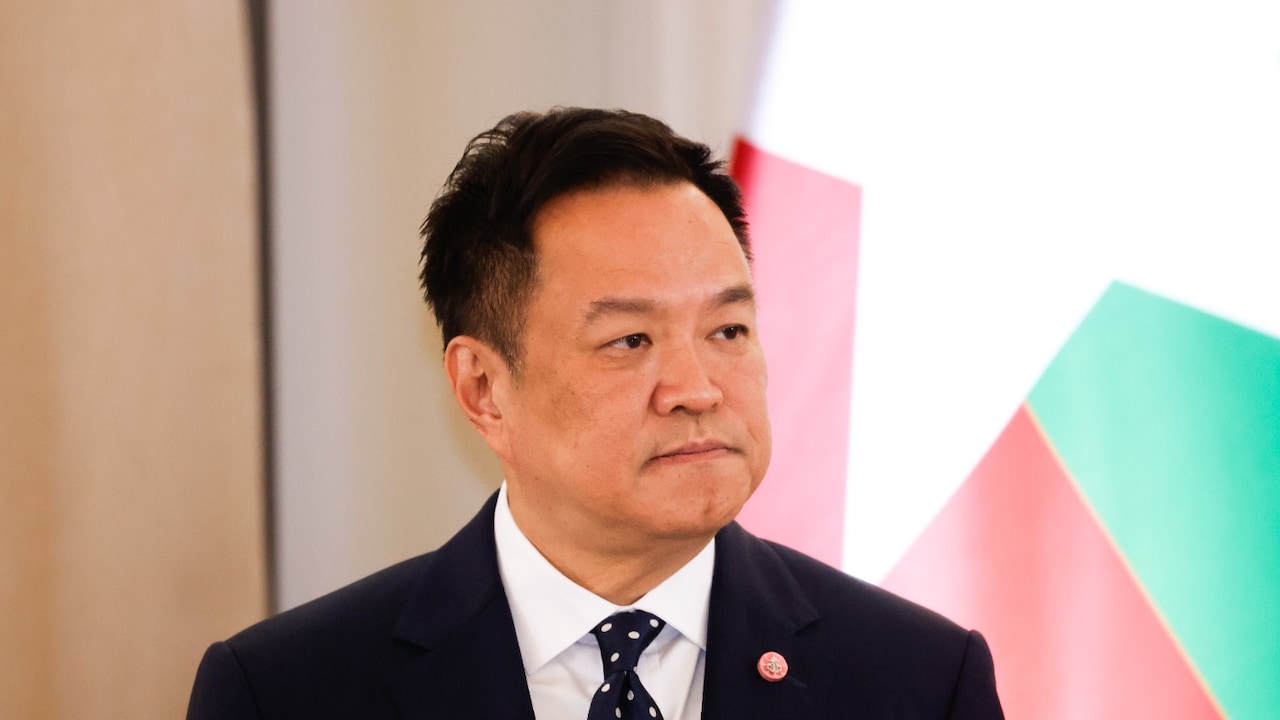 Anutin won a sweeping election victory in February on a promise of stability after years of political discord, helping restore investor confidence and propel Thai stocks into the ranks of the world's best performers this year. Asked on Saturday about Sondhi's movement, Anutin said it could hurt Thai people more than the government. "Does Sondhi want to make people unhappy?" Anutin said. "This administration is determined to work for the Thai people every second of every day. I believe Thai people are still willing to give me a chance and still believe in my government." Sondhi was already one of Thailand's most colorful tycoons before becoming one of its most consequential protest leaders. He built a sprawling publishing business during the country's 1990s boom and fashioned himself as an Asian Rupert Murdoch, only to see his heavily indebted media empire battered by the 1997 financial crisis. Sondhi helped lead the yellow-shirt People's Alliance for Democracy, a royalist movement backed largely by Bangkok's middle class, business elites and conservative establishment that mobilized against Thaksin. The former telecom tycoon, who built a formidable electoral base among rural and working-class Thais, was ousted in a 2006 military coup. In 2008, yellow-shirt protesters occupied Bangkok's two airports, including Suvarnabhumi, the country's main international gateway, shutting it for about a week and stranding about three thousand travelers as they sought to force another Thaksin-aligned government from power. 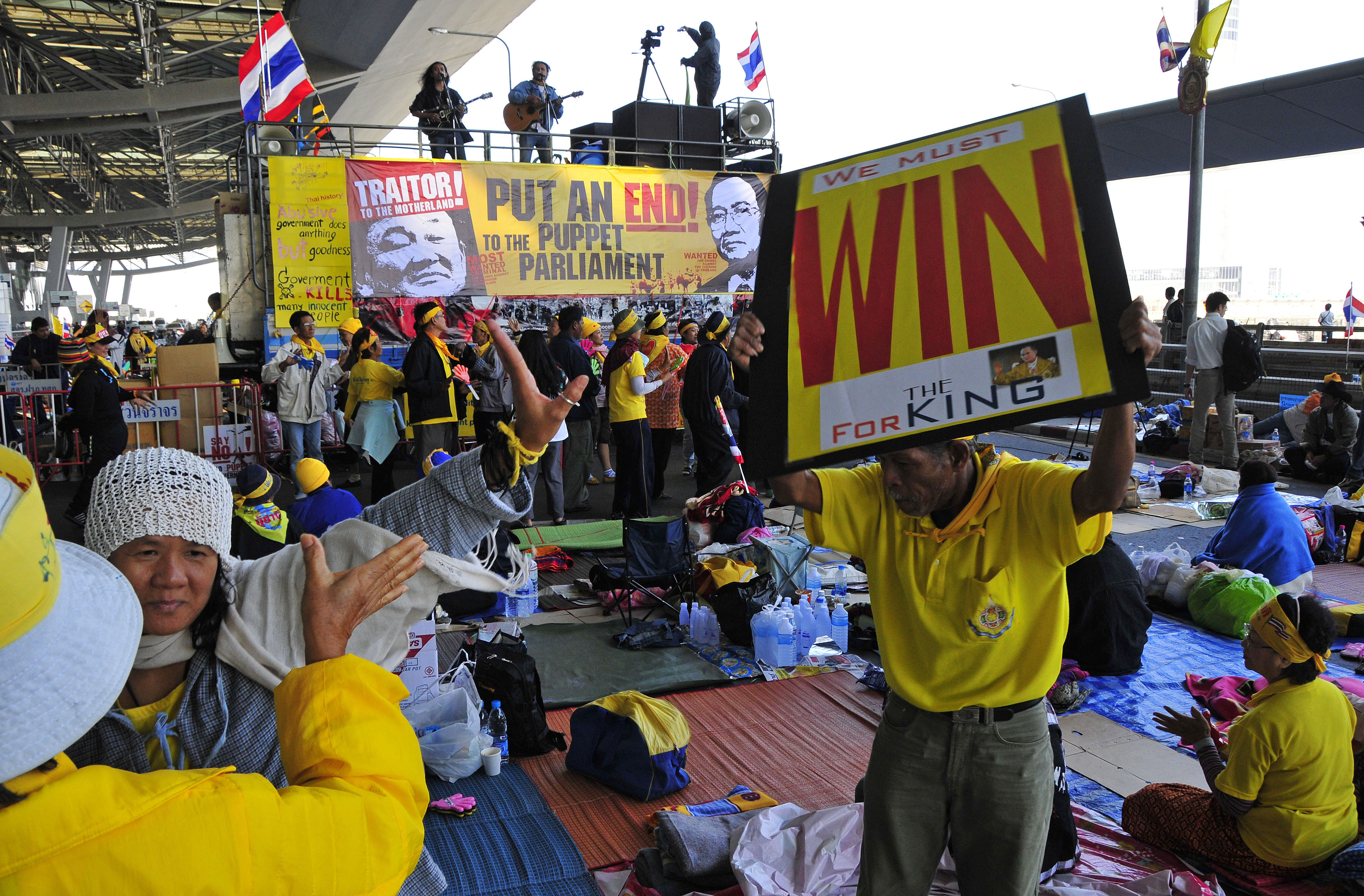
(This story has not been edited by NDTV staff and is auto-generated from a syndicated feed.) Essential Business Intelligence, Sharp Market Insights, Practical Personal Finance Advice, Daily Fuel, Gold and Silver Prices and Latest Stories — On NDTV Profit. News for You
Hello Reader
Sign In / Register
Set as Trusted Source
on Google Search

Listen to the latest songs, only on JioSaavn.com
|