The rules of global conflict are undergoing a radical and expensive shift. In a recent interview with NDTV's Editor-in-Chief, Rahul Kanwal, global affairs analyst Fareed Zakaria highlighted a glaring vulnerability in American military hegemony: the crippling economics of asymmetric warfare.
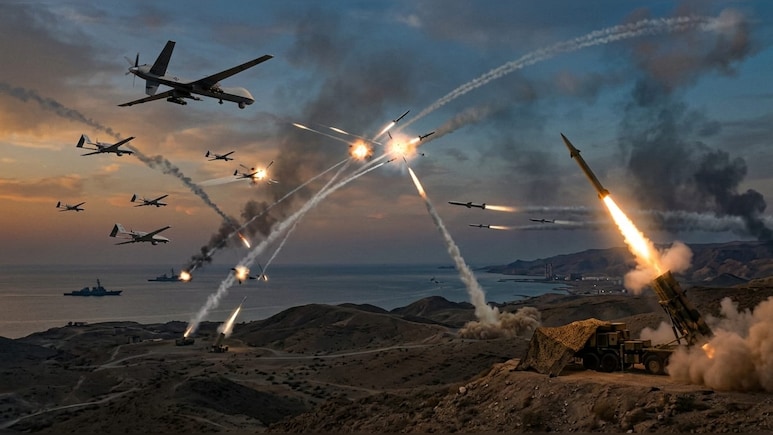
With tensions escalating in the Middle East, traditional superpowers are finding their sophisticated, multimillion-dollar arsenals being challenged by incredibly cheap, off-the-shelf technology. Zakaria points to the tactics used by proxy groups like the Houthis as the definitive "future of warfare."
The core issue lies in the staggering cost disparity between offensive weapons and defensive countermeasures. According to Zakaria, groups are deploying small, highly effective drones that cost anywhere from $5,000 to $15,000. These relatively inexpensive devices are capable of creating massive choke points in vital global trade routes, disrupting international shipping and forcing military intervention.
Also Read | Layoffs Are Rising In Tech, But These Skills Are Helping People Unlock Better Pay
ALSO READ: US-Iran War: What Do Crude Oil Levels Mean For Indian Households — Three Scenarios
To counter these cheap threats, the United States relies on its conventional military might, typically deploying Tomahawk missiles to shoot the drones down. "A Tomahawk missile costs about $2 million," Zakaria noted, adding that the U.S. military often fires two missiles to ensure a single target is neutralised. The resulting math is a logistical and financial nightmare for the Pentagon: spending $4 million to destroy a $15,000 drone.
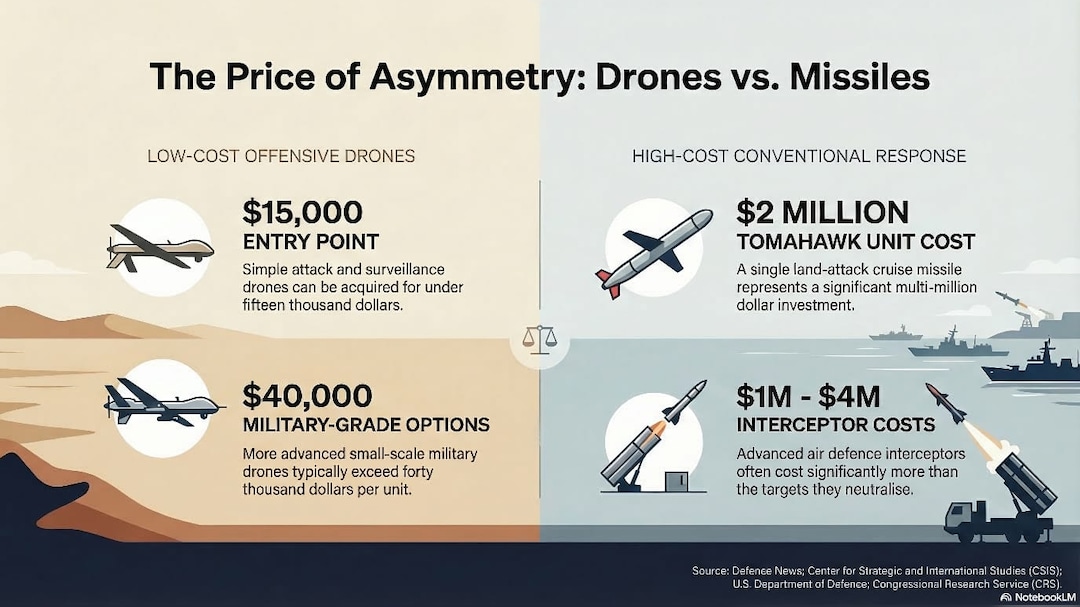
This extreme asymmetry means that smaller actors will always possess the capacity to cause disproportionate trouble. The technological barrier to entry has practically vanished. "You can launch a drone off an iPad, off an iPhone," Zakaria explained. This accessibility allows less-funded groups to continuously harass and deplete the resources of the world's most powerful military without needing traditional military infrastructure.
Ultimately, Zakaria questions the long-term sustainability of the U.S. strategy. When adversaries can launch endless waves of cheap drones using consumer electronics, overpowering them with high-end missiles becomes an unwinnable war of attrition. You cannot completely destroy that capacity "with all the Tomahawks in the world," Zakaria argues. As global power dynamics continue to shift, this harsh economic reality of asymmetric warfare suggests that military dominance can no longer be guaranteed by the size of a defense budget alone.
For the latest on the US-Iran war, follow our LIVE blog.
Watch the full interview here:
Essential Business Intelligence, Sharp Market Insights, Practical Personal Finance Advice, Daily Fuel, Gold and Silver Prices and Latest Stories — On NDTV Profit.