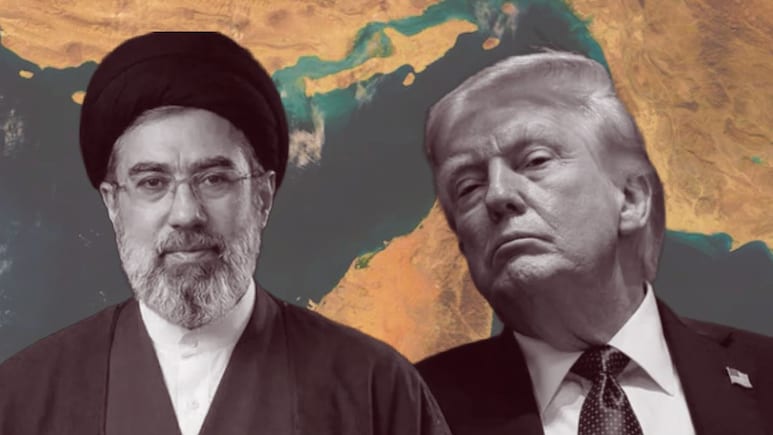
The United States and Iran are inching toward a one-page memorandum of understanding to end their war and establish a framework for broader nuclear negotiations, with Washington expecting Iranian responses on several key points within the next 48 hours, Axios reported on Wednesday, citing two US officials and two other sources briefed on the matter.
The agreement, described as the closest the two sides have come to a deal since the war began, would involve Iran committing to a moratorium on nuclear enrichment, the US agreeing to lift sanctions and release billions in frozen Iranian funds, and both sides easing restrictions on transit through the Strait of Hormuz — the chokepoint whose closure has paralysed roughly 20 per cent of the world's seaborne energy trade since February.
According to Axios, the 14-point MOU is being negotiated between Trump envoys Steve Witkoff and Jared Kushner and several Iranian officials, both directly and through mediators, with talks potentially moving to Islamabad or Geneva. The document would declare an end to hostilities and trigger a 30-day negotiating window on a detailed agreement covering the strait, Iran's nuclear programme, and sanctions relief. Iran's shipping restrictions and the US naval blockade would be gradually lifted during that period. If talks collapse, the US would retain the right to restore the blockade or resume military action.
Also Read | Layoffs Are Rising In Tech, But These Skills Are Helping People Unlock Better Pay
Point Of Discord
The central sticking point remains the duration of the enrichment moratorium. Iran proposed five years; the US demanded 20. Axios reported that three sources put the likely landing spot at 12 years, with one source suggesting 15. Under the framework, Iran would be permitted to enrich uranium to 3.67 per cent after the moratorium expires.
Tehran would also commit to never seeking a nuclear weapon, accept snap inspections by UN inspectors, and agree not to operate underground nuclear facilities. Two sources told Axios that Iran had also agreed to remove its highly enriched uranium from the country — a key US demand Tehran had previously rejected outright, with one option being transfer of the material to the United States.
Secretary of State Marco Rubio said Tuesday that "we don't have to have the actual agreement written in one day," while cautioning that the situation remained "highly complex and technical." He also called some Iranian leaders "insane in the brain" — a sign, Axios noted, that even as talks advance, scepticism within the administration runs deep.
The White House, the report noted, believes the Iranian leadership remains divided, making consensus across competing factions difficult to forge.
Essential Business Intelligence, Sharp Market Insights, Practical Personal Finance Advice, Daily Fuel, Gold and Silver Prices and Latest Stories — On NDTV Profit.