The US was waiting on Iran's response to its latest proposal to end the war after suggesting word could come imminently, following clashes in the Strait of Hormuz that strained a month-long ceasefire.
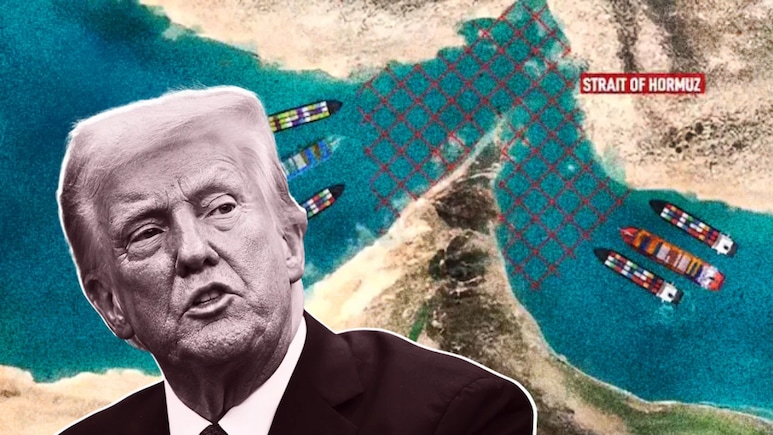
Iran has still given no indication whether it will accept President Donald Trump's plan, sent on Wednesday, which proposes that the Islamic Republic reopen the waterway and the US end a blockade on Iranian ports over the next month.
Tehran's response is "under review," Foreign Ministry Spokesman Esmail Baghaei told the semi-official Tasnim news agency, without giving a timeline.
Also Read | Layoffs Are Rising In Tech, But These Skills Are Helping People Unlock Better Pay
Trump told reporters at the White House late Friday he was still expecting a response "tonight." Asked if Iran was intentionally slow-rolling the process, he said "we'll find out soon enough."
"We'll go a different route if everything doesn't get signed up, buttoned up," he said. "We may go back to Project Freedom if things don't happen," he added, referring to the brief US effort to break Iran's maritime stranglehold and escort ships through the strait, "but it'll be Project Freedom Plus, meaning Project Freedom plus other things."
The one-page proposal implies Iran's acceptance would end the 10-week war, which has killed thousands of people across the Middle East and sent energy prices soaring, even though the two sides would still need to negotiate a deal over Iran's nuclear program.
The new push reflects a change in Trump's approach to ending the war - making the opening the strait a higher priority than the thorny negotiations over Iran's nuclear program. The strait has become a far more pressing issue than the Islamic Republic's enriched uranium.
Oil edged higher, with investors weighing whether renewed clashes would derail the fragile ceasefire. Global benchmark Brent crude settled around $101 a barrel, but still notched a weekly drop of about 6%.
US Vice President JD Vance met with the Qatari prime minister on Friday to discuss bilateral relations and the situation in Iran, as well as regional security and stability, according to a Qatari readout of the meeting. The pair also discussed liquefied natural gas markets, according to a person familiar with the matter.
The White House and vice president's office didn't immediately respond to requests for comment.
Qatar has served as a regional mediator between the US and Iran. Axios reported earlier on the meeting.
Trump faces intense domestic and international pressure to end the war, with Americans increasingly opposed to it and frustrated by soaring gasoline prices. China is among the powers amplifying calls for an immediate reopening of the strait and an end to hostilities, ahead of a scheduled summit between President Xi Jinping and Trump in Beijing next week.
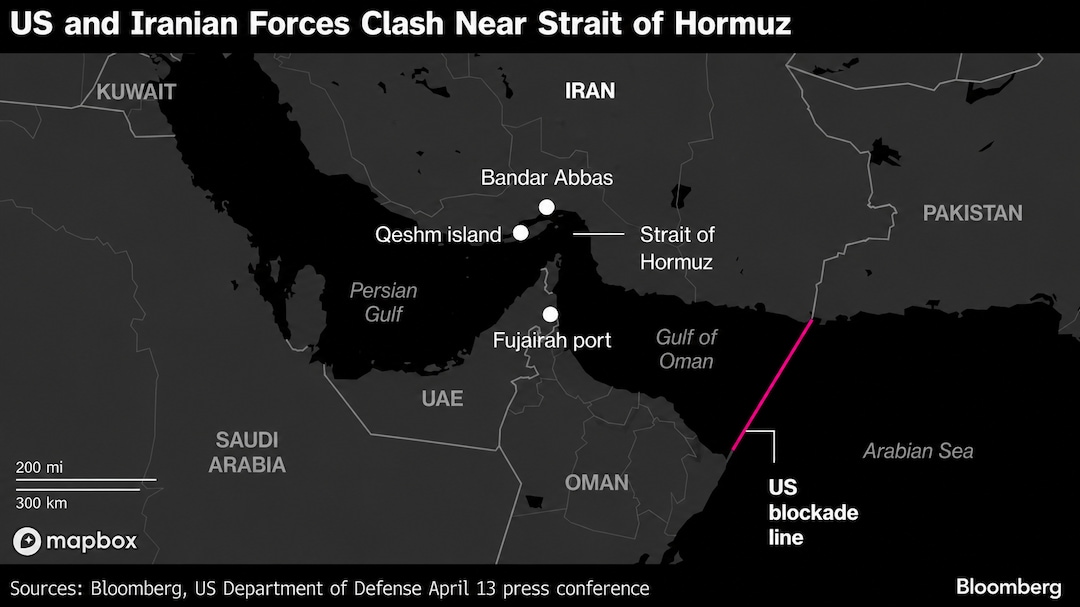
Tensions worsened after clashes in the strait, with US forces executing airstrikes on two empty Iranian oil tankers. They were trying to break the blockade and enter one of the country's ports, US Central Command said on Friday.
Iran said the action had violated the ceasefire agreement.
The skirmishes highlight "the confusion and inability of the ruling authorities in the United States to properly understand the situation and find a reasonable solution to exit their self-created impasse," Iran's foreign ministry posted on social media.
Trump has threatened more intense strikes if Iran refuses his terms. Iran effectively shut the Strait of Hormuz, through which about a fifth of the world's oil and liquefied natural gas typically flows, after the war erupted with US and Israeli strikes in late February.
(This story has not been edited by NDTV staff and is auto-generated from a syndicated feed.)
Essential Business Intelligence, Sharp Market Insights, Practical Personal Finance Advice, Daily Fuel, Gold and Silver Prices and Latest Stories — On NDTV Profit.