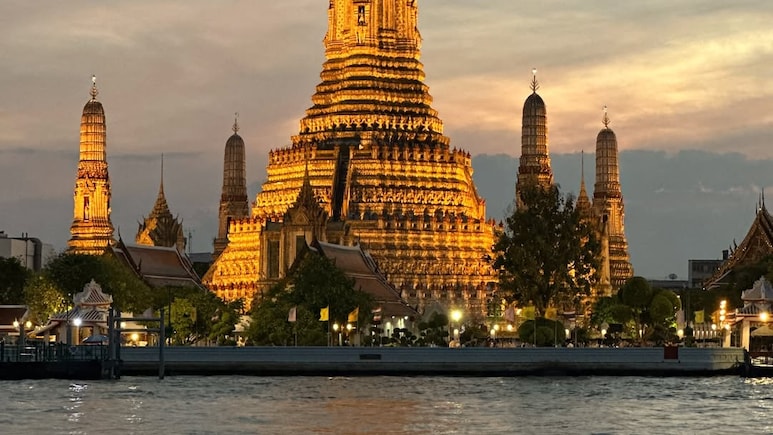
Thailand has rolled out a new long-term visa programme aimed at attracting digital nomads, remote workers, freelancers and wellness travellers, offering eligible foreigners, including Indians, the opportunity to stay in the country for up to five years.
Called the Destination Thailand Visa (DTV), the multiple-entry visa is part of Thailand's broader push to position itself as a global hub for remote work, cultural tourism and long-stay travel.
Unlike a conventional tourist visa, the DTV is designed for travellers looking to spend extended periods in Thailand while working remotely for overseas employers, joining training programmes, or participating in cultural and wellness activities.
Also Read | Layoffs Are Rising In Tech, But These Skills Are Helping People Unlock Better Pay
The visa allows holders to remain in Thailand for up to 180 days per entry, with an option to extend the stay by another 180 days. Since the visa is multiple-entry and valid for five years, travellers can leave and re-enter the country several times during that period.
ALSO READ | Vietnam Overtakes Thailand As Indian Travellers Rethink Asia Travel Plans
Who Can Apply?
Thailand has opened the DTV to citizens of eligible countries, including India. The programme broadly caters to:
- Digital nomads and remote workers
- Freelancers serving overseas clients
- Entrepreneurs running foreign businesses
- Participants in long-term courses or training programmes
- Wellness and medical tourists
- Individuals joining Thai cultural activities
However, visa holders are not permitted to work for Thai-registered companies unless they obtain a separate Thai work permit.
Thailand's ‘Soft Power' Push
One of the most distinctive aspects of the DTV is Thailand's inclusion of “soft power” activities as an eligibility category.
Instead of limiting the programme to remote professionals, Thailand has expanded access to applicants enrolling in cultural, wellness and lifestyle-based programmes intended to promote Thai tourism and culture internationally.
Eligible activities include:
- Muay Thai training camps
- Thai cooking schools
- Sports and fitness academies
- Wellness retreats and medical programmes
- Cultural workshops and learning courses
- Selected conferences and organised events
This means travellers could potentially qualify for the visa through participation in long-term programmes such as Muay Thai training in Phuket or culinary courses in Bangkok.
Financial Requirements
Applicants must demonstrate financial stability as part of the application process.
Thai authorities generally require proof of at least 500,000 Thai Baht in liquid assets, roughly equivalent to Rs 14-15 lakh, depending on currency movements.
Acceptable financial documents may include:
- Bank statements from the past three to six months.Salary slips or proof of regular income
- Employment contracts
- Savings certificates or fixed deposits
Authorities usually require official bank-issued documents, while cryptocurrency holdings, stock portfolios and credit limits are generally not accepted as proof of funds.
Documents Typically Required
While documentation requirements can vary by embassy or visa centre, applicants are commonly asked to submit:
A passport with at least six months' validity
- Passport-sized photographs
- Financial statements or income proof
- Remote work or overseas employment documents
- Accommodation details in Thailand
- Health insurance papers
- Supporting documents for courses or programmes
- Police clearance certificate in certain cases
Applicants enrolling in wellness retreats, Muay Thai camps or culinary schools may also need invitation letters or enrolment confirmations.
ALSO READ | Phuket Mystery Deepens After Indian Tourists Lose Consciousness Back-To-Back; One Dies
How To Apply
Applications can usually be submitted through Thailand's e-visa platform or authorised visa service providers such as BLS centres in India.
The process generally involves:
- Confirming eligibility criteria
- Gathering supporting documents
- Submitting the application online or through authorised centres
- Paying the visa fee, which is currently around Rs 25,000 for Indian applicants
- Attending a document verification appointment, if required
- Waiting for processing, which may take anywhere from a few days to over a week
What Happens After Arrival?
After arriving in Thailand, visa holders may need to comply with immigration procedures such as TM30 residence reporting.
Travellers wishing to stay beyond the initial 180-day period can apply for an extension for an additional fee of approximately 1,900 Thai Baht.
Essential Business Intelligence, Sharp Market Insights, Practical Personal Finance Advice, Daily Fuel, Gold and Silver Prices and Latest Stories — On NDTV Profit.