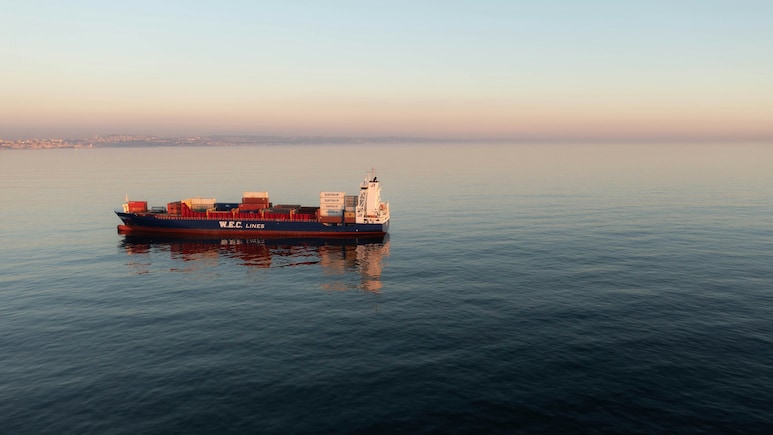
The fragile ceasefire in the Iran war came under renewed pressure on Sunday after a drone strike triggered a small fire aboard a cargo vessel off Qatar's coast, while the United Arab Emirates and Kuwait reported separate drone incursions into their airspace, according to reports.
The UAE accused Iran of being behind the latest attack, raising fresh concerns over the stability of the month-old truce that the Trump administration insists remains intact.
No casualties were reported in the incident, and no group immediately claimed responsibility.
Also Read | Layoffs Are Rising In Tech, But These Skills Are Helping People Unlock Better Pay
Iran and its allied armed groups are known to operate an extensive drone network and have carried out hundreds of strikes since the conflict erupted.
The latest incidents add to growing tensions surrounding the ceasefire, already strained by Iran's restrictions on shipping through the Strait of Hormuz and the US blockade on Iranian ports.
Washington is currently awaiting Tehran's response to a proposed agreement aimed at ending the conflict, restoring commercial traffic through the strategic Strait of Hormuz, and curbing Iran's nuclear programme.
US President Donald Trump has repeatedly warned that the US could resume large-scale airstrikes if Iran refuses to reopen the key shipping lane and scale back its nuclear activities.
Iran has largely restricted movement through the Strait since the joint US-Israeli strikes of February 28 that triggered the war.
The conflict has since fuelled a surge in global oil prices and shaken international markets.
A major sticking point in the negotiations remains Iran's stockpile of highly enriched uranium.
According to the UN nuclear watchdog, Iran possesses more than 440 kilograms of uranium enriched to 60 per cent purity — a level considered technically close to weapons-grade material.
Essential Business Intelligence, Sharp Market Insights, Practical Personal Finance Advice, Daily Fuel, Gold and Silver Prices and Latest Stories — On NDTV Profit.