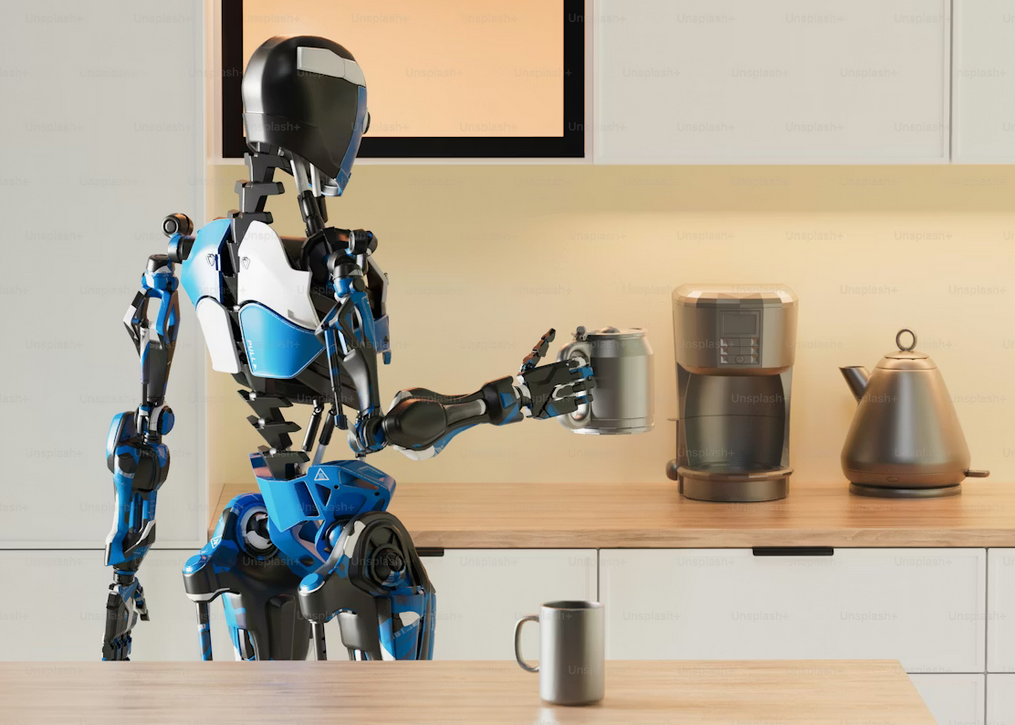
Japan is facing a crisis hiding in plain sight. Its population is ageing at a pace the world has never seen, its birth rate is falling off a cliff, and millions of jobs are going unfilled. The country's answer? Build more robots.
In 2024, the number of people aged 65 or older in Japan hit a record 36.25 million — nearly 29% of the entire population. And the trend is only heading one way. Japan's fertility rate dropped to a historic low of 1.15 in 2024 — about 12 years ahead of what government forecasters had predicted. Fewer babies mean fewer workers. Fewer workers mean a shrinking economy. It is a slow-motion emergency, and Tokyo knows it.
ALSO READ: Chips Are More Prone To Disruptions | The Reason Why
Also Read | Layoffs Are Rising In Tech, But These Skills Are Helping People Unlock Better Pay
Reports estimate Japan will face a shortage of 11 million workers by 2040, as nearly 30% of the population will be over 65. The country has tried to plug the gap with women and older workers, but that well is running dry too. Immigration, a ready fix elsewhere in the world, remains politically toxic in Japan.
So, the robots are stepping in — literally. A 150kg humanoid robot called AIREC can roll a patient onto their side, help them put on socks, and even cook scrambled eggs. In hospitals and nursing homes, where the crisis bites hardest, machines are being asked to do what human hands once did.
The numbers explain the urgency. By 2025, over 17.5% of Japan's population was aged 75 or older, while the nursing sector had just one job applicant for every 4.25 vacancies. By 2040, Japan expects a shortage of 5,70,000 care workers.
It is not just hospitals. Convenience stores, which once prided themselves on round-the-clock service, are now struggling — only 87% remain open 24 hours, compared to 92% in 2019, as they scramble to find staff. Even food deliveries have been rerouted. A major confectionery company has switched from trucks to trains because there are simply not enough drivers.
Japan, to its credit, has long been ahead of this curve. Japanese firms like FANUC, Kawasaki and Yaskawa Electric led global robotics development for decades, and at one point Japan accounted for 5,00,000 of the 7,00,000 industrial robots operating worldwide.
ALSO READ: India Needs '5-10 Year Bear Market' For Real Growth, Says Shankar Sharma; Explains Why
Japan's Ministry of Economy, Trade and Industry projects the care robotics market alone will reach $3.8 billion by 2035.
The rest of the world is watching closely. As South Korea, China and Germany face their own demographic cliffs, what Japan builds today may be what everyone else buys tomorrow. The age of the robot caregiver is no longer science fiction, it is Japanese government policy.
Essential Business Intelligence, Sharp Market Insights, Practical Personal Finance Advice, Daily Fuel, Gold and Silver Prices and Latest Stories — On NDTV Profit.