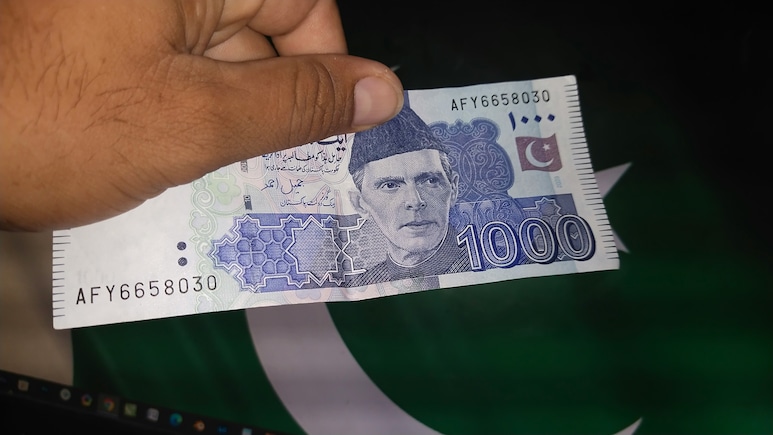
Pakistan's fragile economy is coming under renewed strain as the fallout from the Iran war feeds into domestic inflation, now at a 17-month high, while fuel prices have surged sharply in line with global oil trends.
Islamabad is moving to pass on the rising cost of petroleum products to consumers, in line with commitments under its ongoing International Monetary Fund (IMF) programme, signalling limited room for subsidies even as public pressure mounts.
The spike in fuel costs—reportedly nearing a quarter increase—comes amid a broader global energy shock triggered by the conflict, which has disrupted key supply routes and pushed crude prices higher. The price of gas, a fuel used widely for cooking purpose, has jumped by 23%, whereas petrol and electricity rates have risen by around 18% and 14% year-on-year, reports said.
Also Read | Layoffs Are Rising In Tech, But These Skills Are Helping People Unlock Better Pay
Pakistan, heavily reliant on imported energy, has been particularly exposed. The near-blockade of the Strait of Hormuz—a critical oil transit chokepoint—has intensified supply concerns and driven up import bills, adding to inflationary pressures across the economy.
Under its IMF-backed reform programme, the government is required to maintain fiscal discipline, including limiting fuel subsidies and allowing market-driven pricing. Officials have indicated that this could mean more frequent price revisions, reflecting heightened volatility in global oil markets.
The IMF has already cautioned that prolonged high energy prices due to the Iran conflict could push inflation higher and weigh on economic growth globally. “If prolonged, higher energy prices will lead to higher headline inflation,” IMF spokesperson Julie Kozack said, underlining the broader risks.
Also Read: Peace Looks Distant As Trump Says Iran War To Go On For Three Weeks, Markets Panic
For households in Pakistan, the impact is already visible. Transport costs have surged, with petrol and diesel prices rising by around Rs 55 per litre in recent weeks, squeezing disposable incomes and adding to the cost of living burden.
Even as the government explores limited relief measures—such as seeking IMF approval to cut fuel levies—the scope for intervention remains constrained under the bailout framework.
With global energy markets still on edge and the conflict showing no immediate signs of resolution, economists warn that inflationary pressures in Pakistan could persist in the near term, complicating the country's already delicate economic recovery.
Essential Business Intelligence, Sharp Market Insights, Practical Personal Finance Advice, Daily Fuel, Gold and Silver Prices and Latest Stories — On NDTV Profit.