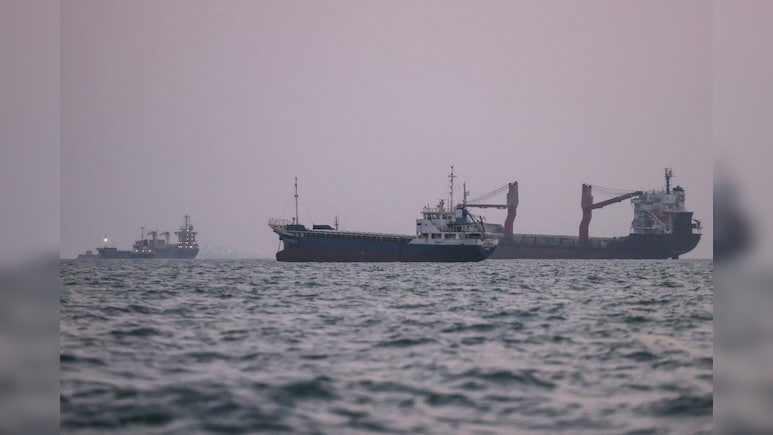
| Iran and the US carried out what appeared to be their largest tit-for-tat tanker strikes yet over the weekend, pushing oil prices higher as both nations continue to escalate a six-month war that has disrupted shipping and stoked global inflation. Iran said it hit three US-linked ships taking an unauthorized route through the Strait of Hormuz in retaliation for American attacks on Iranian tankers over the weekend. The US military earlier said it struck three Iranian crude tankers, one of which was destroyed, in response to the Islamic Revolutionary Guard Corps targeting two US Navy warships with ballistic missiles. Brent crude climbed 0.4% after the strikes on the tankers. The US began attacking Iranian tankers last week under a new policy from President Donald Trump aimed at deterring Tehran from attacking commercial shipping, Axios had reported, citing US officials it didn't name. ALSO READ: US, Iran Locked In Fresh Counter Strikes After Vessel Attacks Off Hormuz And Kharg Island Also Read | Layoffs Are Rising In Tech, But These Skills Are Helping People Unlock Better Pay The latest strikes suggest both sides are digging in for a long fight, betting they can outlast the other despite growing signs of economic distress in Iran, depleted munitions stockpiles and waning public support in the US. Energy Secretary Chris Wright signaled there would be no letup in the American naval presence, which includes a sea blockade to stymie Iranian oil exports and help ensure safe passage for other commercial ships through the strait. "It shouldn't be just the United States' responsibility, but until Iran changes their position or changes their government, we will have to deal with them," he said Sunday on CNN's State of the Union, without identifying any countries that might join the operation. Mohammad Bagher Ghalibaf, the speaker of Iran's parliament and lead negotiator in previous ceasefire talks, on Sunday warned the era of "proportionate responses" was over. The US "must understand before it is too late that the rules of the game have changed," he said, according to a Telegram post. "From now on, any aggression against Iran's interests and security will receive a faster, heavier and more painful response." Mohsen Rezaee, Iran's top security official, said a new restricted zone will be declared outside the Strait of Hormuz in the coming days, Press TV reported. The zone "will begin from the US Navy's blockade line and extend into parts of the Persian Gulf," he was cited as saying. 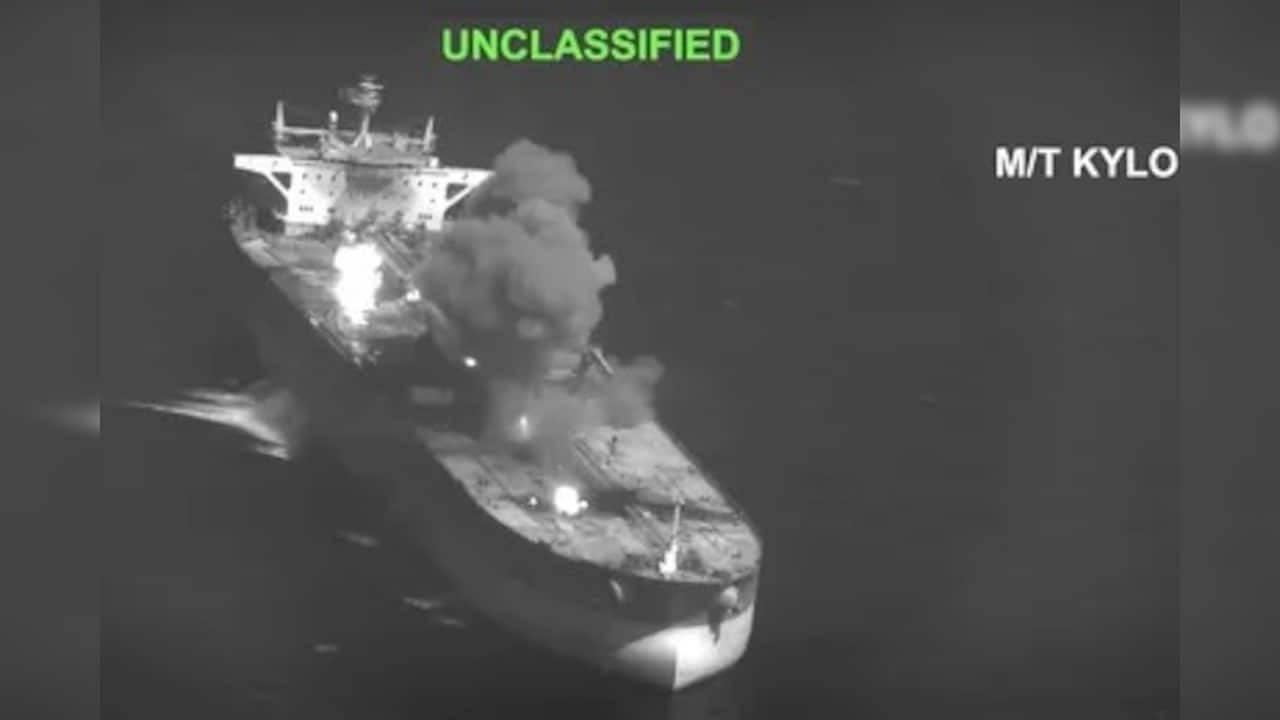 There was no immediate independent corroboration of further attacks around the waterway, a chokepoint for global energy shipments whose fate has become key to any US-Iran peace agreement. The IRGC Navy gave no further details about the strikes, nor did its Telegram post late Saturday specify whether the vessels were hit. The IRGC later said it also attacked a US naval drone and an American military unmanned surface vessel attempting to enter the strait. Observable traffic through the Strait of Hormuz, which links the Persian Gulf to the Gulf of Oman, remained sparse, with only one commodity vessel crossing on Saturday, Kpler data show. Trump has said he wants to "strangle" Iran's economy as he's struggled to end the war, which has led to the deaths of 18 US service members. On Friday, he called the conflict "small potatoes," while Vice President JD Vance said he "wouldn't call it a war" at all. Polls show Americans are giving Trump poor marks for his handling of the war, which sent energy prices higher and put Republicans at risk of losing control of Congress in November's midterm elections. US Central Command said Saturday that one of the tankers it struck, the Suezmax-sized Kylo, had sunk in the Gulf of Oman. It also said the Stark I had been disabled in the Gulf of Oman, as had the very large crude carrier Downy in the Persian Gulf near Kharg Island, Iran's oil export hub. Central Command said Kylo's crew was told to abandon the vessel before the strike. Shipping data suggest Kylo wasn't carrying crude oil when struck. ALSO READ: Hormuz, Missiles, Cyberattacks: How Iran Is Gaining Leverage In US War: Report The IRGC Navy in its post repeated a warning to vessels not to use routes through the waterway that it doesn't authorize. |
(This story has not been edited by NDTV staff and is auto-generated from a syndicated feed.)
Essential Business Intelligence, Sharp Market Insights, Practical Personal Finance Advice, Daily Fuel, Gold and Silver Prices and Latest Stories — On NDTV Profit.