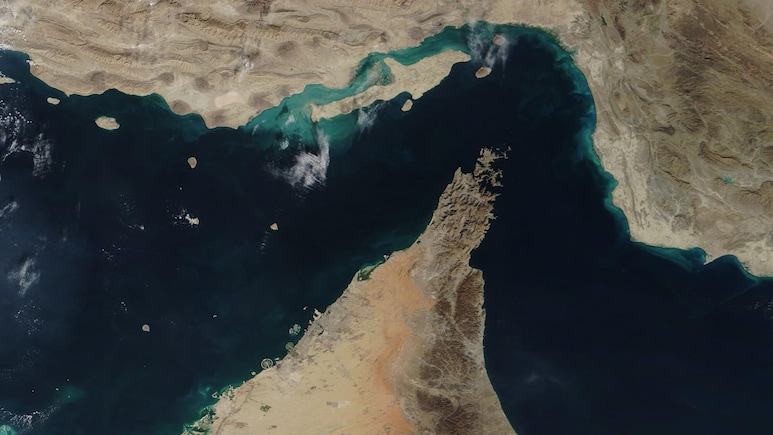
The United States has raised fresh alarm over what it describes as Iran's “tollbooth” system in the Strait of Hormuz, warning that ships making payments for safe passage could face sanctions.
According to The Wall Street Journal, vessels continuing to transit the chokepoint are navigating a tightly controlled regime of routes, permissions, and fees, dubbed the “Tehran Tollbooth” by industry players. The system emerged after Iran asserted control over the waterway following US and Israeli strikes on February 28, significantly curbing normal maritime traffic.
The U.S. Office of Foreign Assets Control (OFAC) said in an alert that both US and non-US entities risk penalties if they comply with Iranian demands for transit payments.
Also Read | Layoffs Are Rising In Tech, But These Skills Are Helping People Unlock Better Pay
“OFAC is issuing this alert to warn US and non-US persons about the sanctions risks of making these payments to, or soliciting guarantees from, the Iranian regime for safe passage,” the agency said, adding that “these risks exist regardless of payment method.”
ALSO READ: Iran's New 14-Point Counter Proposal To US: How It Differs From Earlier Demands — Explained
As reported by the New York Post, Iran has at times offered ships safe passage via alternative routes closer to its coastline, with fees reportedly reaching up to $2 million per vessel. The move comes as Tehran limits crossings to a small number of ships per day under a ceasefire arrangement, even as Washington insists the strait must remain fully open.
The US has identified at least five key payment mechanisms being used or solicited under this system:
- Direct cash transfers
- Digital assets, including cryptocurrencies
- Offsets and informal financial swaps
- In-kind payments, such as goods or services
- Indirect transfers, including charitable donations or payments routed through Iranian embassies
ALSO READ: US-Iran War Ceasefire: Trump 'Not Satisfied', Mulls 'Blast Or Make Deal' With Iran
The warning comes amid an ongoing US naval blockade aimed at restricting Iran's oil exports and countering its control over the waterway, through which roughly a fifth of global oil and gas trade passes in normal times.
The Post reported that Washington has made clear that any attempt by Tehran to monetise transit through the strait could trigger strict enforcement, with past Treasury guidelines indicating penalties of up to $1 million and 20 years in prison for sanctions violations.
Essential Business Intelligence, Sharp Market Insights, Practical Personal Finance Advice, Daily Fuel, Gold and Silver Prices and Latest Stories — On NDTV Profit.