- Iran plans legislation to charge fees for vessels transiting the Strait of Hormuz
- The bill seeks payments for ships using the key global energy shipping route
- Proposal aims to tax countries benefiting from Iran's maritime security
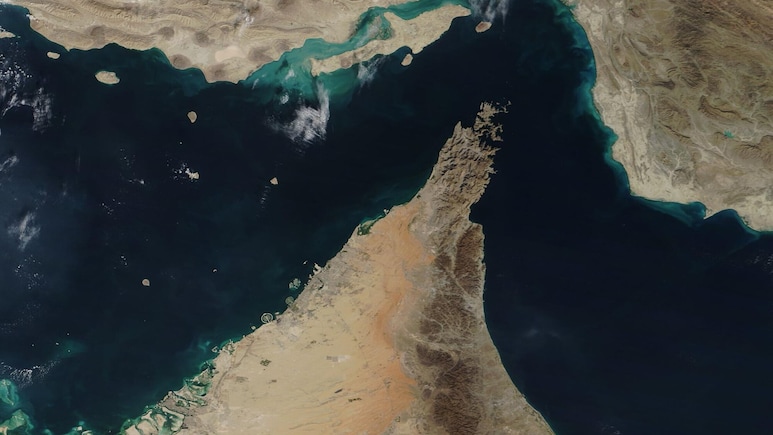
Iran is considering a new legislation that would require countries to pay fees for vessels transiting the strategically vital Strait of Hormuz, Iranian media reported on Thursday.
According to the semi-official Iranian Students' News Agency (ISNA), a draft bill proposes imposing tolls on ships using the critical maritime corridor — one of the world's most important routes for global energy supplies.
Local media, citing a lawmaker in Tehran, said the proposal aims to mandate payments and taxes to Iran for using the strait as a “safe passage” for shipping, energy transport, and food supply chains.
Also Read | Layoffs Are Rising In Tech, But These Skills Are Helping People Unlock Better Pay
Also Read | Iran Attack Knocks Out 17% of Qatar LNG Capacity; Repairs May Take Up To 5 Years: QatarEnergy CEO
“Countries benefiting from the security of maritime transit through the strait should pay fees and taxes to Iran,” the Iranian lawmaker was quoted as saying.
The move comes amid a sharp escalation in regional tensions following a joint military offensive by the United States and Israel against Iran on Feb. 28.
An adviser to Iran's supreme leader said “a new regime for the Strait of Hormuz” will follow the war's eventual end, allowing Tehran to impose maritime restrictions on states that have sanctioned it.
“By using the strategic position of the Strait of Hormuz, we can sanction the West and prevent their ships from passing through this waterway,” Mohammad Mokhber said on Thursday, according to Mehr News Agency.
Also Read | WHO Sounds Alarm Over 'Worst-Case Scenario Nuclear Incident' Amid US-Israel And Iran War
Iran has since responded with drone and missile strikes across the region and has effectively closed the Strait of Hormuz — a crucial oil transit chokepoint that typically carries around 20 million barrels per day and roughly 20% of global liquefied natural gas trade — severely disrupting global energy markets.
Analysts warn that any move to formalise transit fees, coupled with ongoing disruptions, could further strain global supply chains and increase volatility in oil and gas prices.
Essential Business Intelligence, Sharp Market Insights, Practical Personal Finance Advice, Daily Fuel, Gold and Silver Prices and Latest Stories — On NDTV Profit.